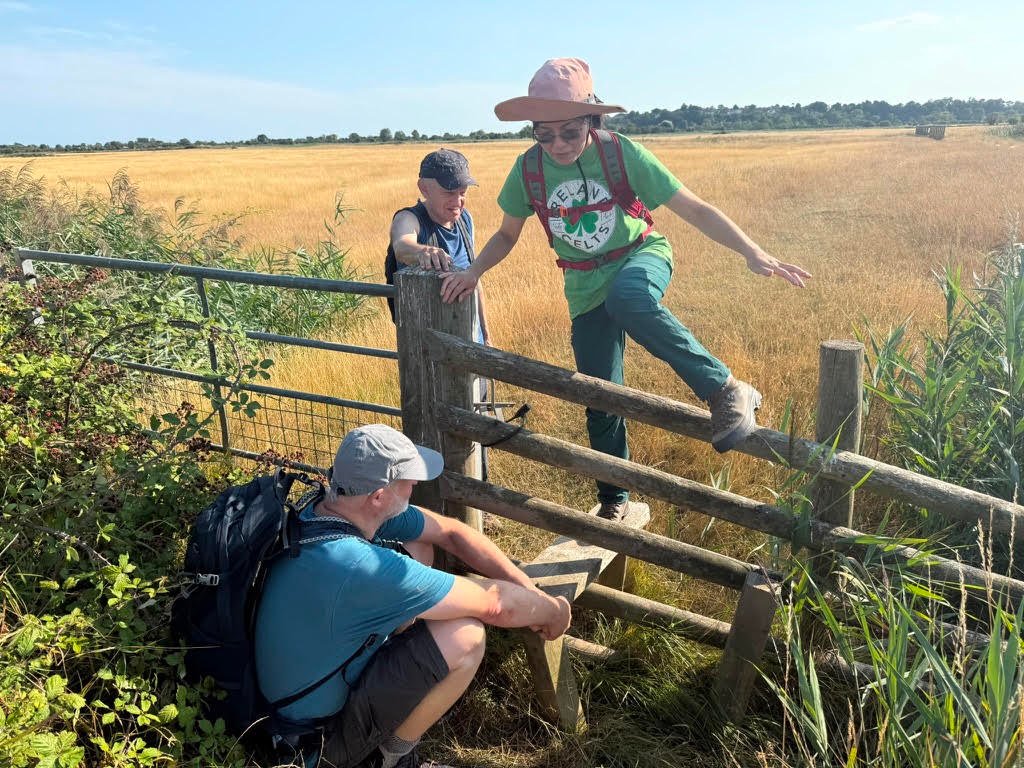
I had been concerned that following recent high temperatures in London the walking conditions might have been uncomfortable especially as there was no shade. But I needn’t have worried. The temperatures were already on the way down after the latest heatwave and the gentle sea breeze made the conditions just perfect for walking.
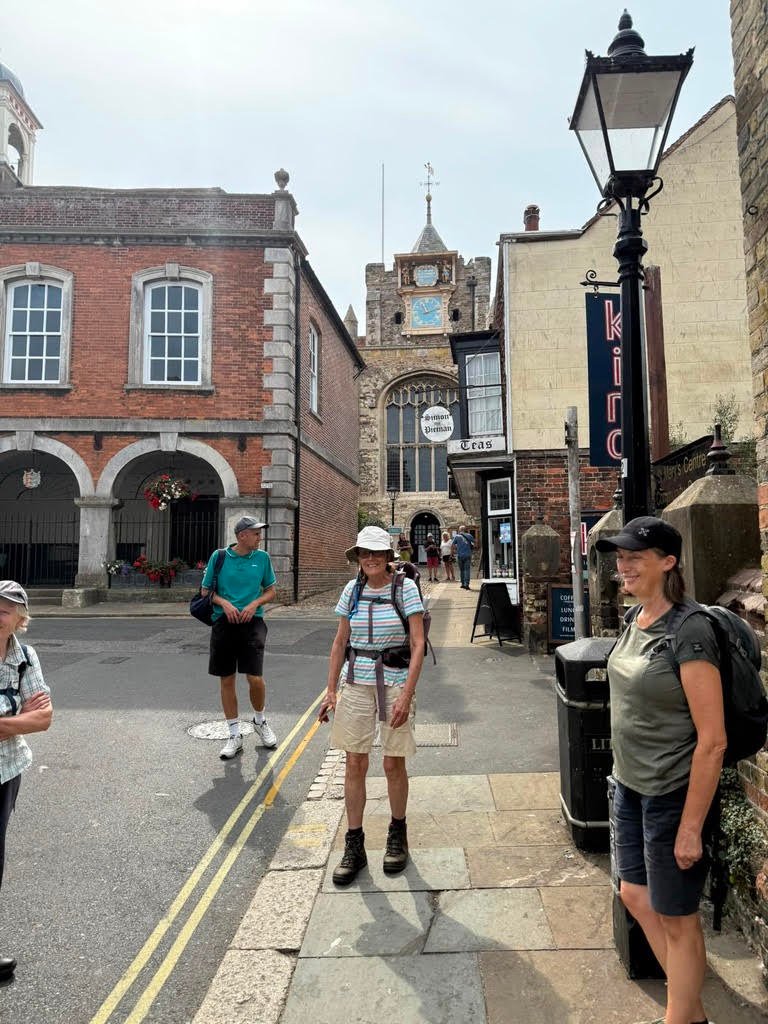
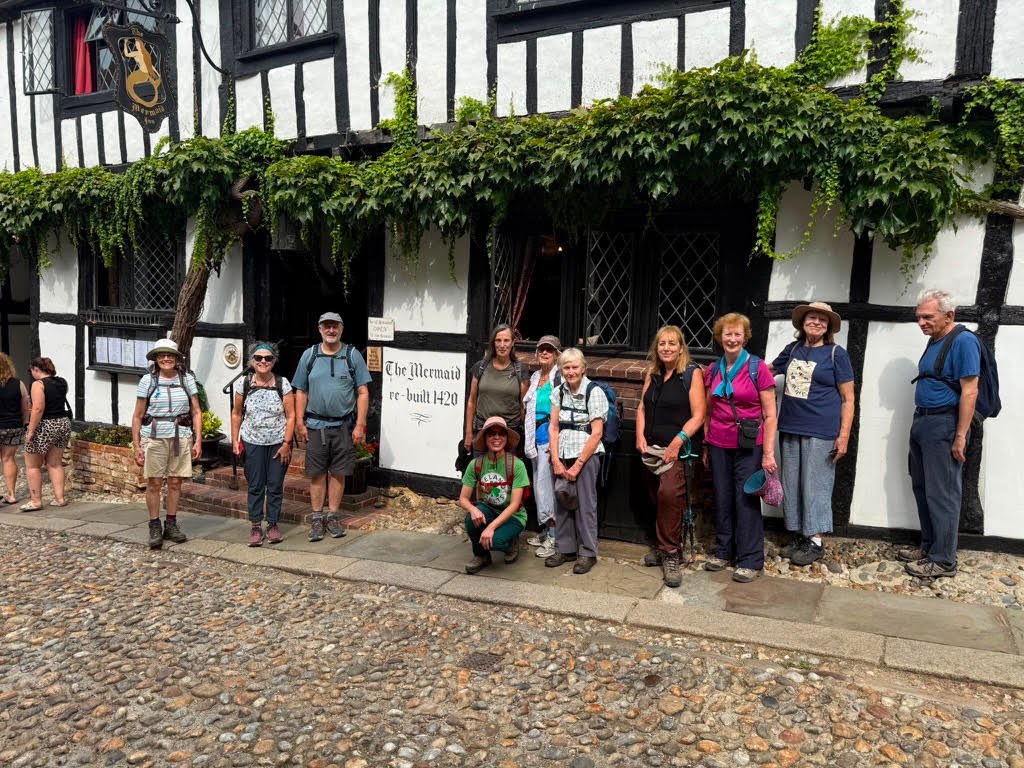
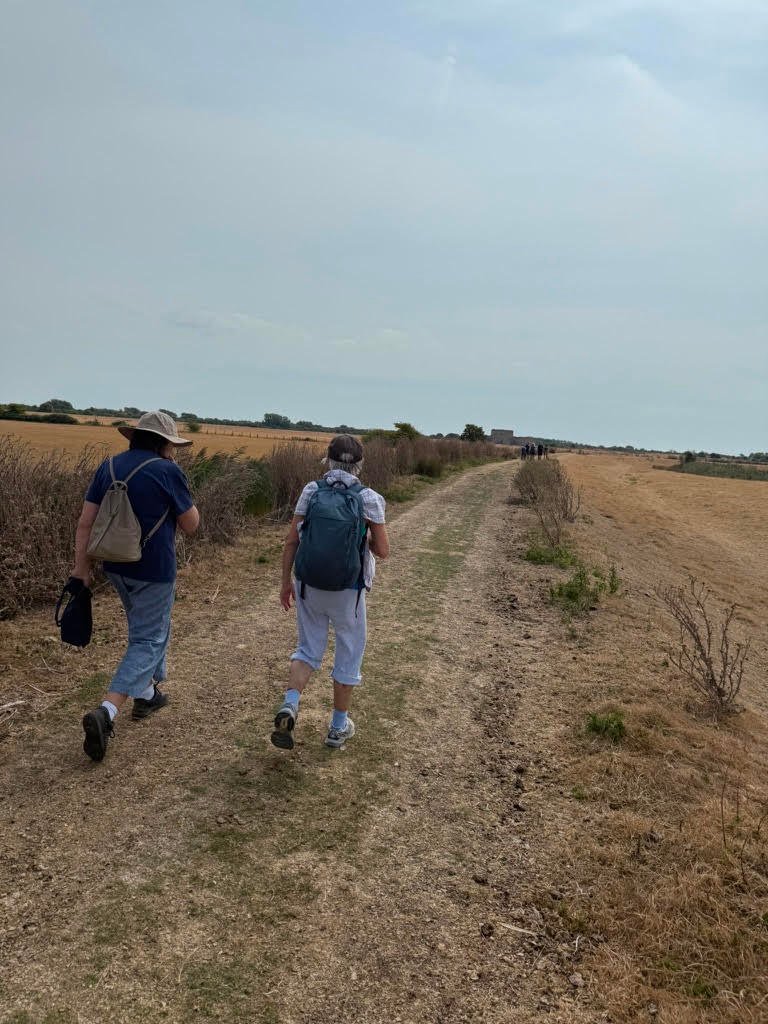
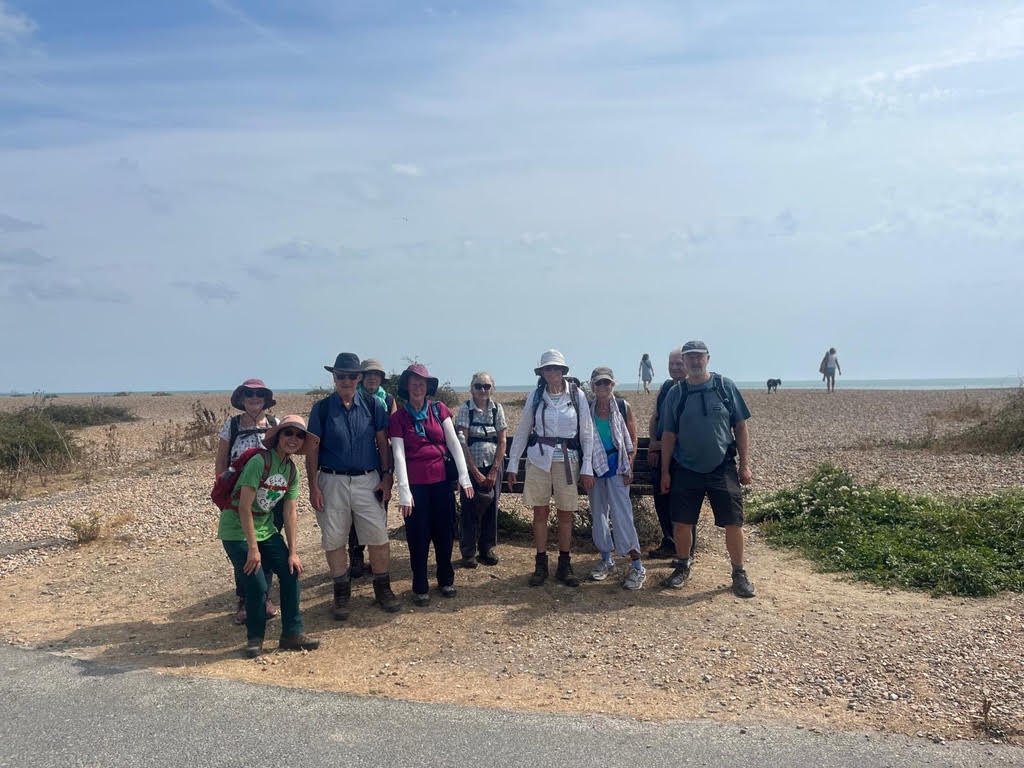
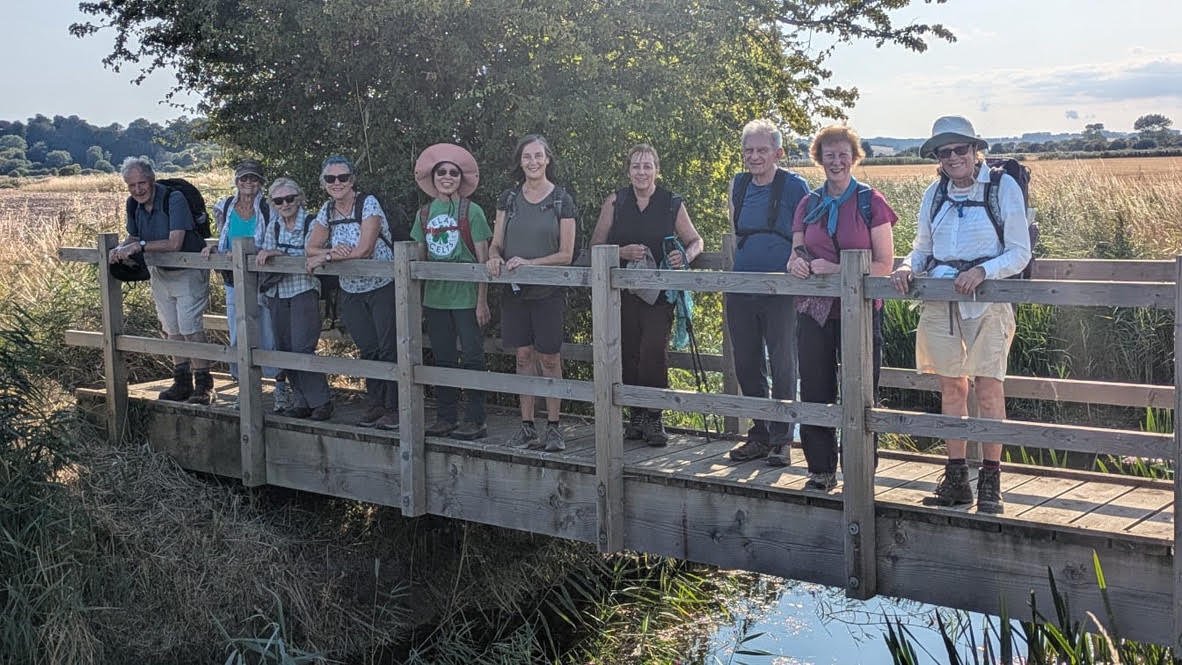
12 Poly Ramblers assembled at St Pancras and made the journey down to Rye. After the briefing, we began with a short tour of the main highlights of the town. Rye is a very old town with evidence of existing since Anglo-Saxon times. It is one of five ports (including Winchelsea) or ‘Cinque Ports’ on which were conferred a special status and tax privileges by the Crown in medieval times in return for defending the coastline from invasion. After admiring the old buildings, particularly in Mermaid Street, we made our way out of Rye and along the extensive salt flats that lie between the town and the sea two miles away. It’s hard to imagine that, until a succession of massive storms between the 13th and 16th centuries, both Rye and Winchelsea were on the coast.
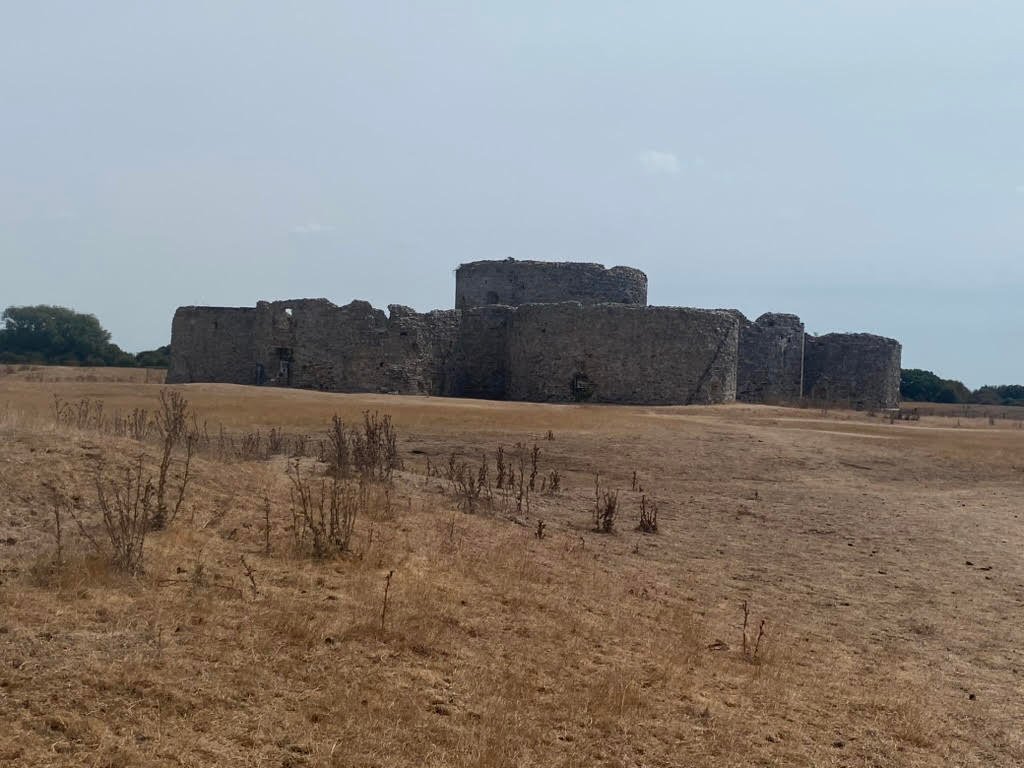
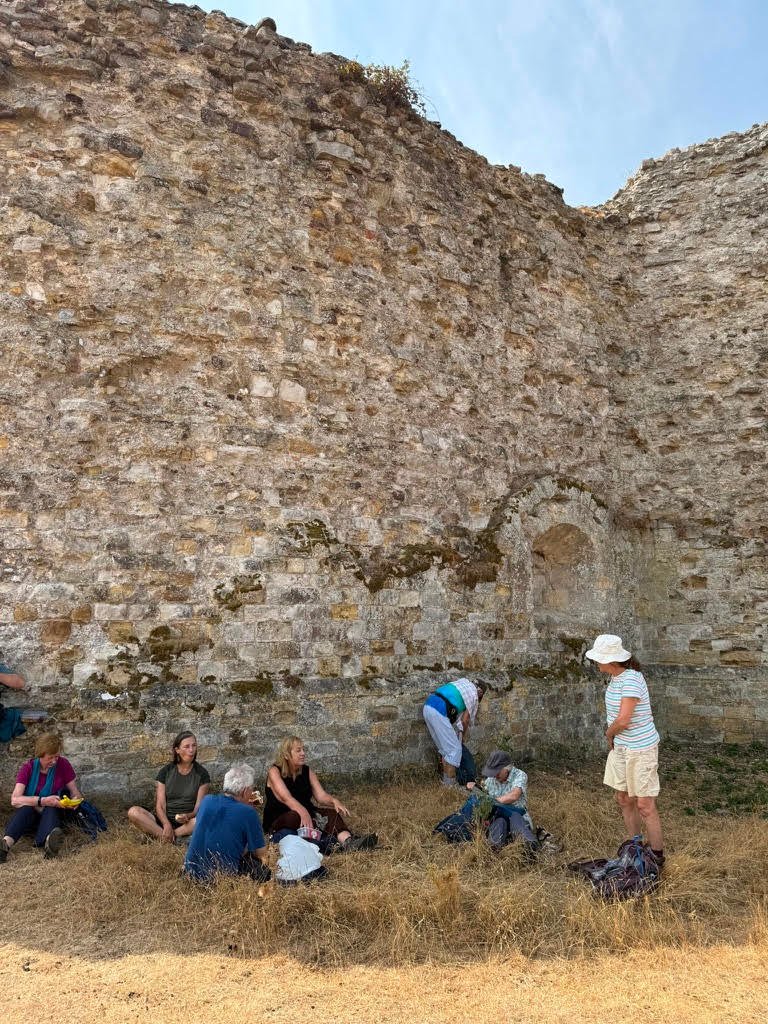
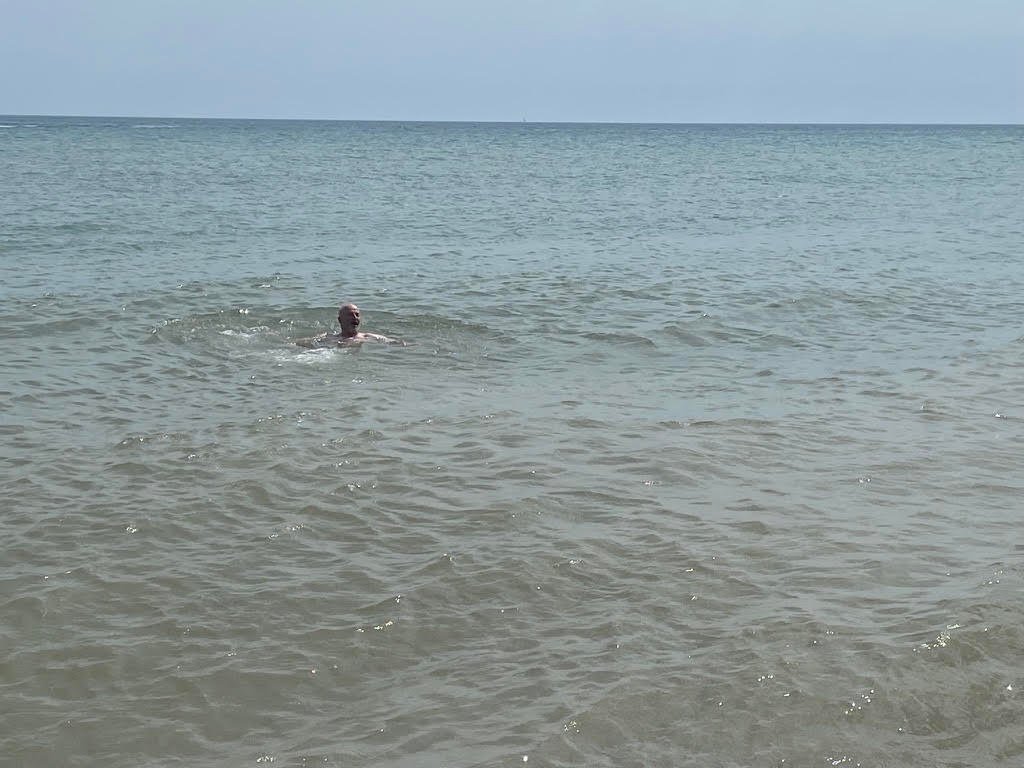
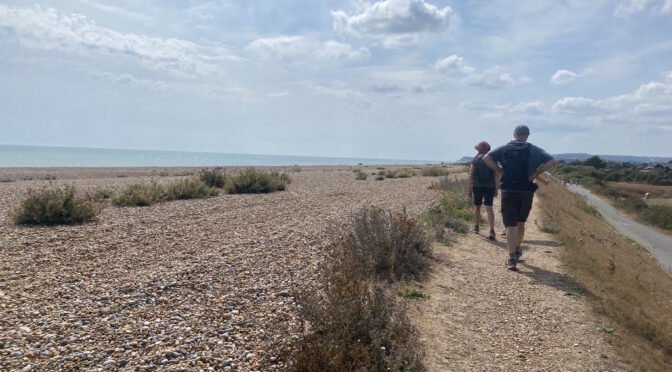
Our walk across the salt flats took us to Camber Castle, built by Henry 8th in the 16th century and is further evidence of the recession of the sea. Now closed off to the public, we made this our lunch time stop. From here the path took us down to the coast. We walk along a raised path by the sea. We reached a point where there were a number of people who were taking a dip. We decided to stop and a couple of the Polys went swimming or had a paddle.
After Winchelsea Beach, the path went inland back across the salt flats covered in sheep, eventually climbing to the village of Winchelsea. We saw ruins that were the remains of a much larger settlement than exists today, which came to an end after a number of severe storms in the 13th century. Winchelsea is a very pleasant characterful village. We had a refreshment break in the New Inn. Afterwards, we called in to look at the amazing stained glass windows in the ancient church opposite, and to look at Spike Milligan’s grave with the Irish inscription, ‘I told you I was ill”.
From Winchelsea, we descended down a very long flight of stone steps to the flats again, and from here we made our way back into Rye and the trains to London.
Mary King