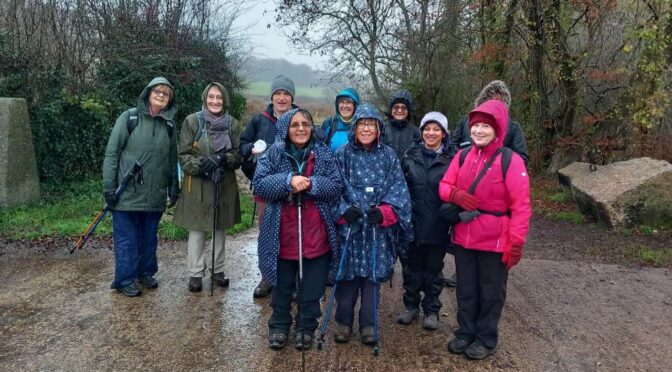
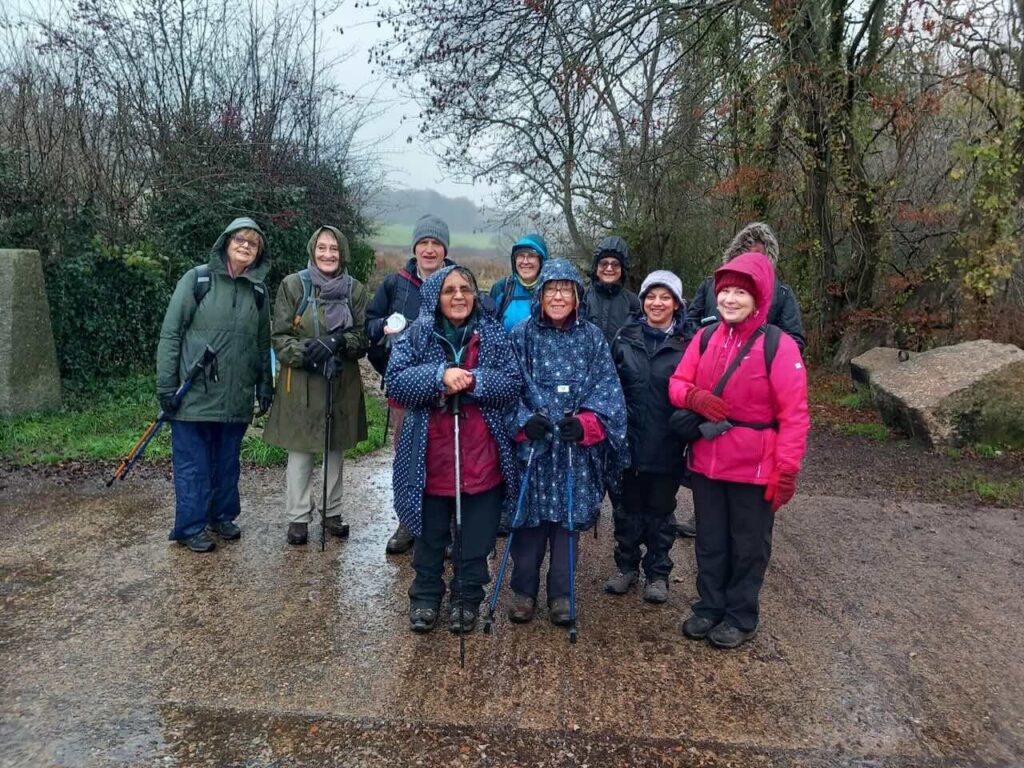
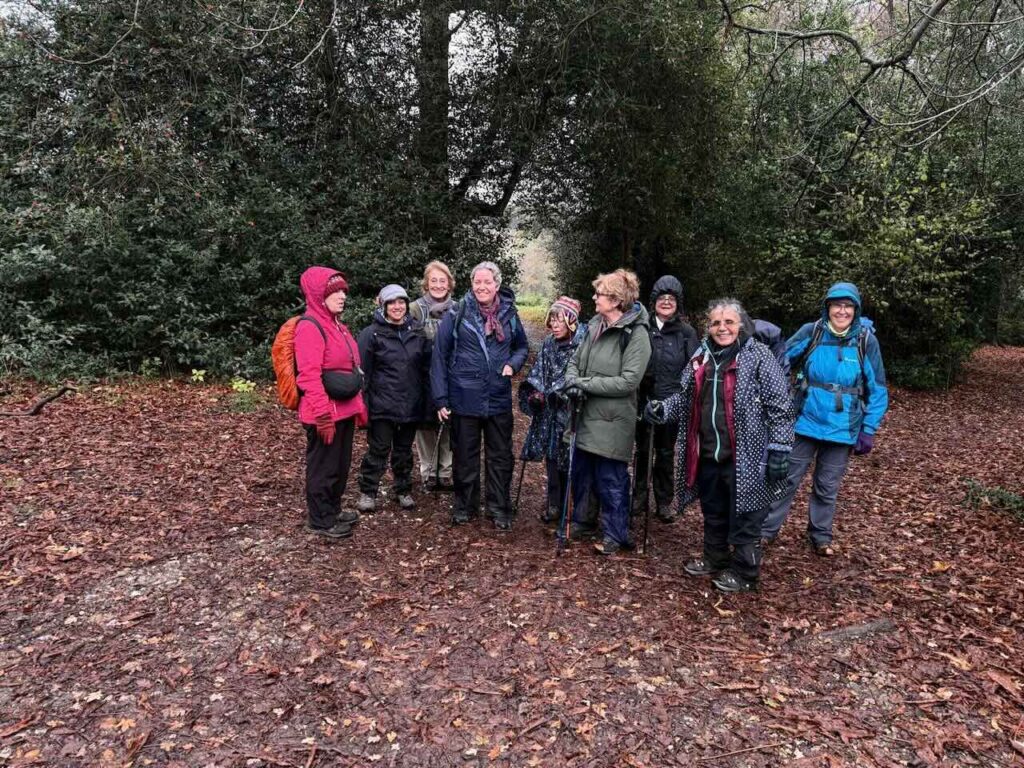
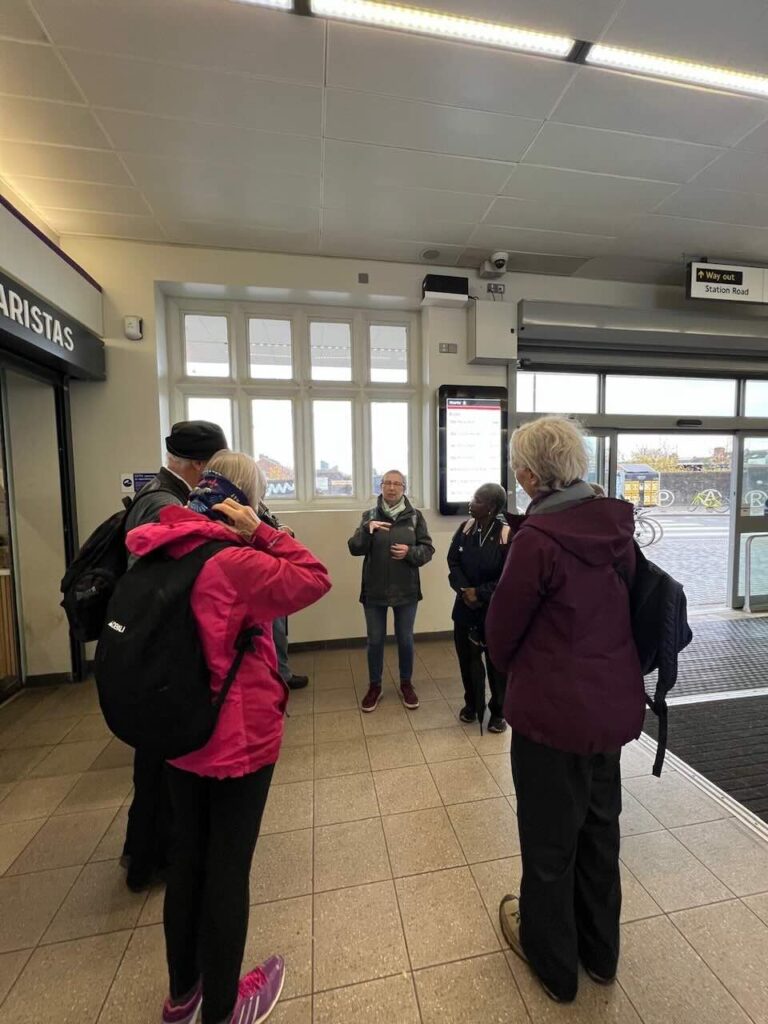
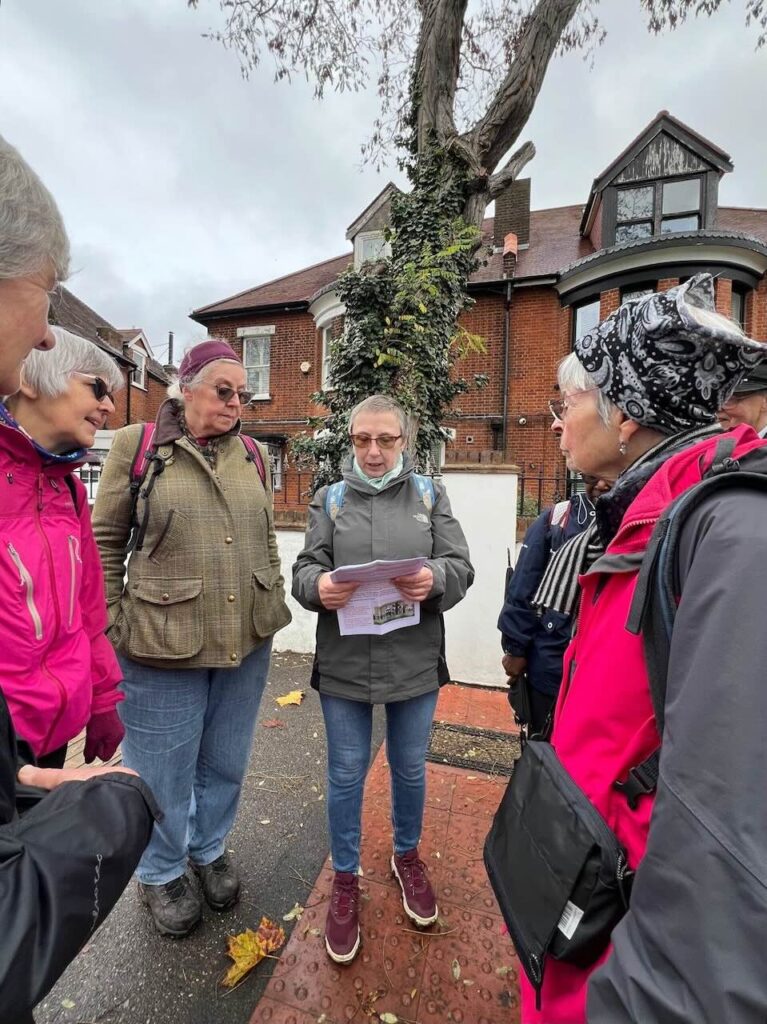
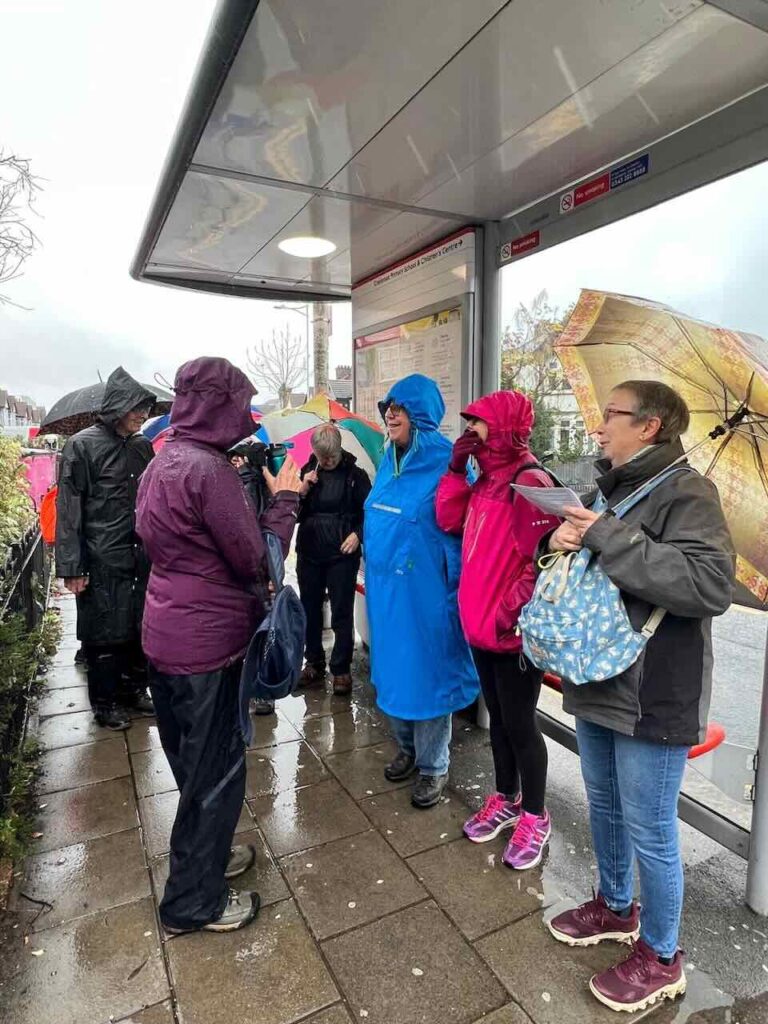
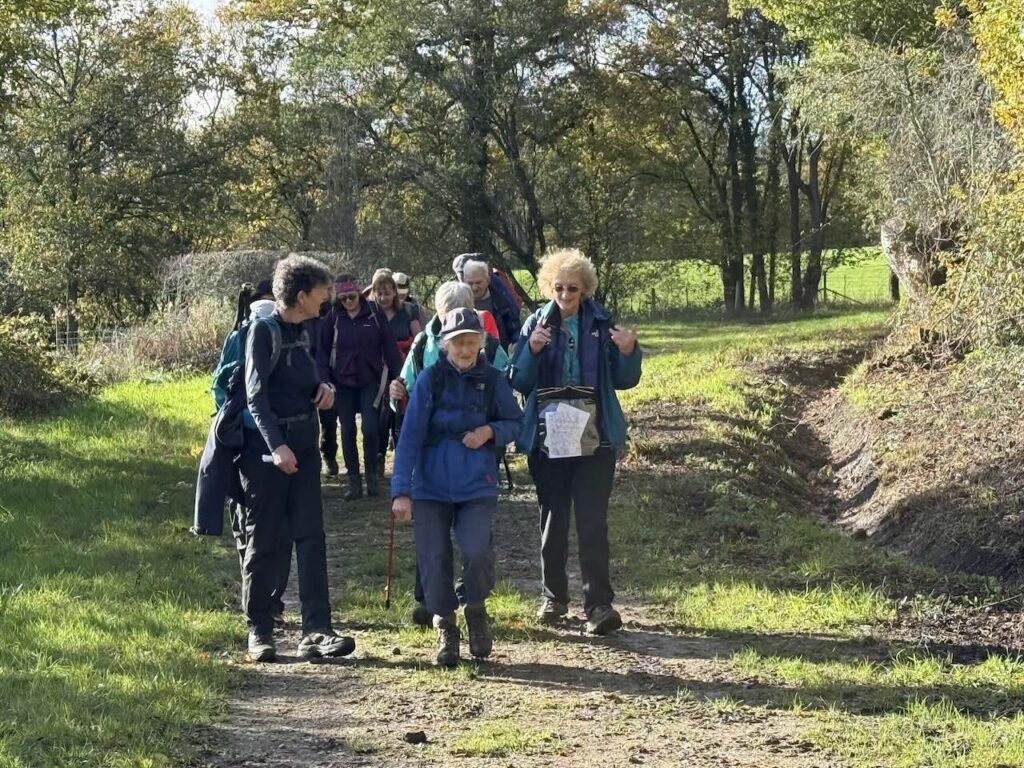
Eleven hardy walkers arrived at Chorleywood Station on a very cold and wet morning. After the safety briefing, we started the walk but stopped again within a few minutes for a toilet break in a local cafe. The reason being that the railway station facilities were all locked (the station was unmanned).
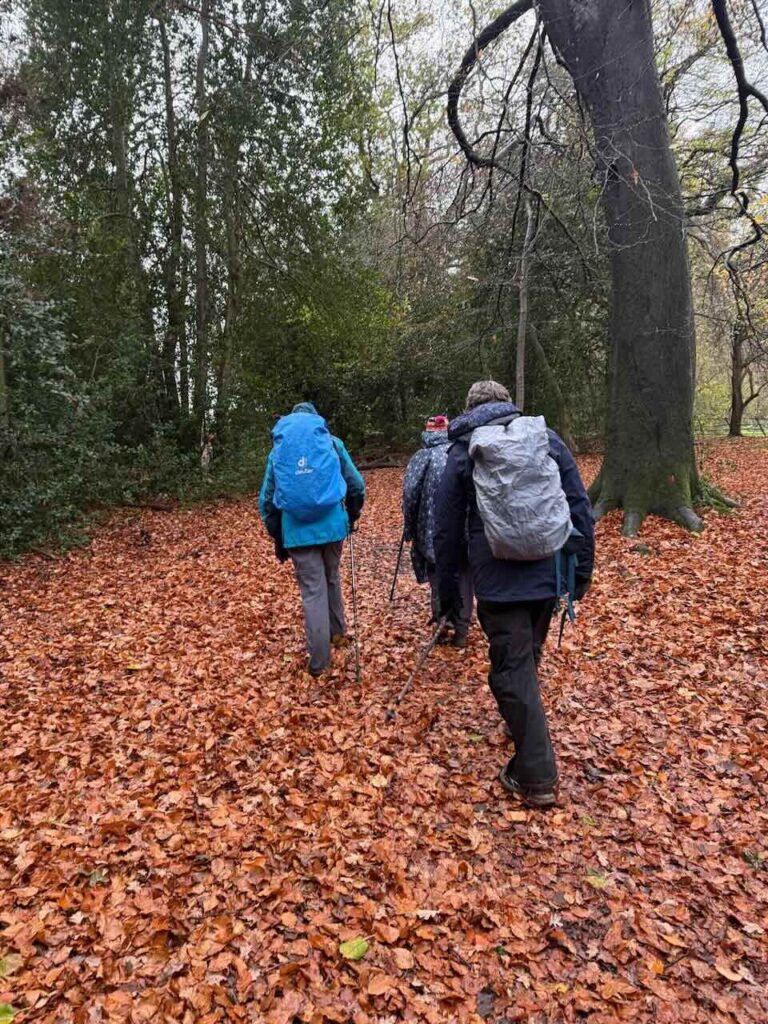
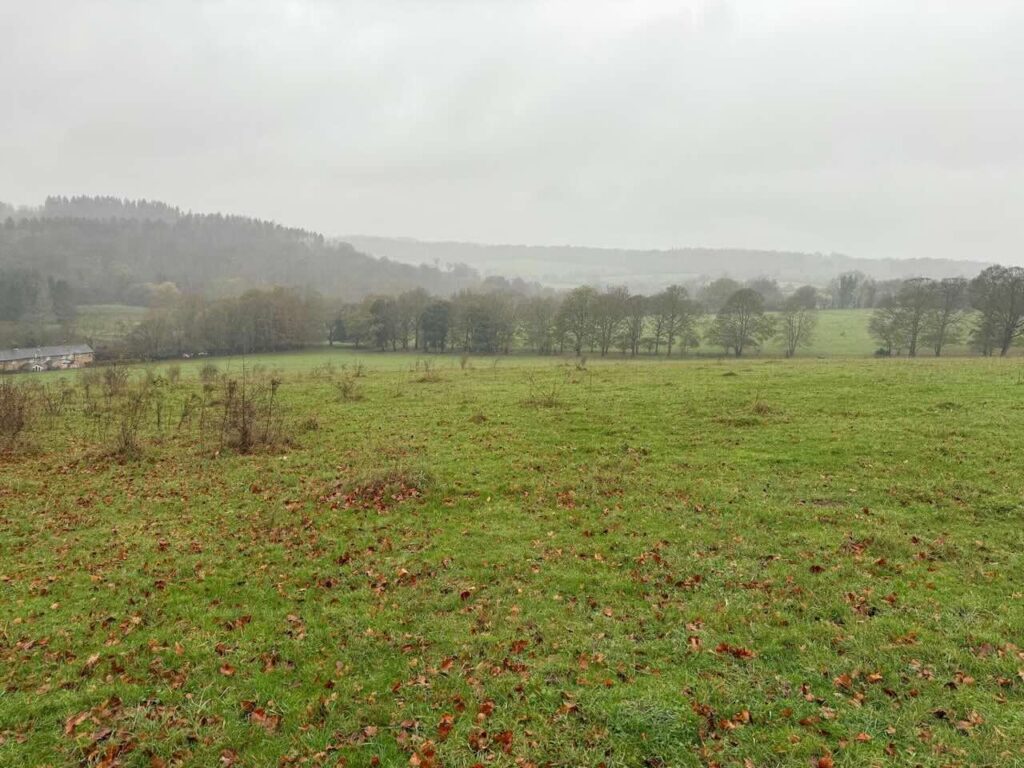
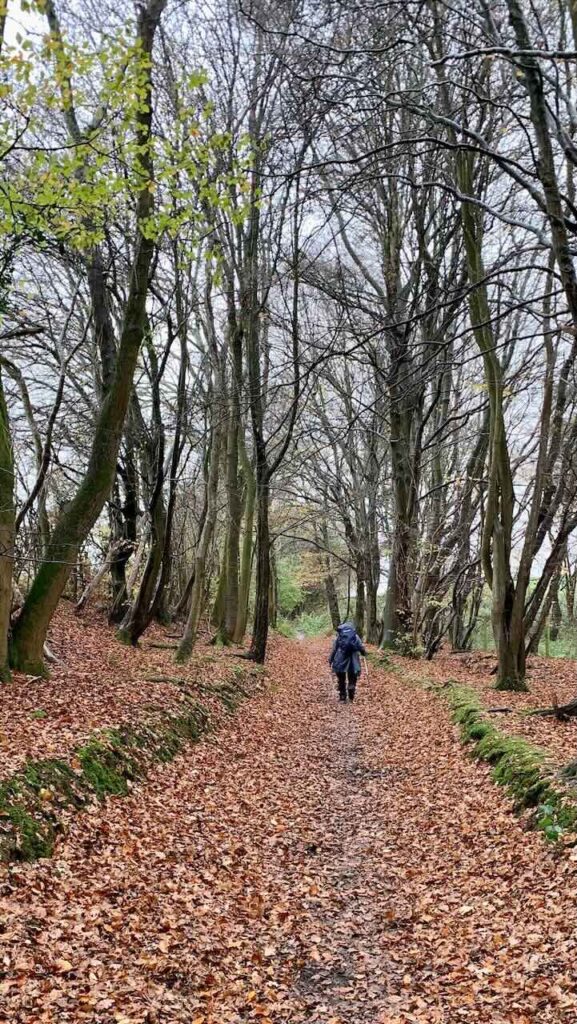
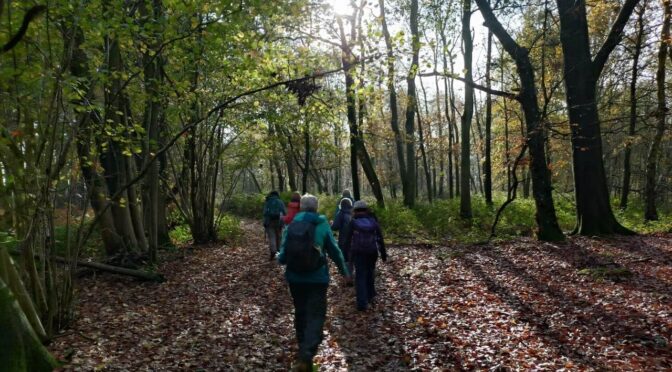
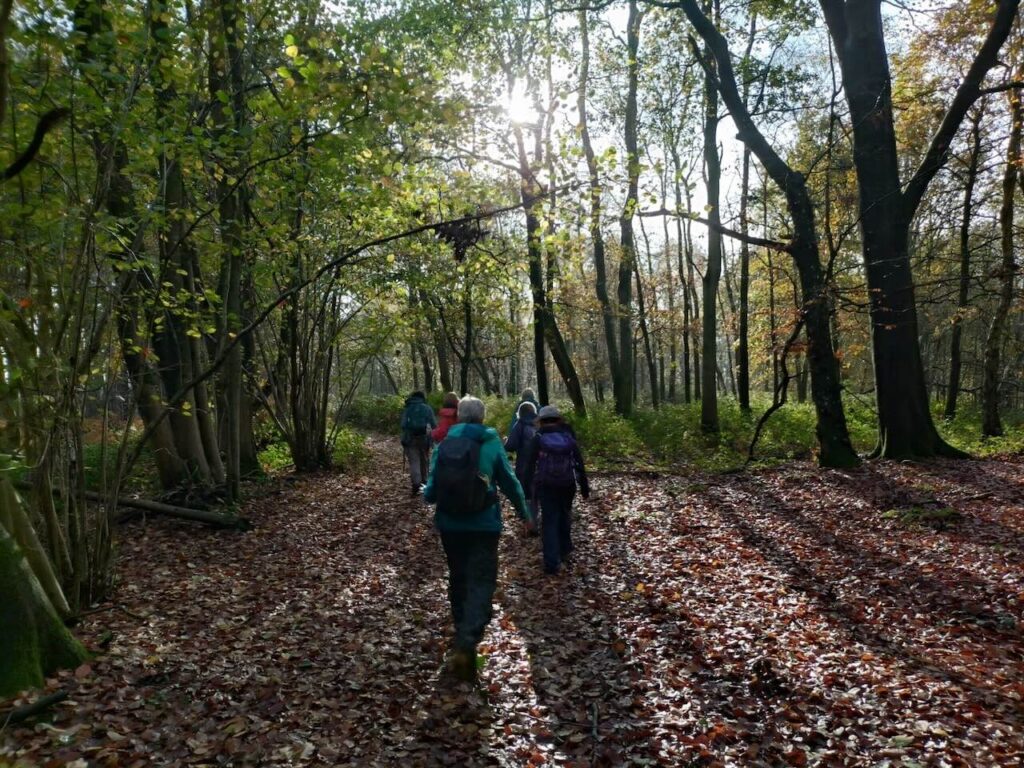
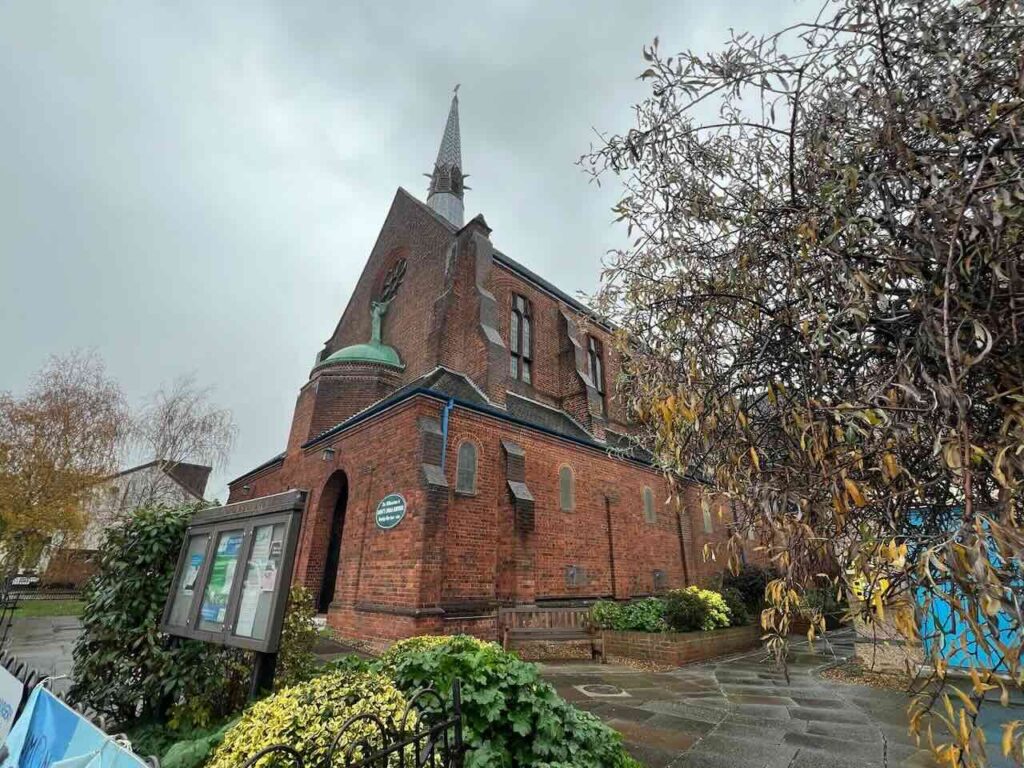
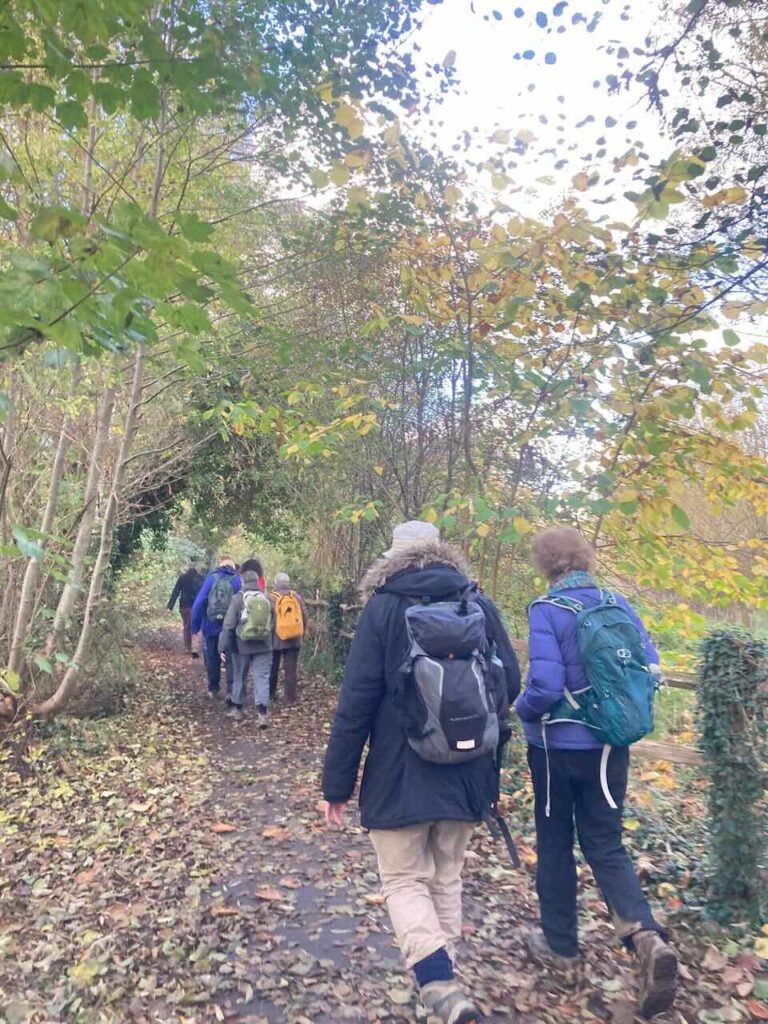
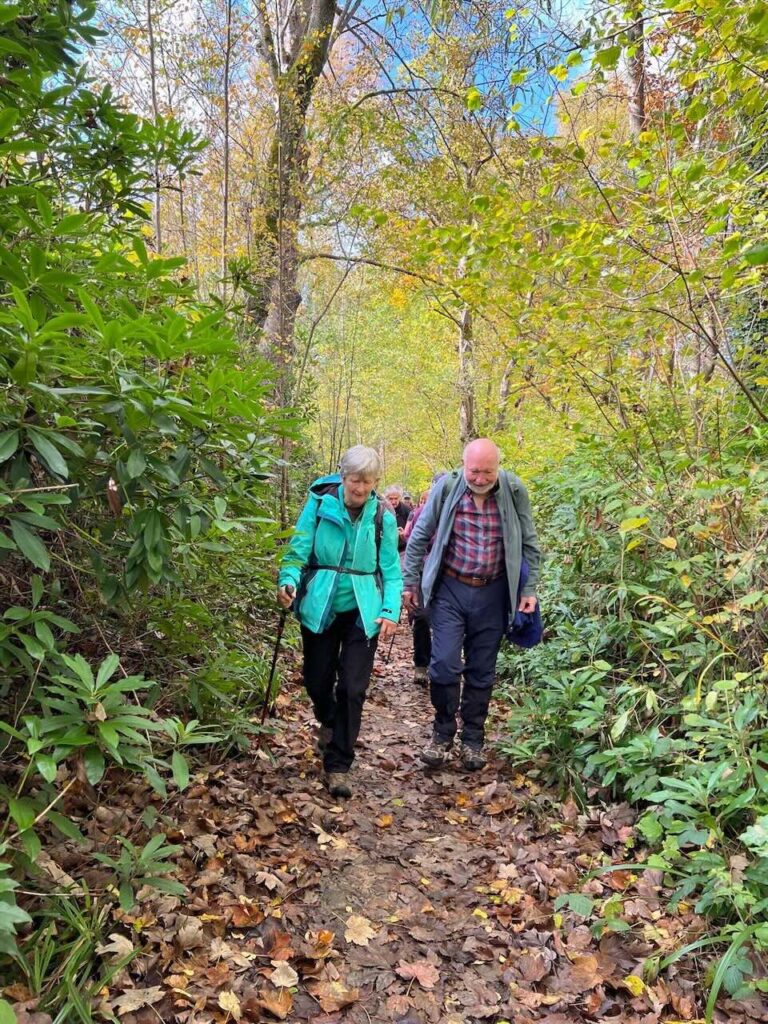
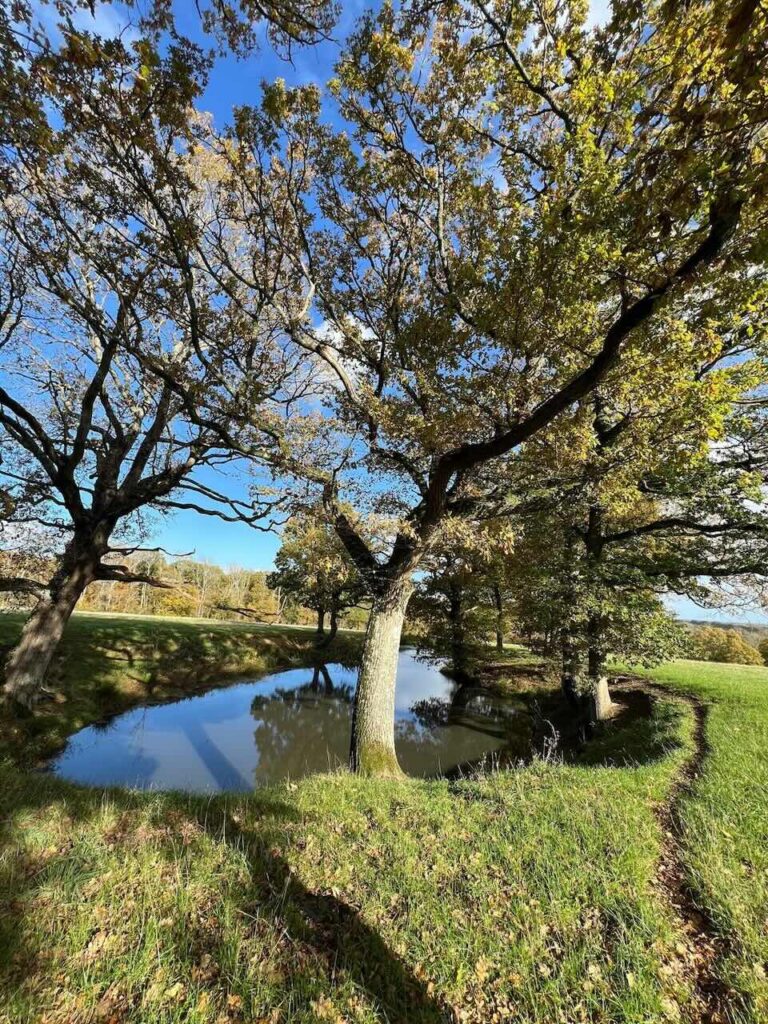
Then our walk took us through Carpenters Wood with its really lovely autumn colours and a carpet of fallen leaves. One of the polyramblers decided to turn back at this point because the path was very slippery in places. The rest of us continued on to Chenies, along a tarmac path past Mountwood Farm and then took a steep decent down to the watercress beds. After this, we climbed a steep hill up to the Church and to the pub ‘The Cock Inn’.
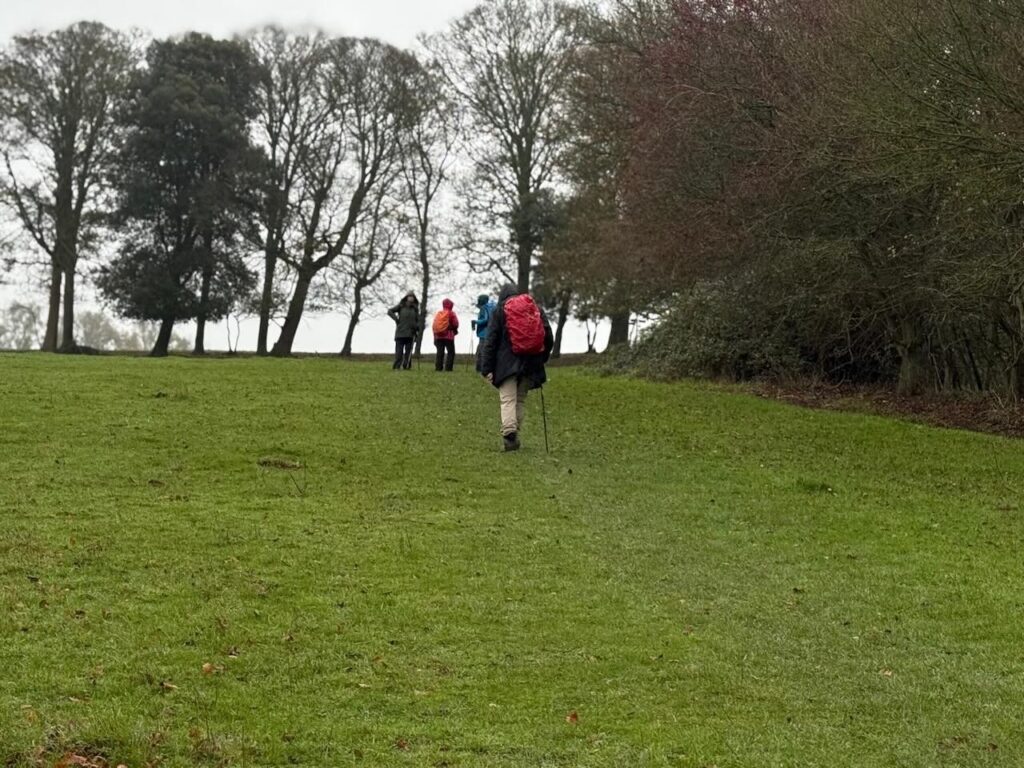
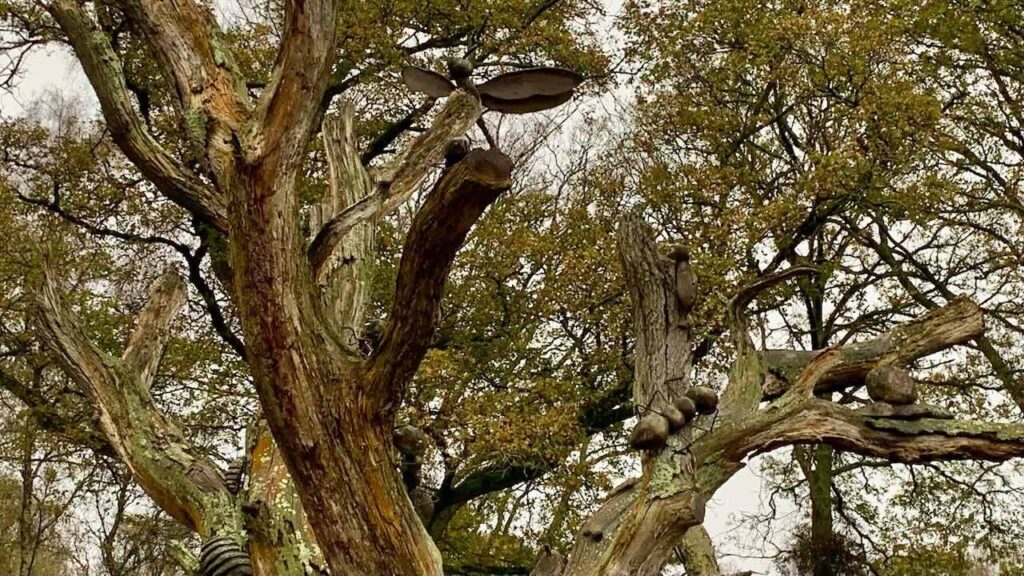
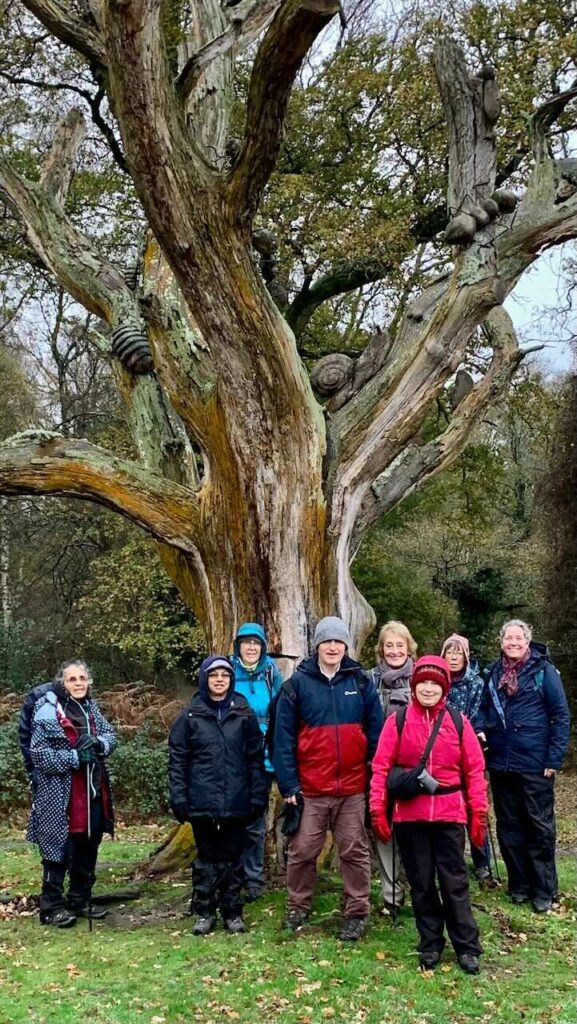
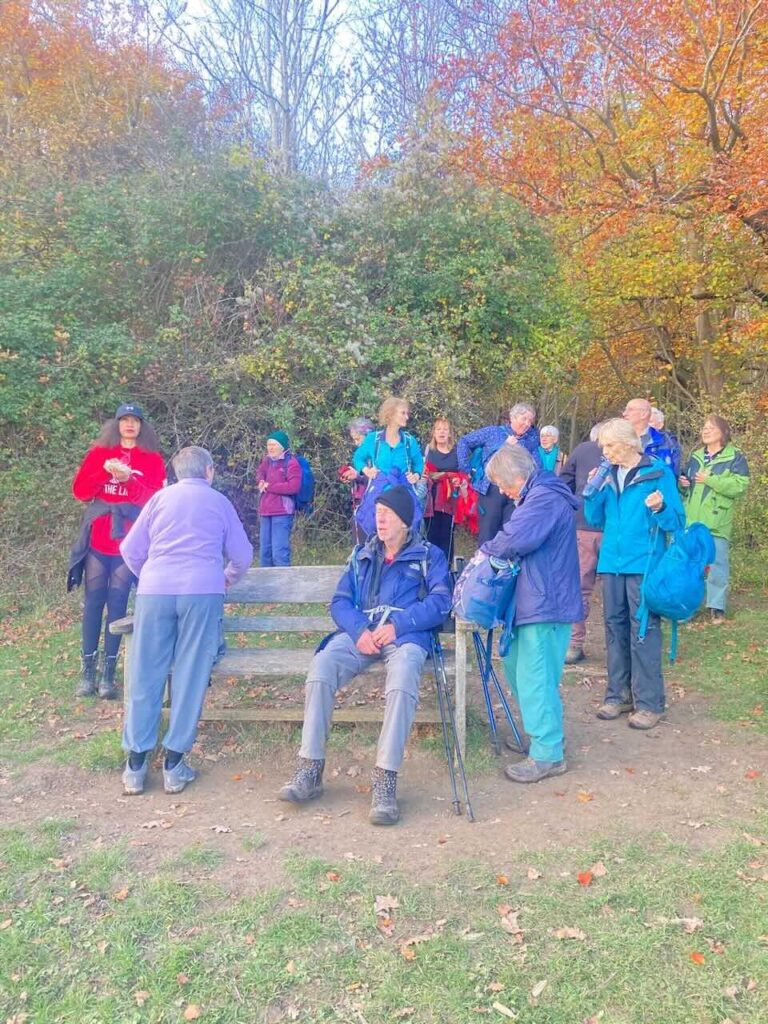
Here we had our lunch, some taking shelter from the cold in the Church (the radiators were on!) while others went for some food and a drink in the pub. After lunch, another polyrambler decided to call it a day. Then the remaining ten of us walked down to Sarratt Mills and on to Chorleywood Common after crossing the River Chess. We stopped to admire the Memorial tree and then headed back to the Station.
A few us decided to have tea and cake in a local cafe while the rest caught the train back to town.
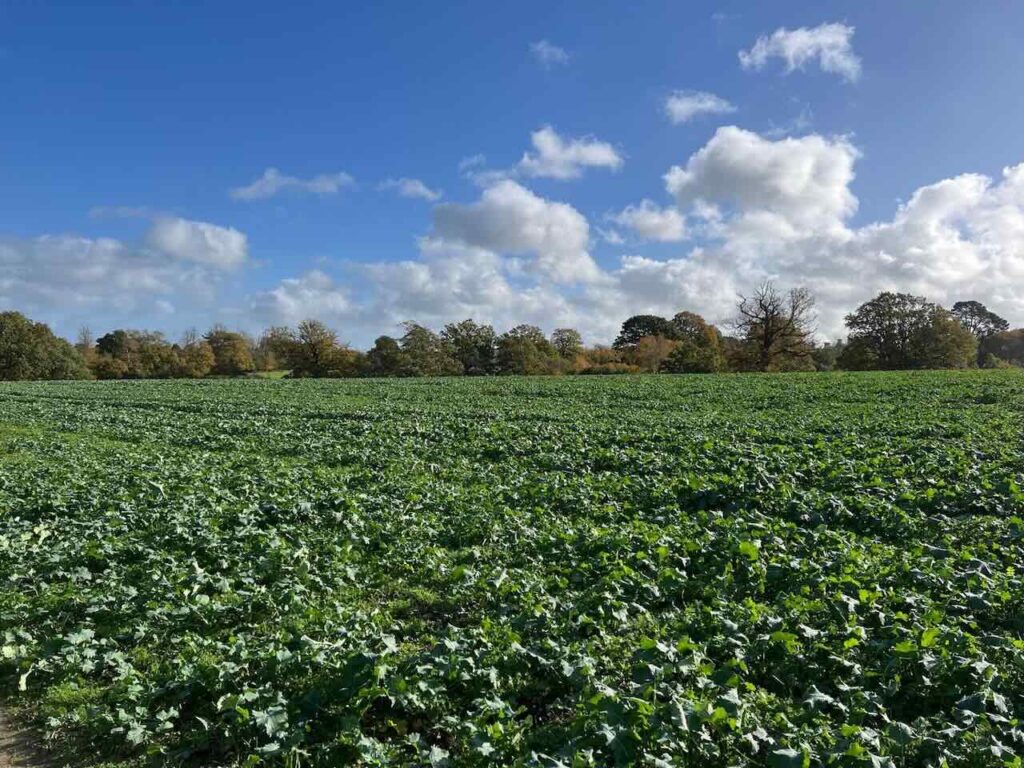
This eight mile section of the Vanguard Way goes through an idyllic area of rolling countryside and small farms mostly in open countryside and pastures.
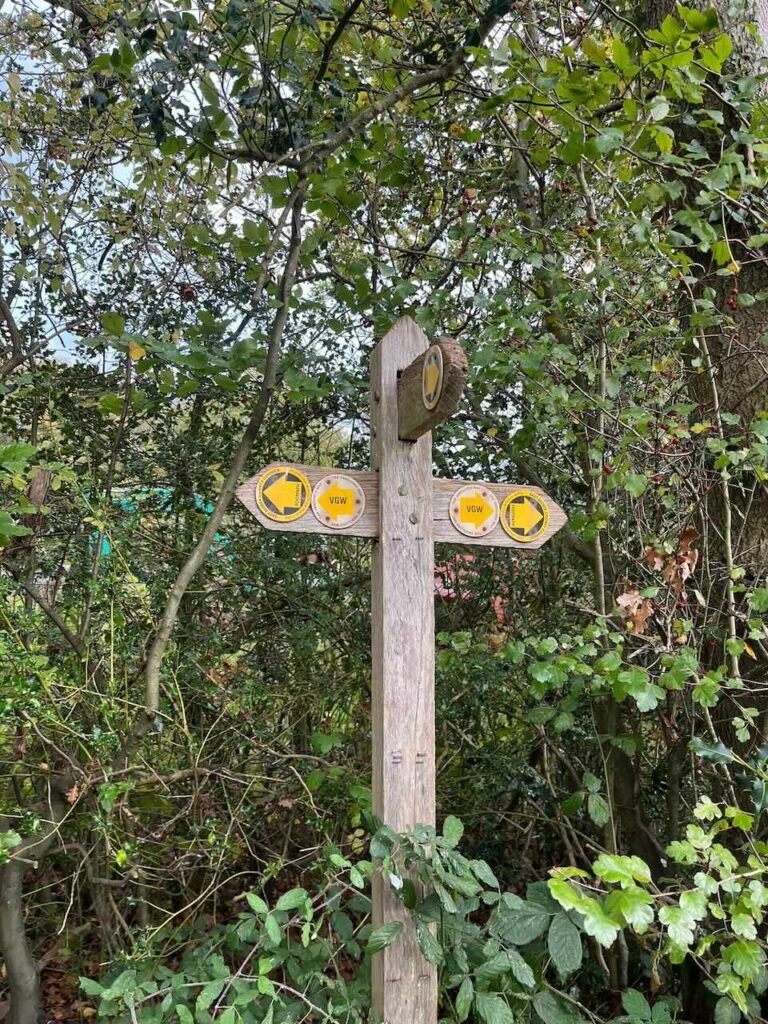
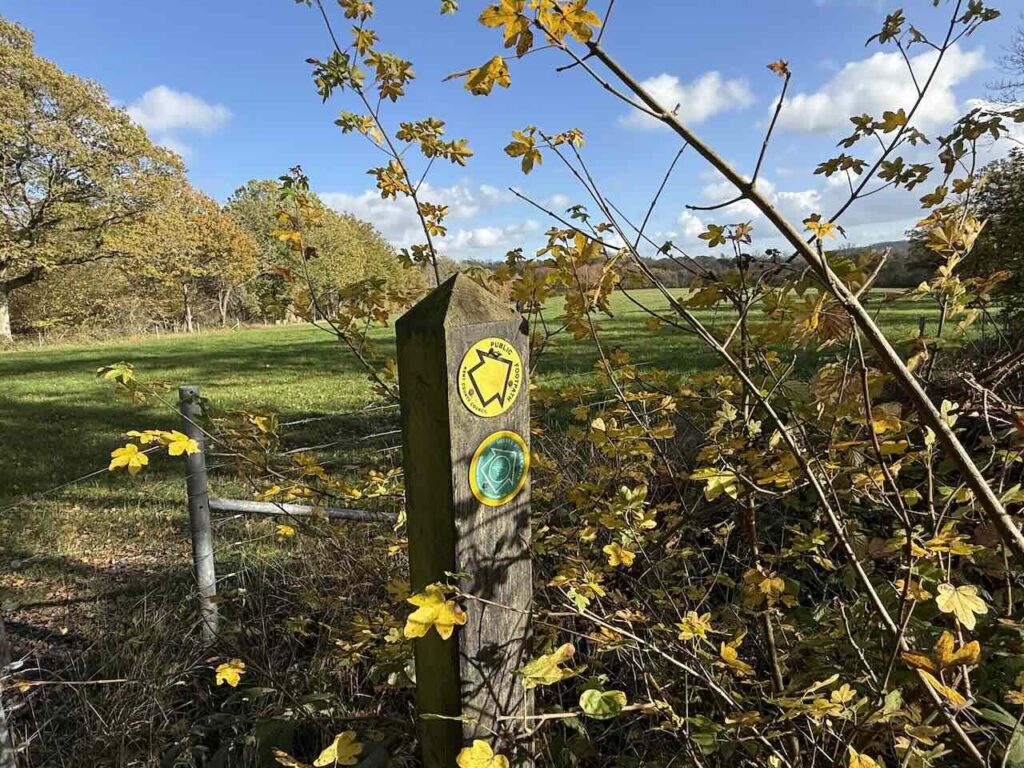
Nine Poly Ramblers undertook the complicated train and bus route to start section six of the Vanguard Way on the Uckfield road in the Wealden District East Sussex. The signage for the route had recently been renewed; it sadly did not prevent us from going in the wrong direction twice!
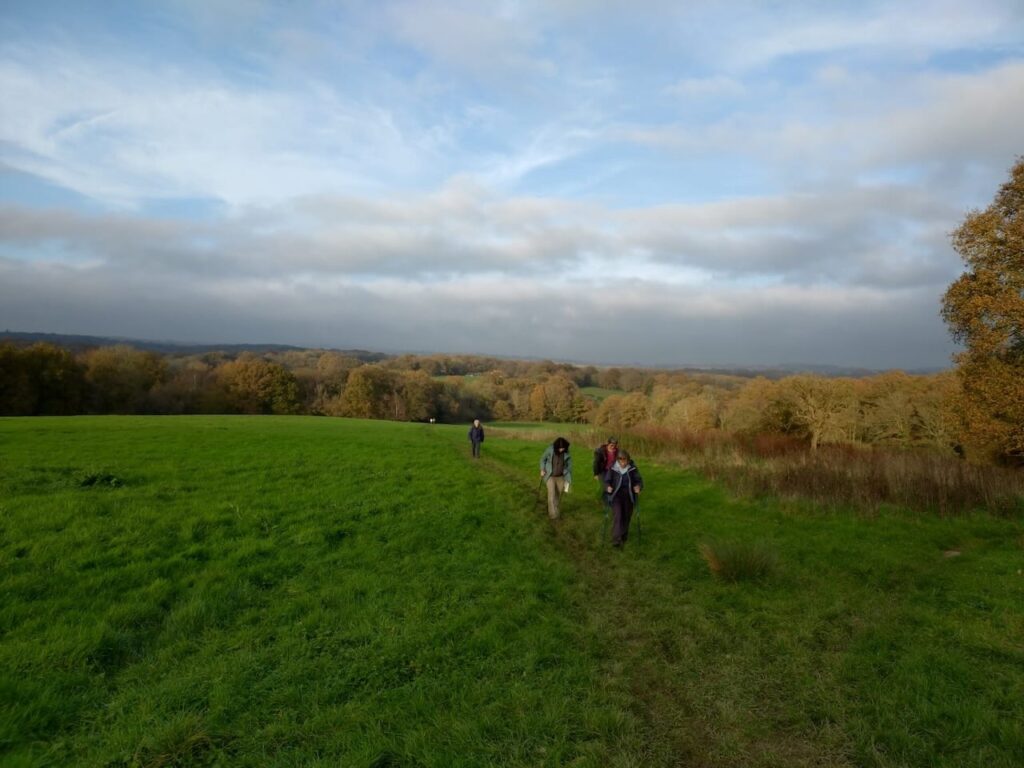
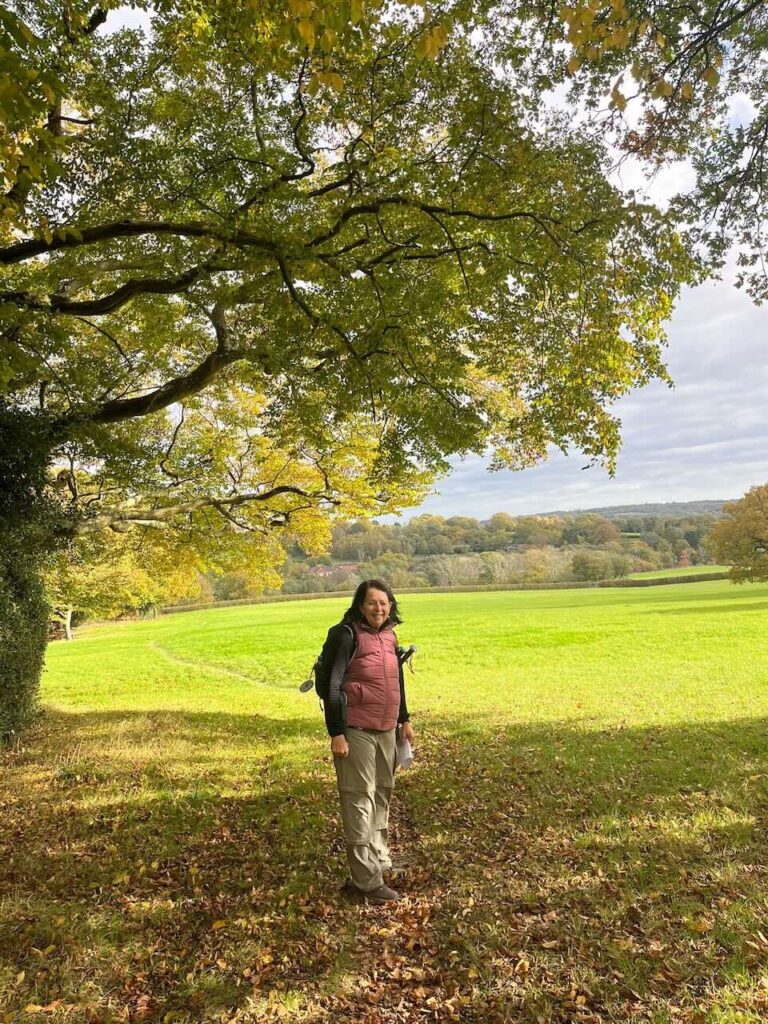
We were fortunate to have pleasant weather after a week of heavy rain as we made our way through pastures and woodland crossing the river Uck at intervals. We enjoyed exceptionally clear views en route.
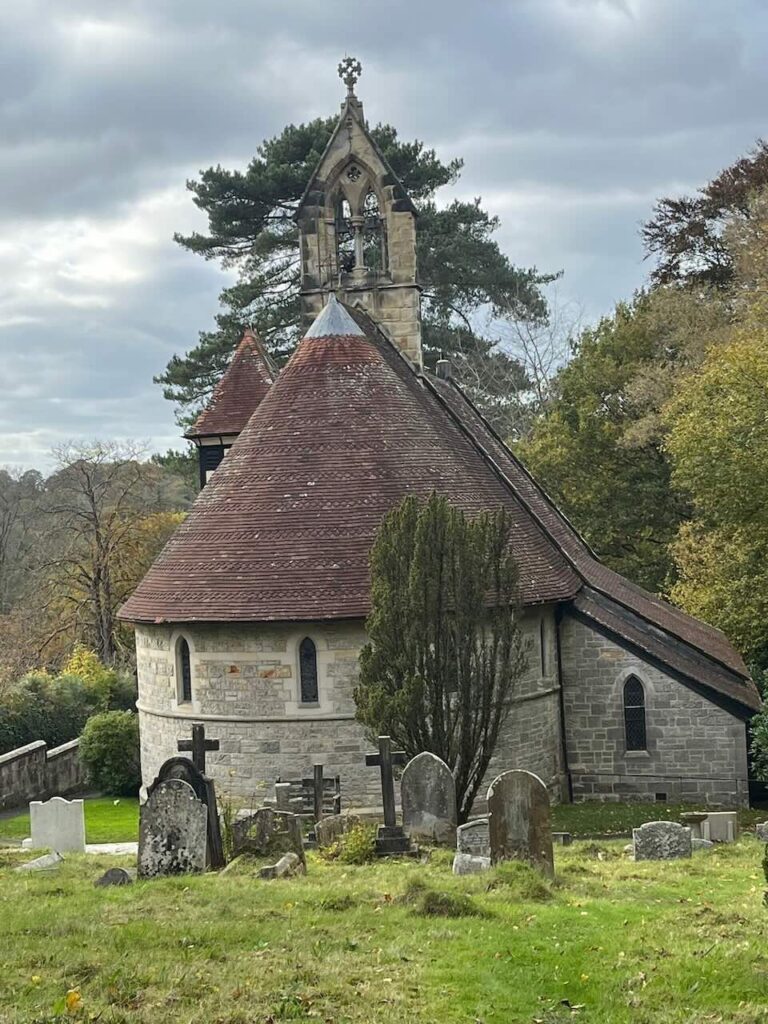
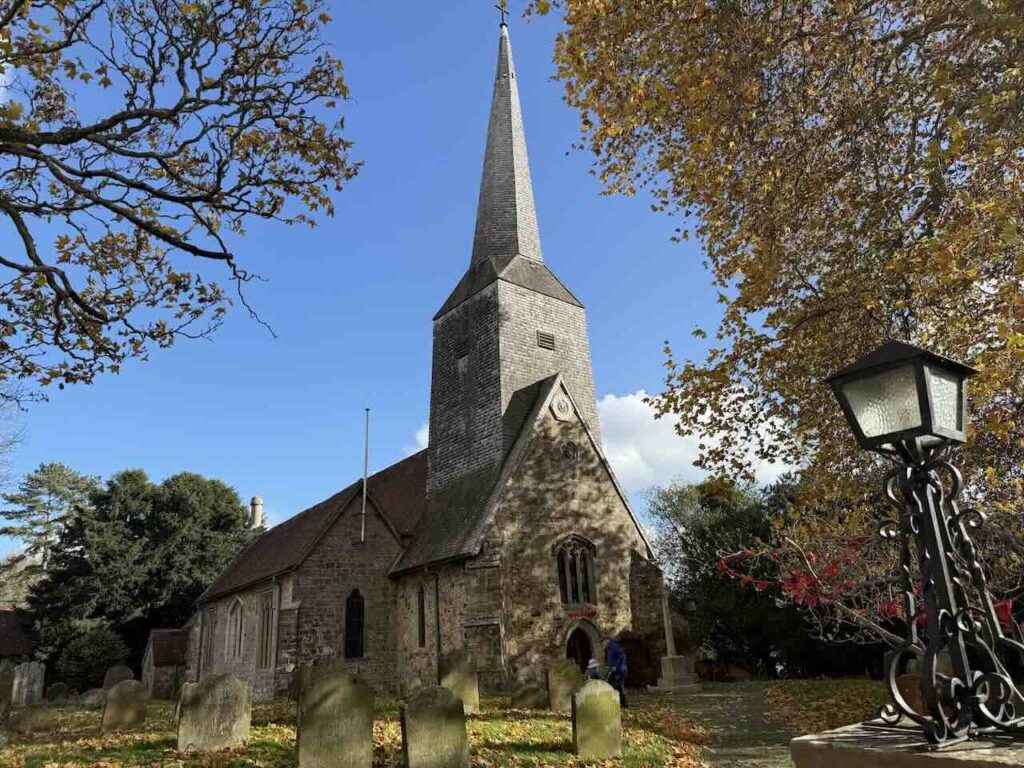
We stopped for a picnic lunch at the Holy Trinity Church High Hurstwood, finding plenty of seating on the benches in the churchyard. The church was of an unusual design with its partly half-timbered porch tower and flat bellcote.
After a short lunch we resumed our route through woodland and fields passing pillboxes which had been hastily constructed during the second world war when the threat of invasion appeared very real. The name comes from their similarity in shape to boxes that used to be provided by pharmacists for medicinal pills.
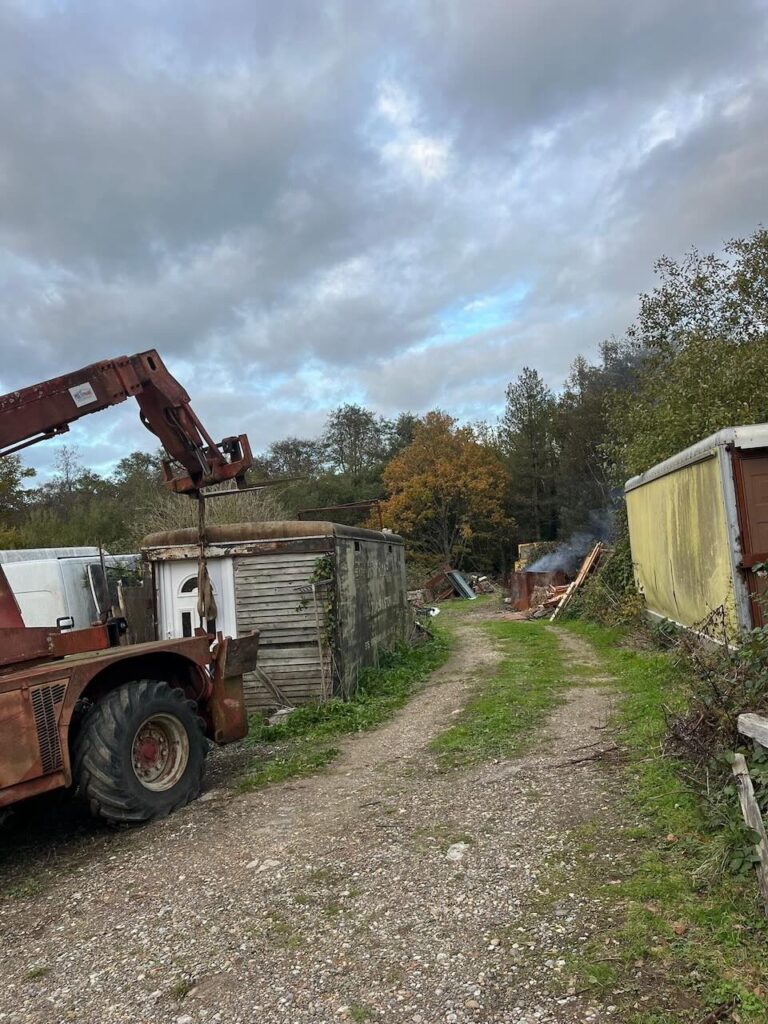
We went through the arch under the East Croydon to Uckfield line, in our hurry to get to our destination in light and on time to catch the hourly bus, we took the wrong path across the next field and walked up a lane away from the route. Luckily a local person helpfully guided us back, we quickened our pace to make up for lost time. We walked along a lane (Nan Tucks Lane) following a track through trees, over a stream and continued into a junk filled farm yard (Scantlins Farm).
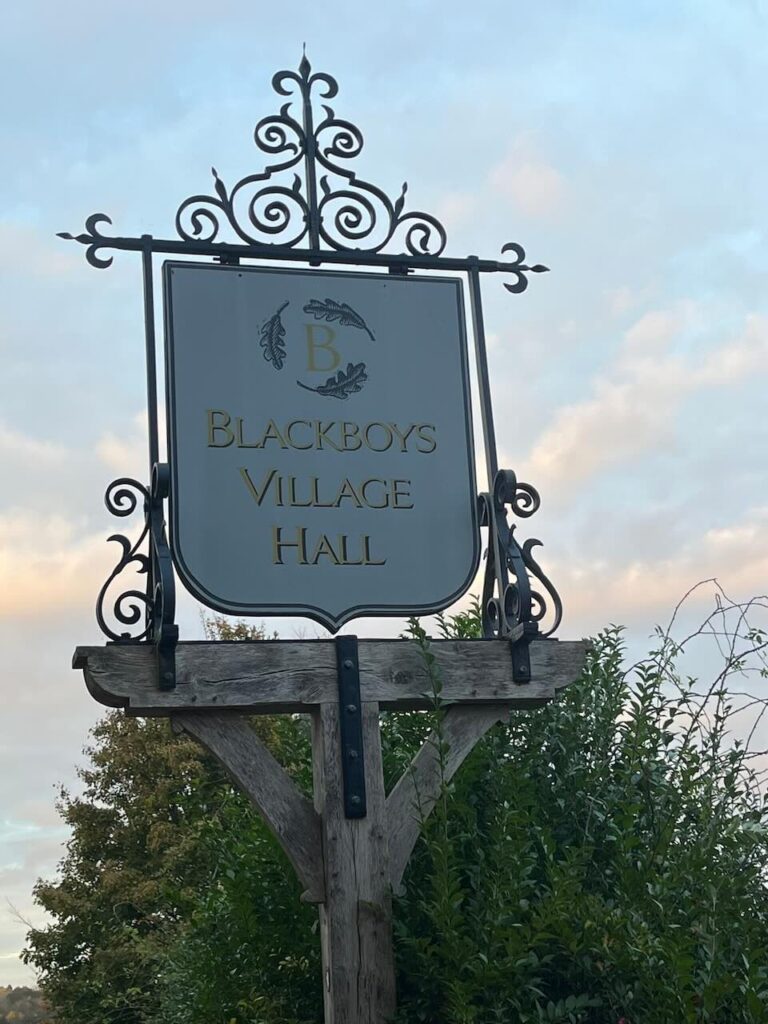
At a carved wooden Vanguard sign attached to a container we followed a broad track through trees to cross the picturesque Tickerage Mill at a weir with mill pond. We finished our route via allotments and passed the Village Hall to the Blackboys crossroads where section six ended. We were fifteen minutes early for the bus thanks to the brisk pace of our Poly Ramblers.
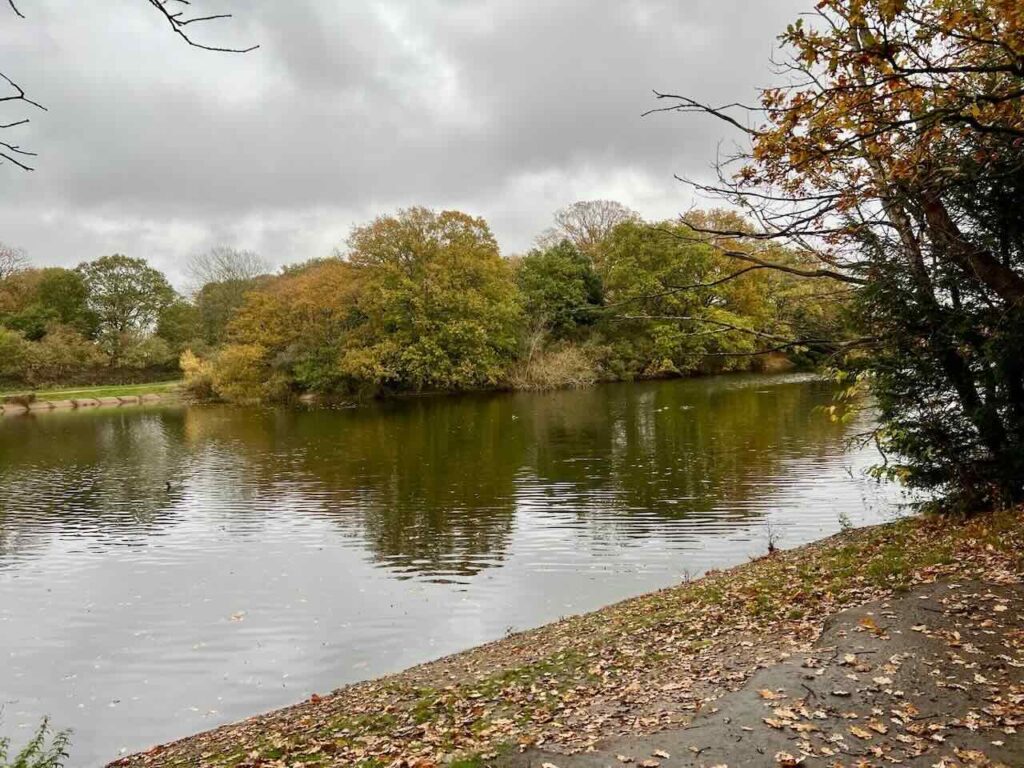
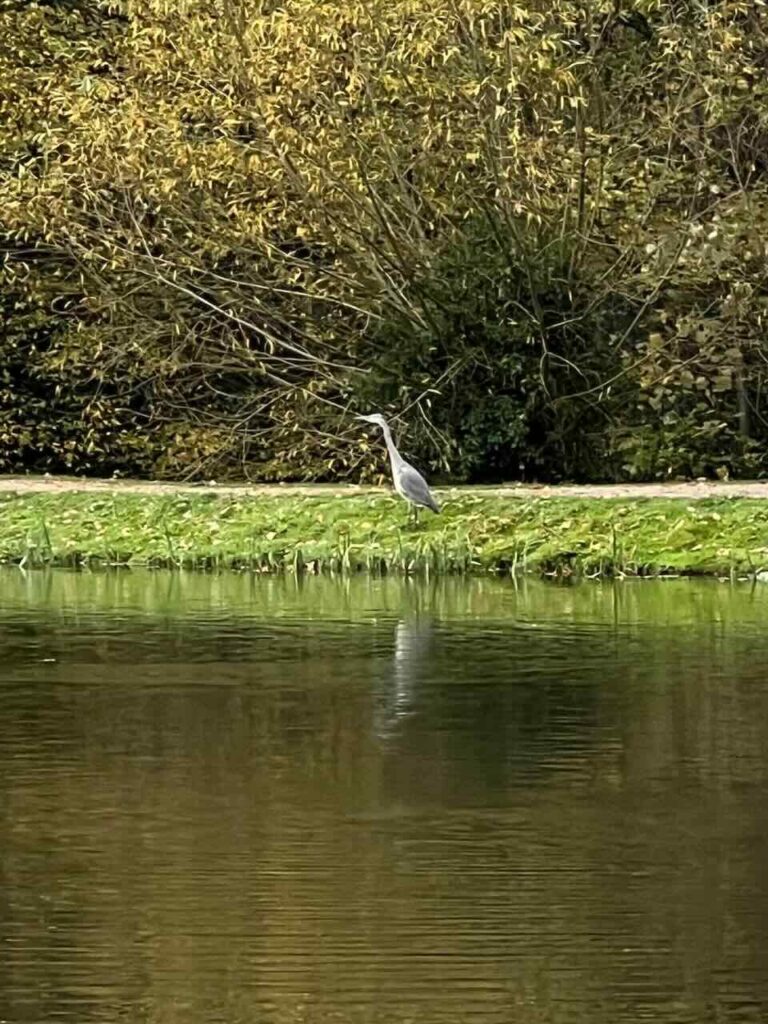
9 brave Polyramblers turned up at Manor Park station on an inauspicious day for a 6.5 miles walk through parklands. We started with flat Wanstead Flats, passing Alexandra Lake dug at the beginning of the 20th century to give work to unemployed men. The lake was named after Alexandra of Denmark, the Queen Consort of King Edward VII. Next was Wanstead Park where we walked along lakes, then crossed over the river Roding as the rain started.
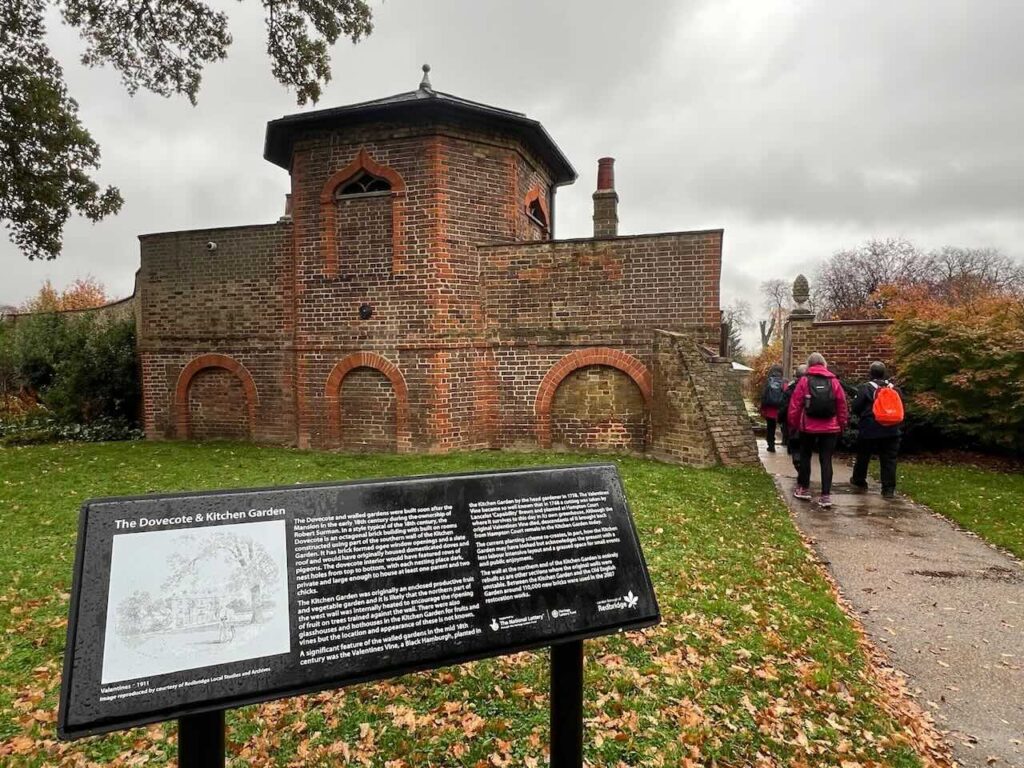
We passed St Andrew’s Church – Grade II listed – which is of a similar design to Pretoria Church in South Africa (that’s what my guide says). After some road walking, we reached Valentines Park as the rain eased off. We had the Garden Courtyard Cafe to ourselves for our lunch break. Afterwards, we visited Valentines Mansion (free to visit and open Sundays and Mondays) – built in 1696 for Elizabeth, Lady Tillotson, the widow of John Tillotson who had been the Archbishop of Canterbury. The Mansion was later the family home of Sir Charles Raymond who made money from interests in the East India Company. The house and grounds were then acquired by the Council who created a lovely public park with nice gardens and flower beds.
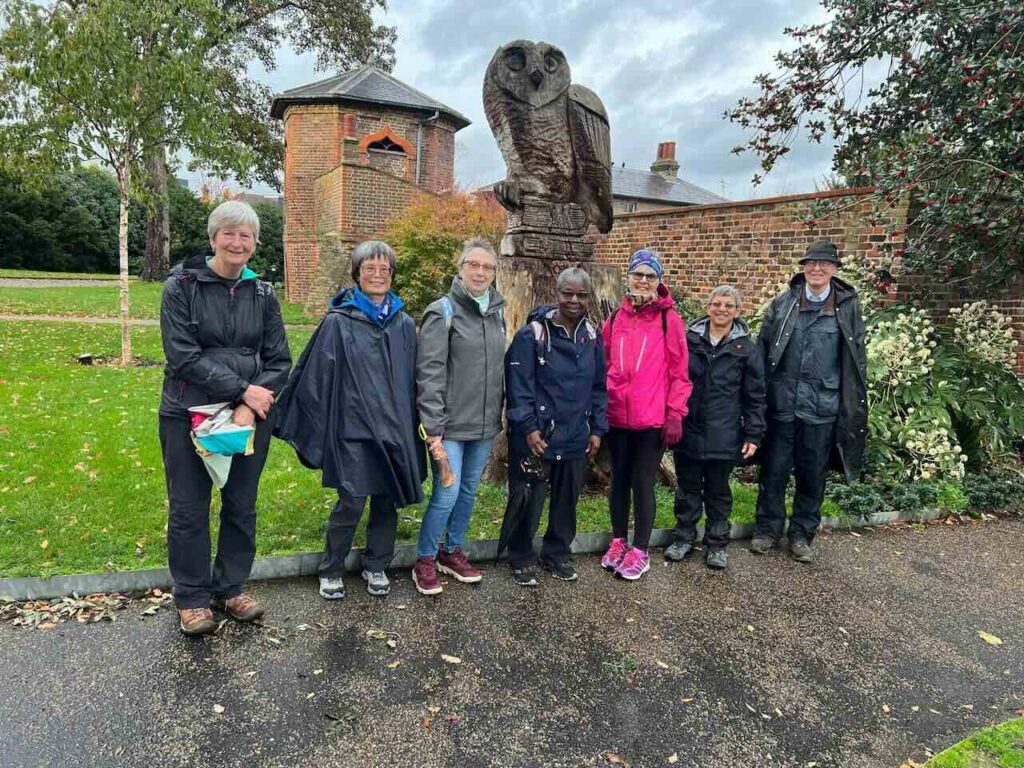
Two Polyramblers left after lunch and, as it was no longer raining, the rest of us walked around the park and the lakes. We were approached by many squirrels wanting food to store for the winter. It’s worth coming back to Valentines Park in spring or summer to enjoy the flowers but we enjoyed the autumn colours. We then made our way to Gant’s Hill station (which has a design similar to Moscow metro).
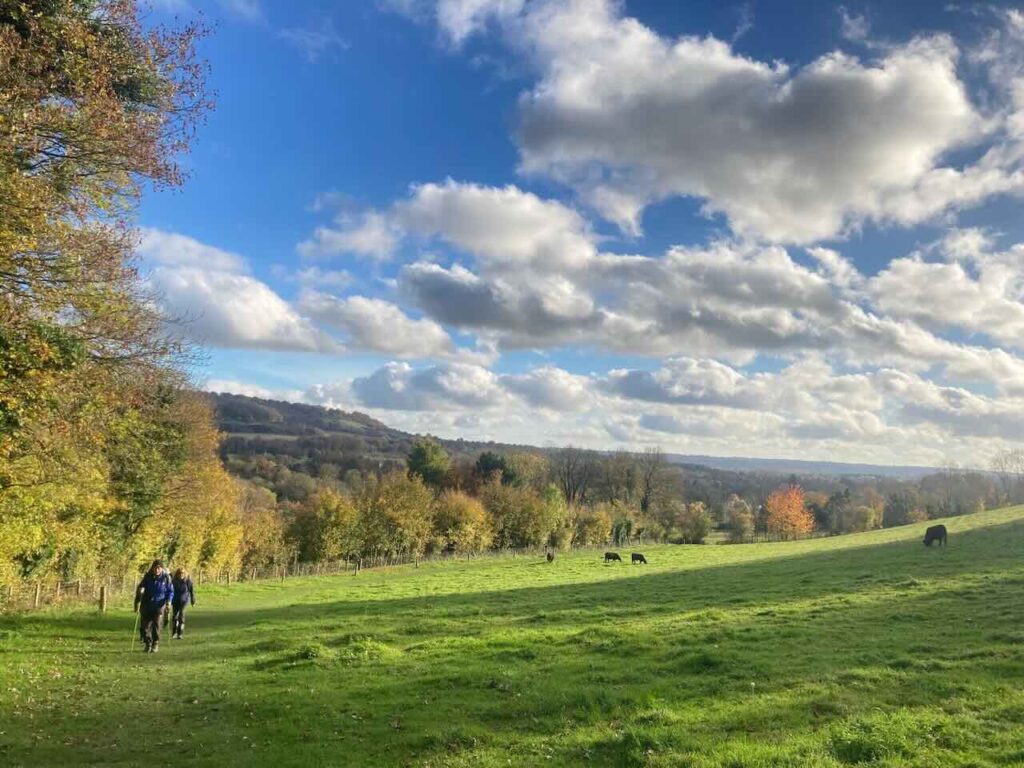
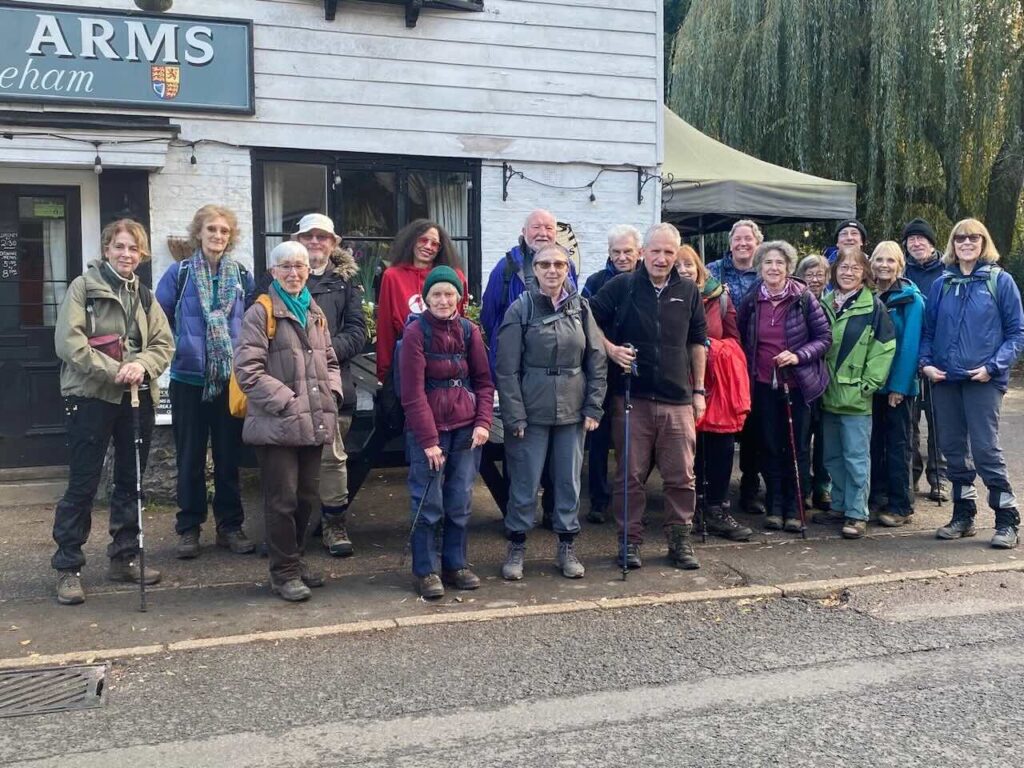
I was just about to start the briefing at Otford when snap! I manage somehow to break my glasses. Happily I can still read if I squint. Anyway, it was very pleasing to have such a big turn-out, 21 in all, on what turned out to be a fine, sunny, November day.
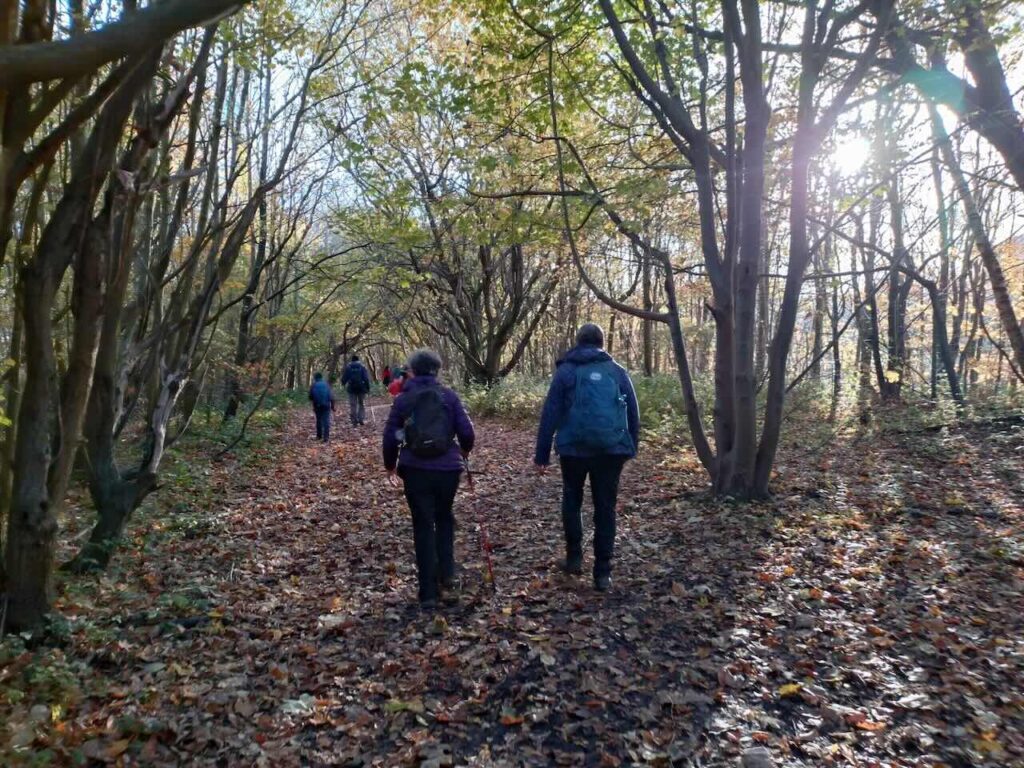
We headed straight up our first ascent; Otford Mount or ‘mud mountain’ as one of our group calls it. There were lots of leaves on the path and there was some mud but the going was pretty good really. I expect it will be a lot muddier later in the season. Then we went through some beautiful woods descending to Magpie Bottom. I had been delighted to see two Magpies there on the walkover but today they weren’t to be found – they were probably watching us from a nearby tree.
After some road walking we climbed a stile and then up another steep and very muddy track heading eventually to Dunstall Farm. The second stile is on a slope and has a very high step but we all got over it very well. Then through the farm itself, no cattle in the surrounding fields. They were all under cover and enjoying their silage as we passed them.
Then we were heading through another wood and down a long series of steps covered in leaves and quite muddy too.
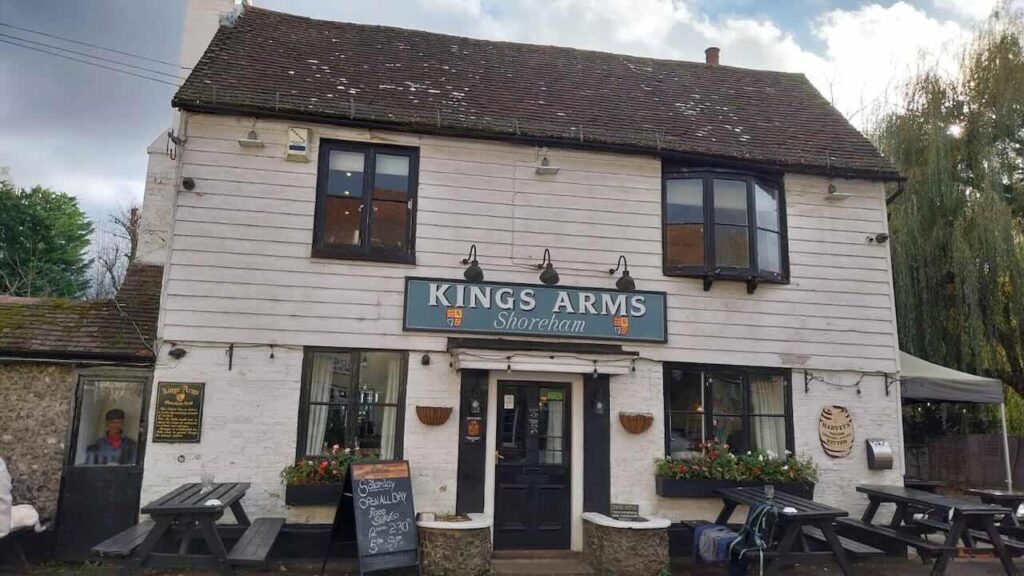
We took our time down these slippery steps arriving at a busy road just before Shoreham. Then we went through the Churchyard and stopped for lunch outside the Kings Arms where I had made a reservation. Some walkers went to the Honeypot Cafe and others had brought there own food.
When we arrived at the pub Geoffrey was waiting for us, he wasn’t able to do the walk proper because of his ankle injury but he joined us for a while on the walk after lunch. In the pub I got very agitated by the long wait for our orders to arrive. Apparently they only had one Chef today. That’s the problem with pubs sometimes!
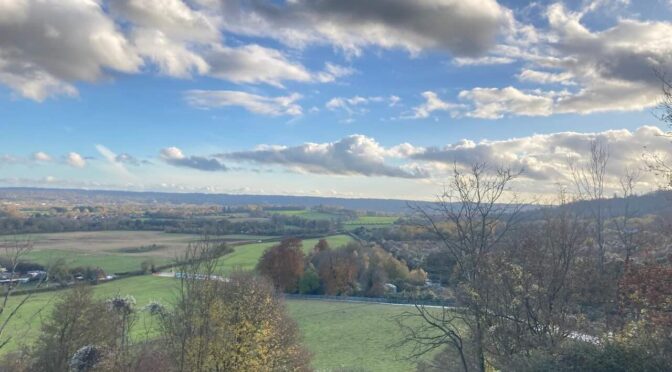
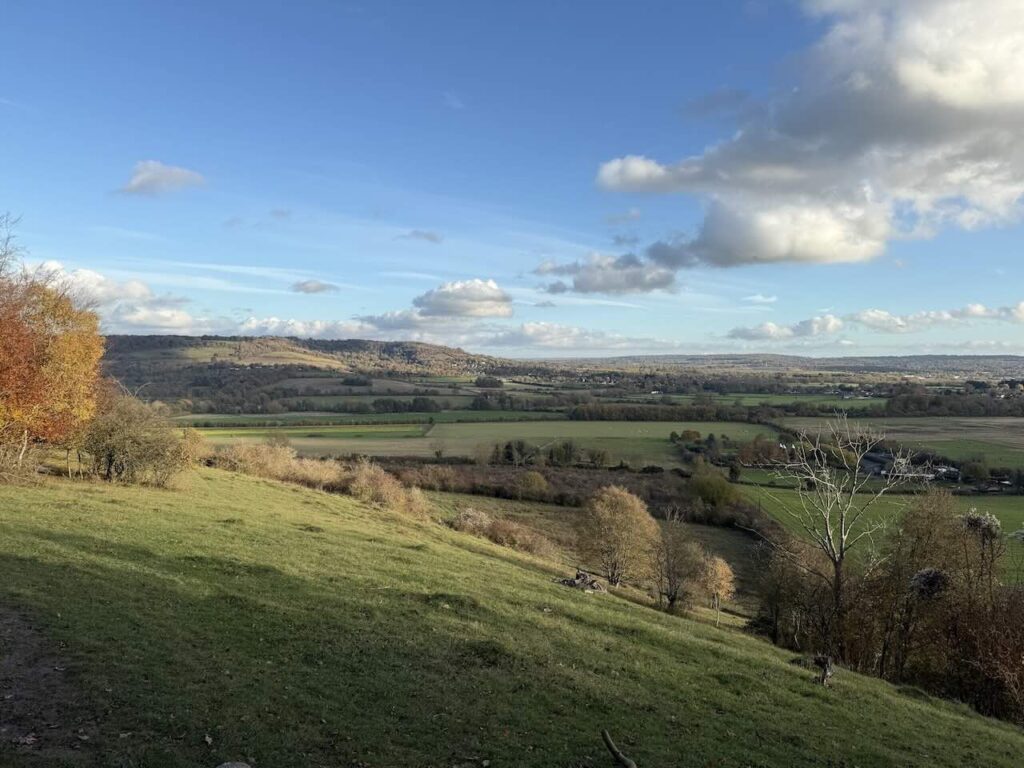
At this point two of our group headed home via Shoreham station while the rest of us and Geoffrey did the long steady climb up to the summit of the hill on the other other side of the valley. Including passing through a field of bullocks who ignored us (phew). Most of the hill is thickly wooded and it is a lovely experience walking through the woods on a fresh afternoon. Nearing the top Geoffrey turned back to avoid aggravating his ankle injury. The rest of us continued and eventually emerged from the woods. We stopped for a water break and some very fine views across the Darent Valley and beyond.
In another 20 minutes or so we were heading down a steep path with Filston Hall ahead of us at the bottom of the valley. Then it was an easy walk back to Otford along a track between fields. Soon enough we were back at the station before sunset. I needn’t have worried so much about the long lunch!
It had been a good ramble with great company and the weather had been kind to us.
Despite severe warnings about getting lost in the dark if we didn’t keep up a good pace & a very uncertain weather forecast, 15 of us appeared at Dorman’s station for the walk.
Luckily this walk got us out and into proper countryside very quickly, with little walking in built up areas and we were soon in the lovely Surrey Weald. Weald is an old English word for ‘wood’ or ‘forest’, related to the German ‘Wald’.
We skirted Greathed Manor which must have been a very grand house but is now a, probably also very grand, Care Home. The walk was undulating with lovely views over the North Downs when we emerged from woodland and could see to the North. Someone had created a Bug Hotel in the woods which seemed, in appropriate imitation, fairly grand itself. We went through woodland and some open grassland and found our way to the little village of Cowden for a lunch stop.
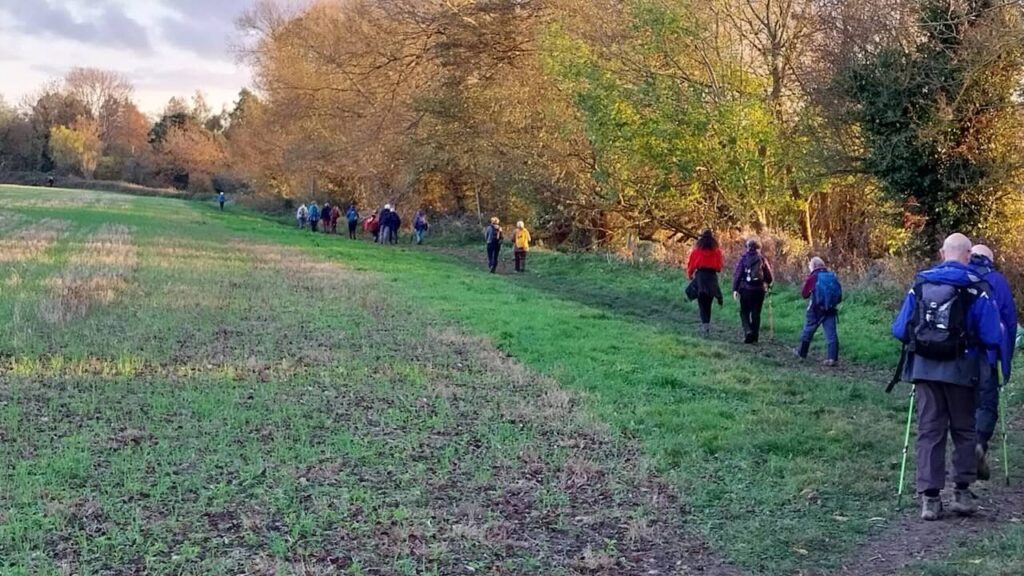
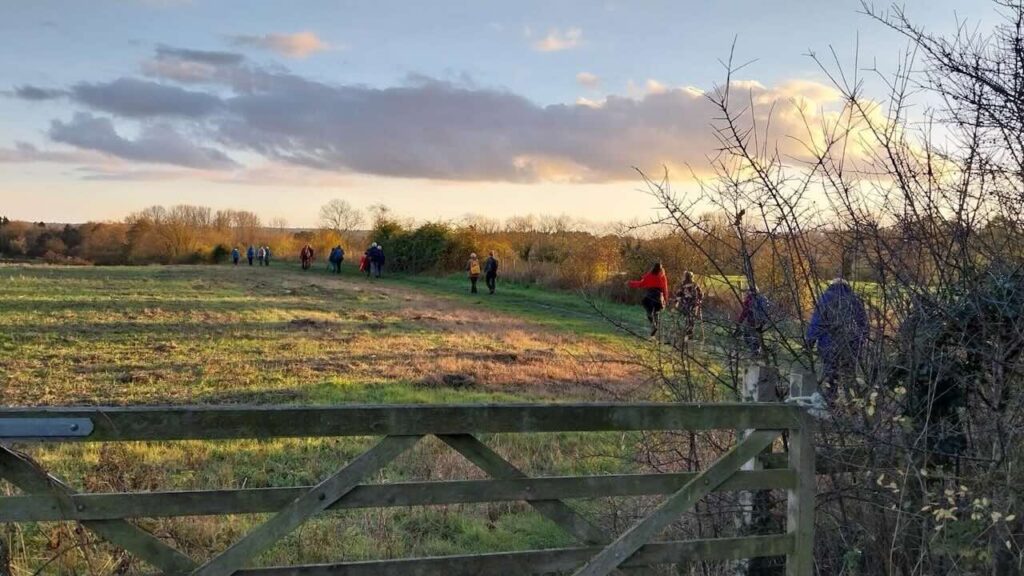
The second half of the walk was a bit more open again with lovely views and, towards the end, a lot of paddocks and horses having their evening hay. The rain kept off except for a little towards the end and we made it to the station before dark so – well done and thank you to all the walkers who came for keeping up the pace.