All posts by Chris Maslen

PETERSFIELD TO LISS   – 27th APRIL

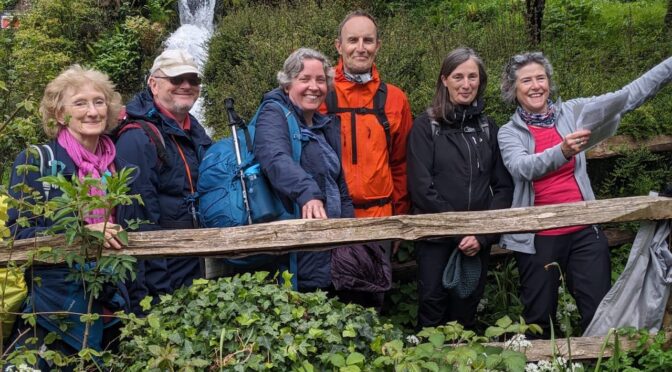
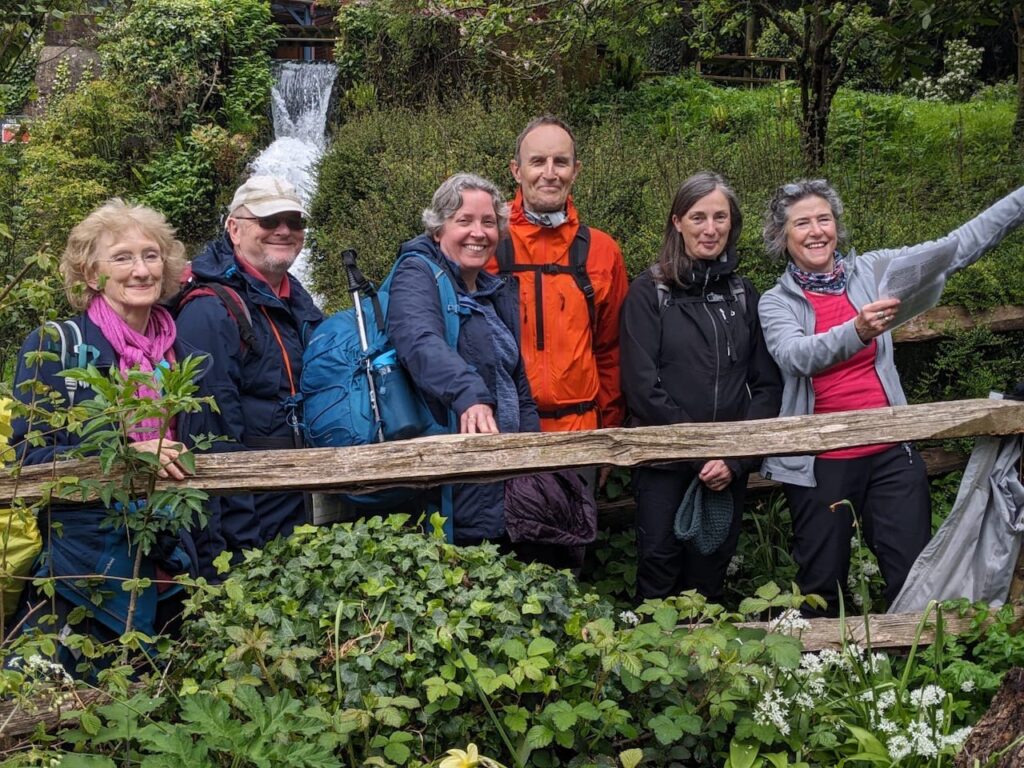
Six Polyramblers assembled at Waterloo Station prepared to brave the vagaries of  South Western’s rail replacement buses.  We were rewarded  with a direct bus from Guildford to Petersfield , where we were joined by another Polyrambler, and thus were able to start the walk earlier than anticipated.

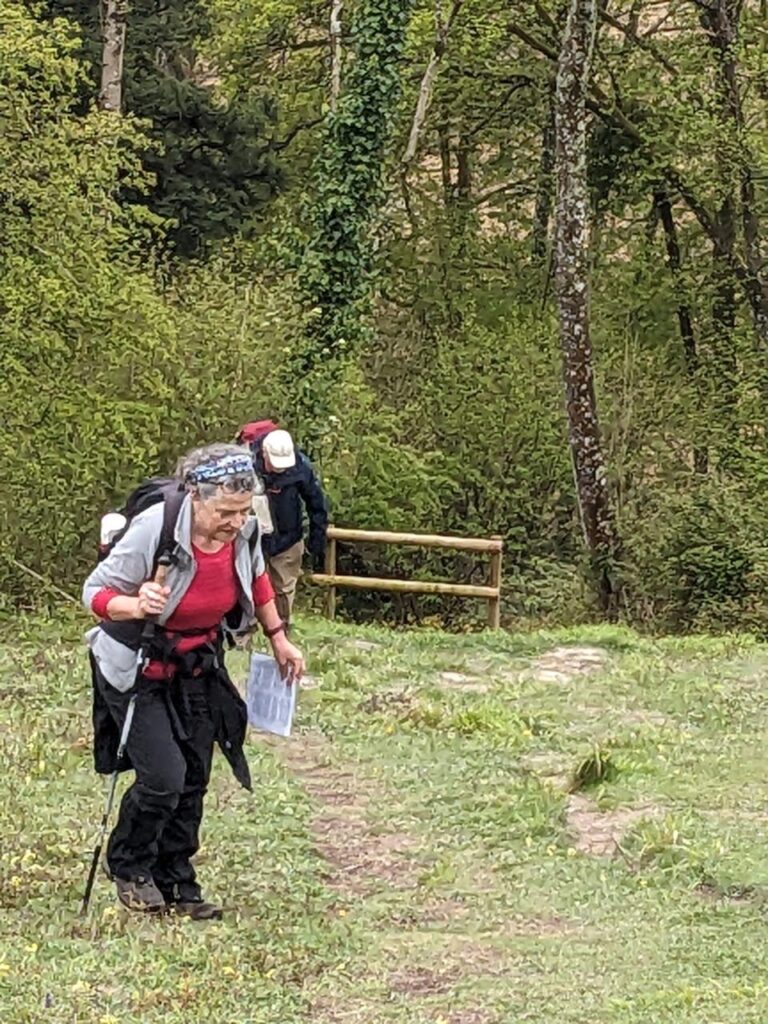
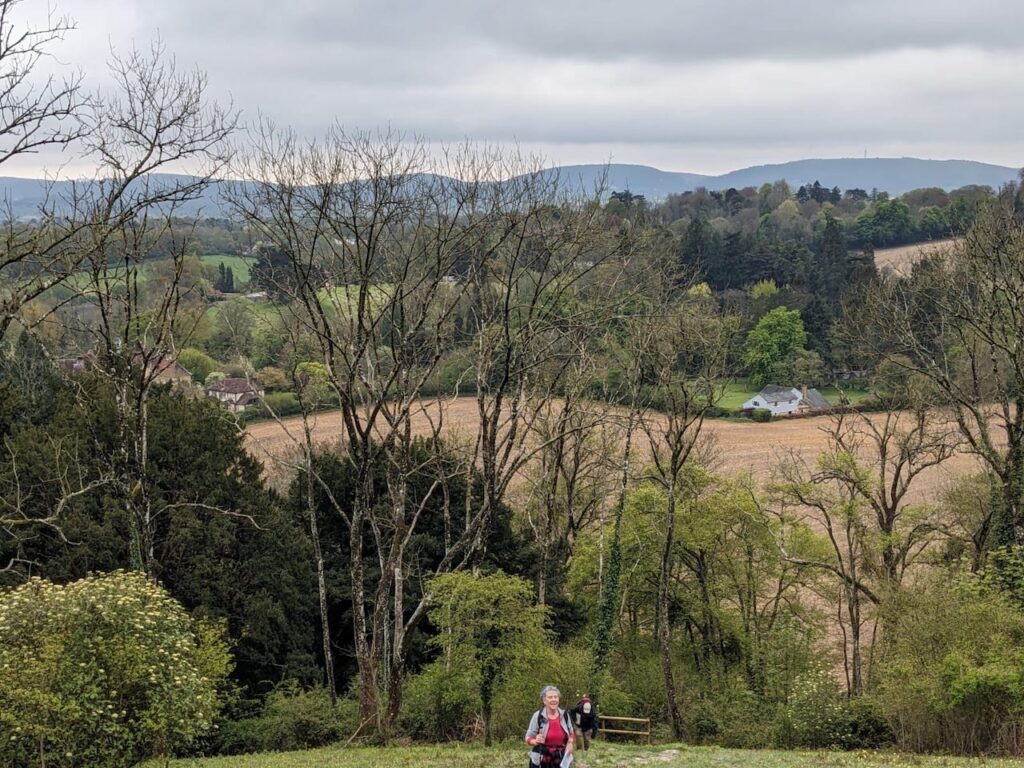
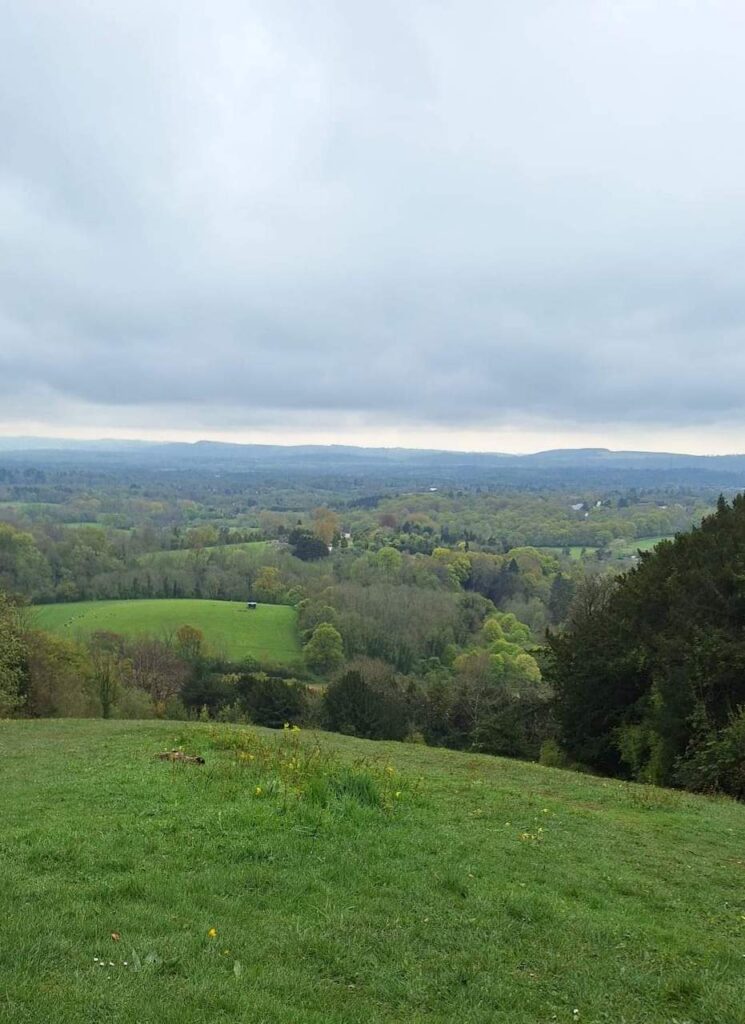
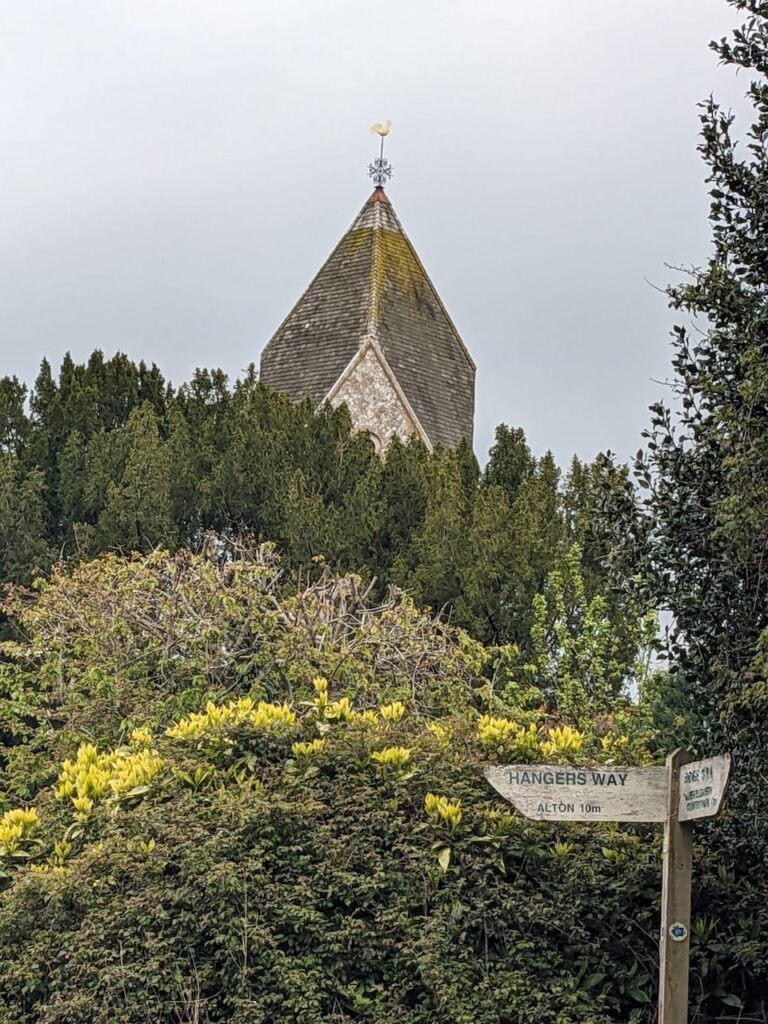
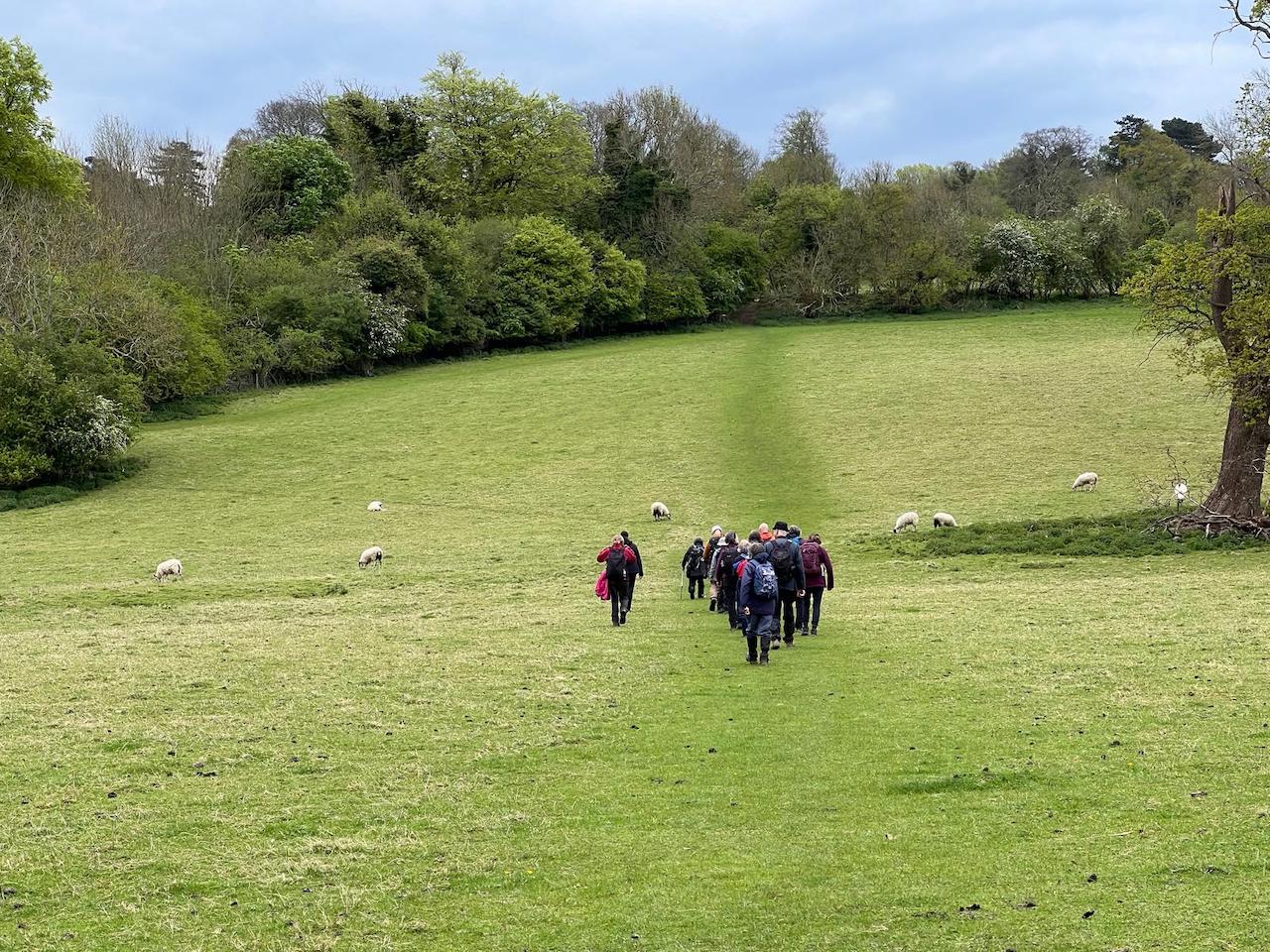
The weather brightened and we made good progress, following the Hangers Way via  the village of  Steep.  We climbed  the short but very steep Shoulder of Mutton Hill where we stopped for an early lunch by the memorial bench to the poet Edward Thomas and enjoyed a wonderful view of the South Downs. The path took us down to Hawkley  and its Inn where we stopped for a welcome  drink at the pub  before continuing on. 

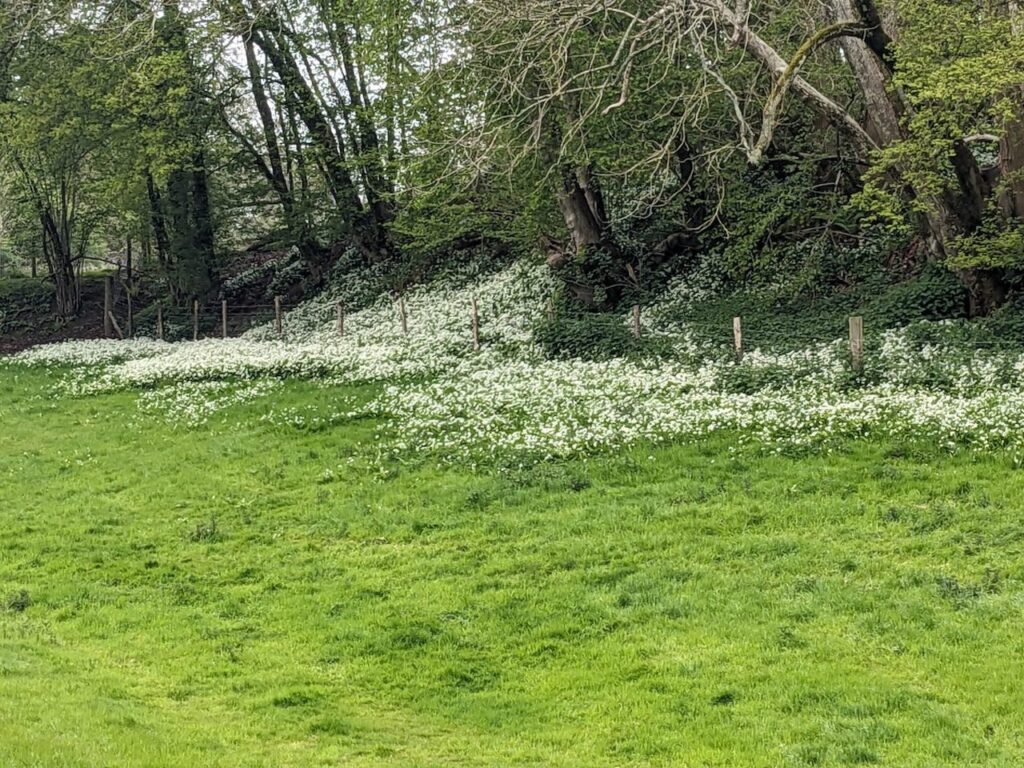
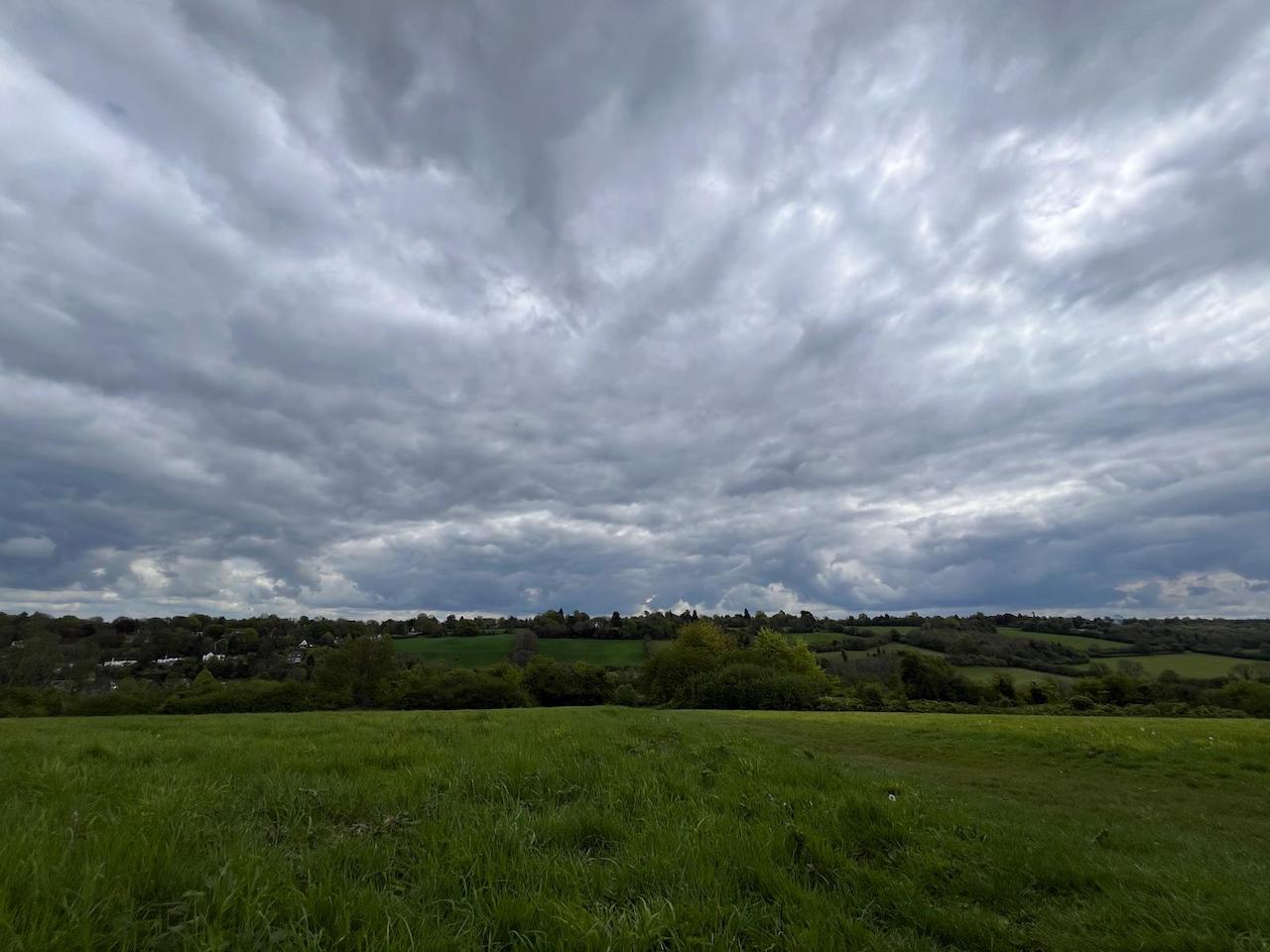
The next five miles went through quite muddy rutted paths interspersed with fields and lovely  views. The weather stayed dry until we reached Liss station when the heavens opened while we waited for the 17.38 bus to Guildford. We just made the 19.04 train to Waterloo and were all home by 21.00.

All agreed it was a lovely walk, despite the transport problems and hopefully can be put on the programme again in a couple of years once the railway engineering works are finally completed !

Rochelle

Photos by Stephen


CHIPSTEAD to KINGSWOOD – 4th May

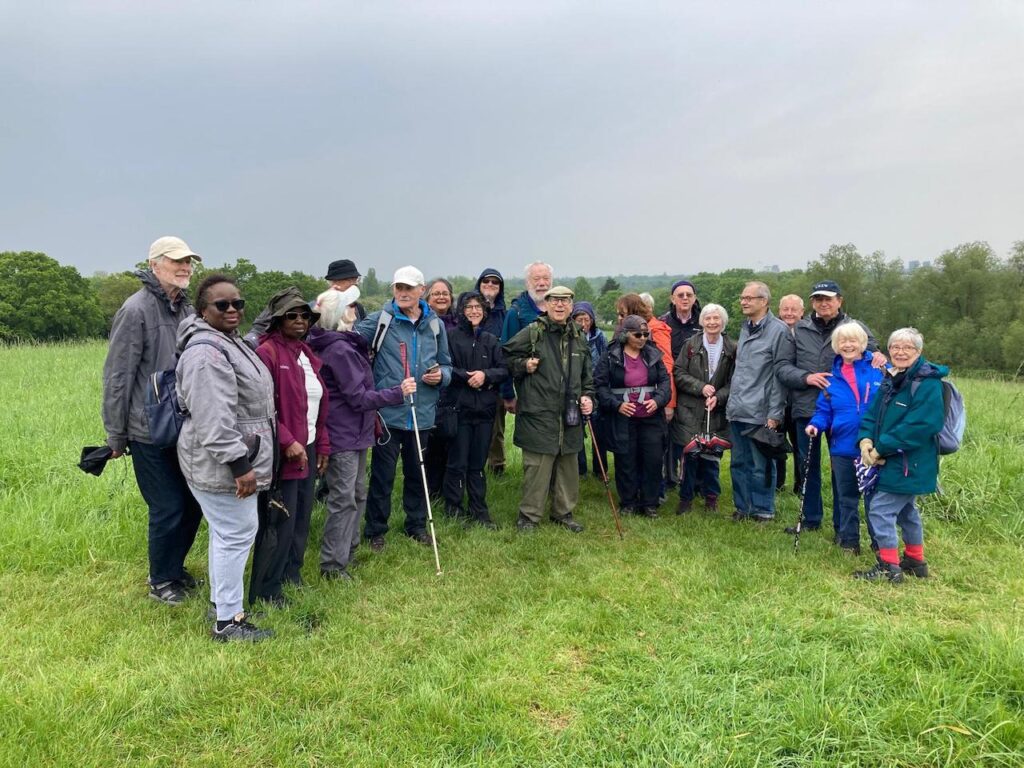
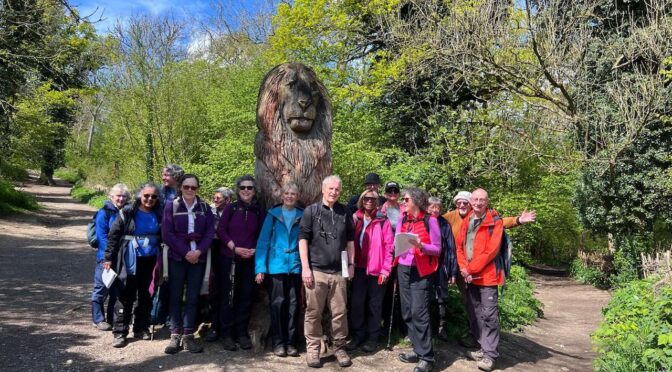
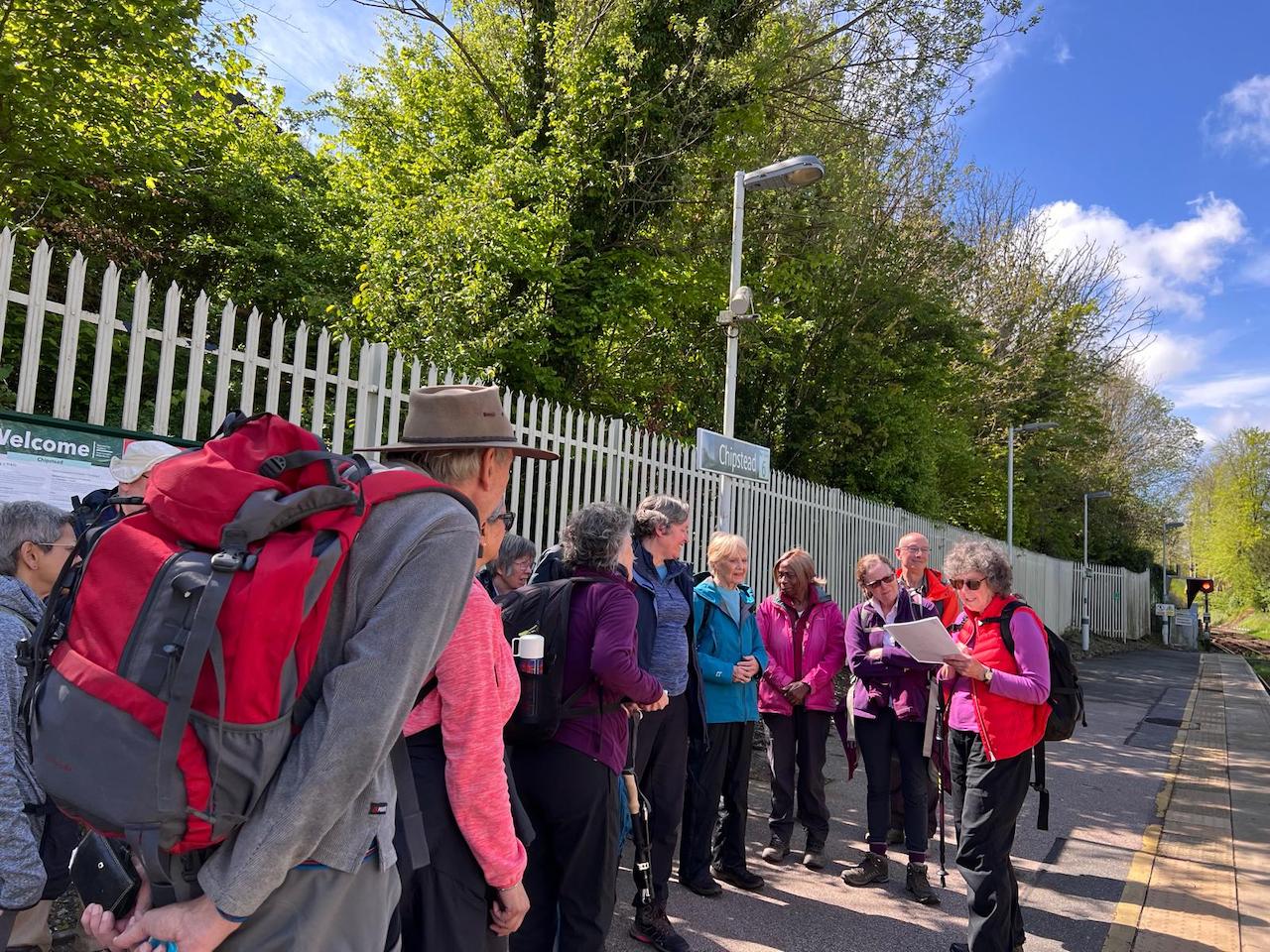
Seventeen Polyramblers gathered for an undulating  9.5 mile walk through ancient woodland, open downs and farmland in London’s Green Belt all within zone 6.

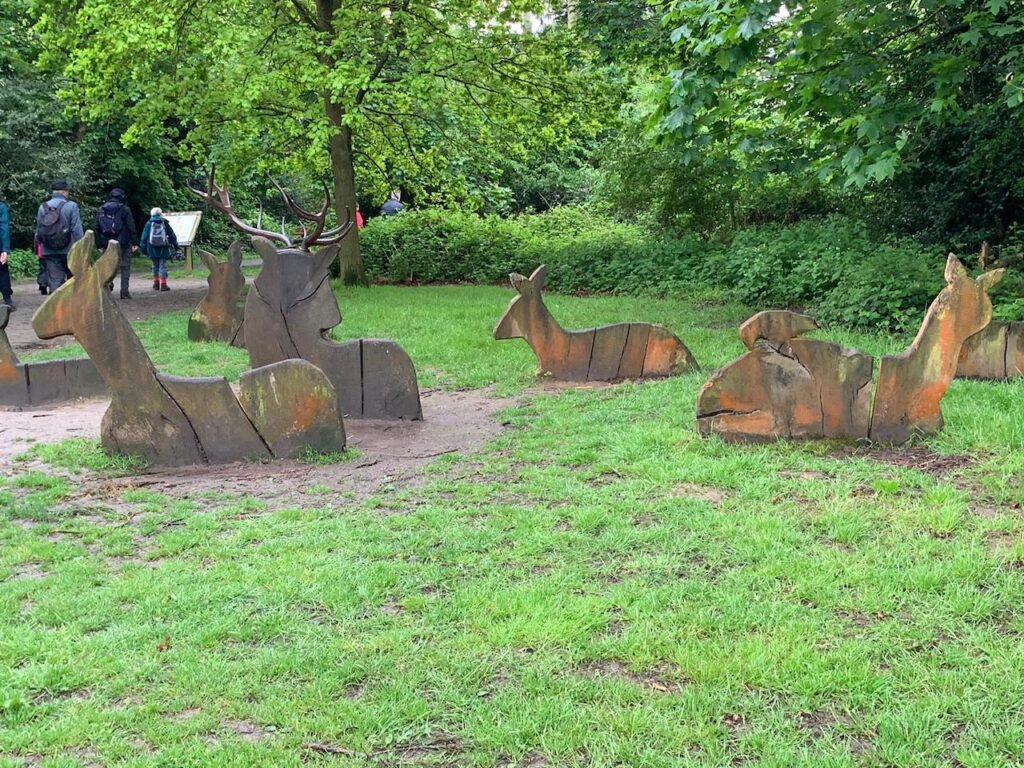
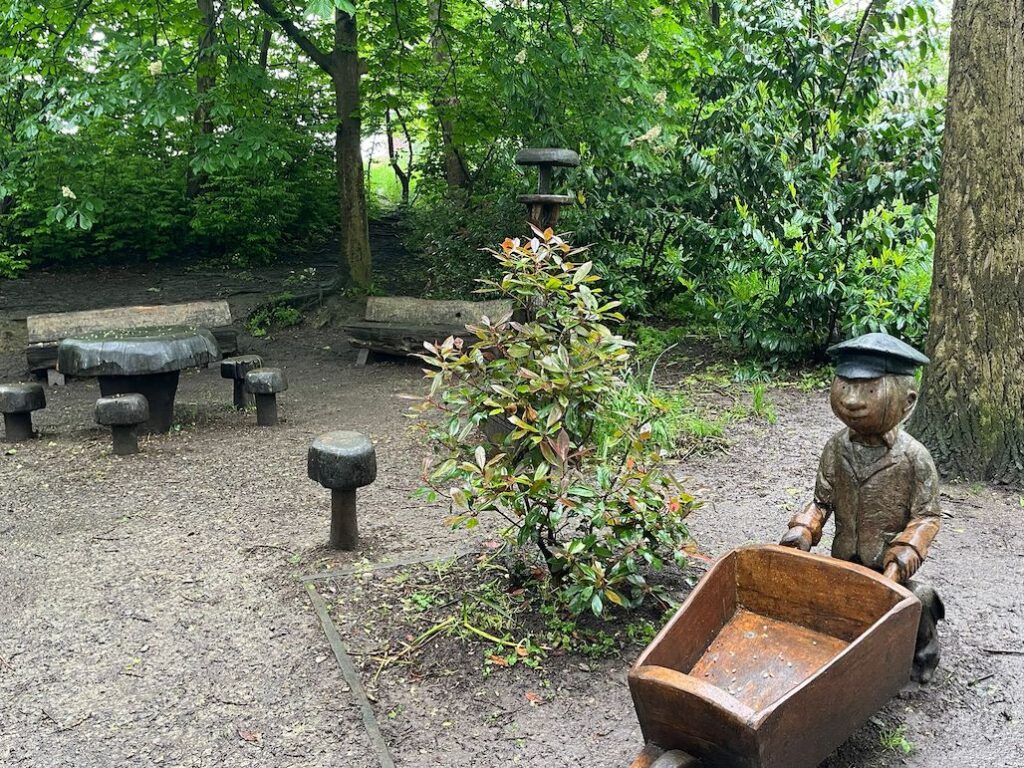
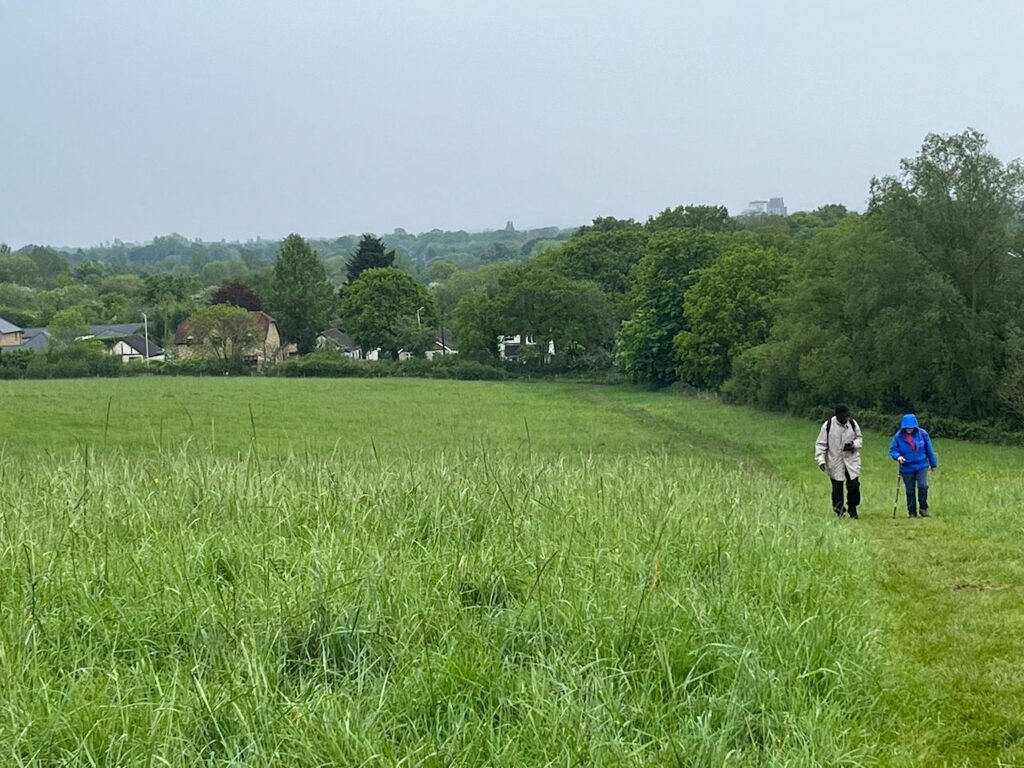
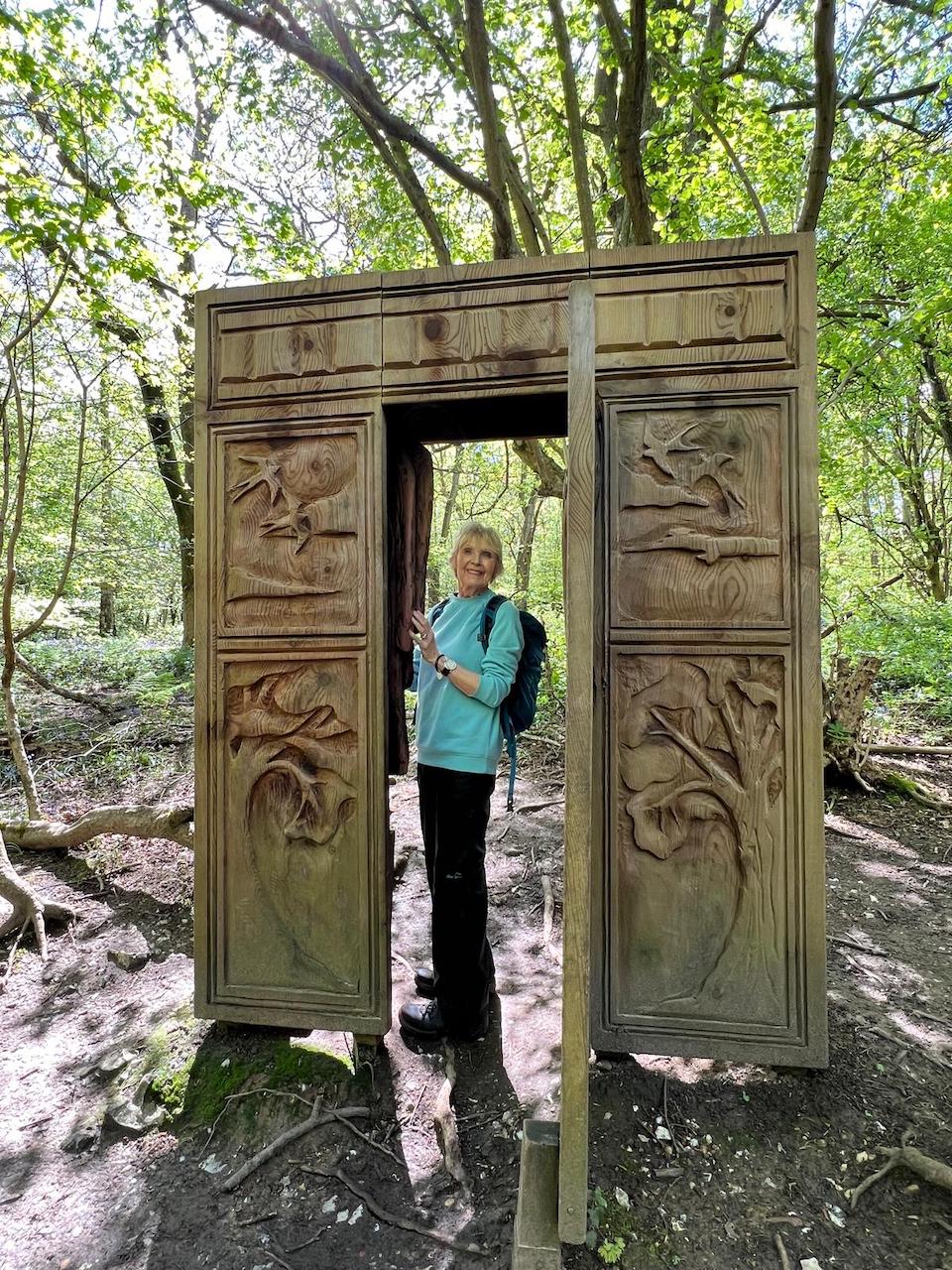
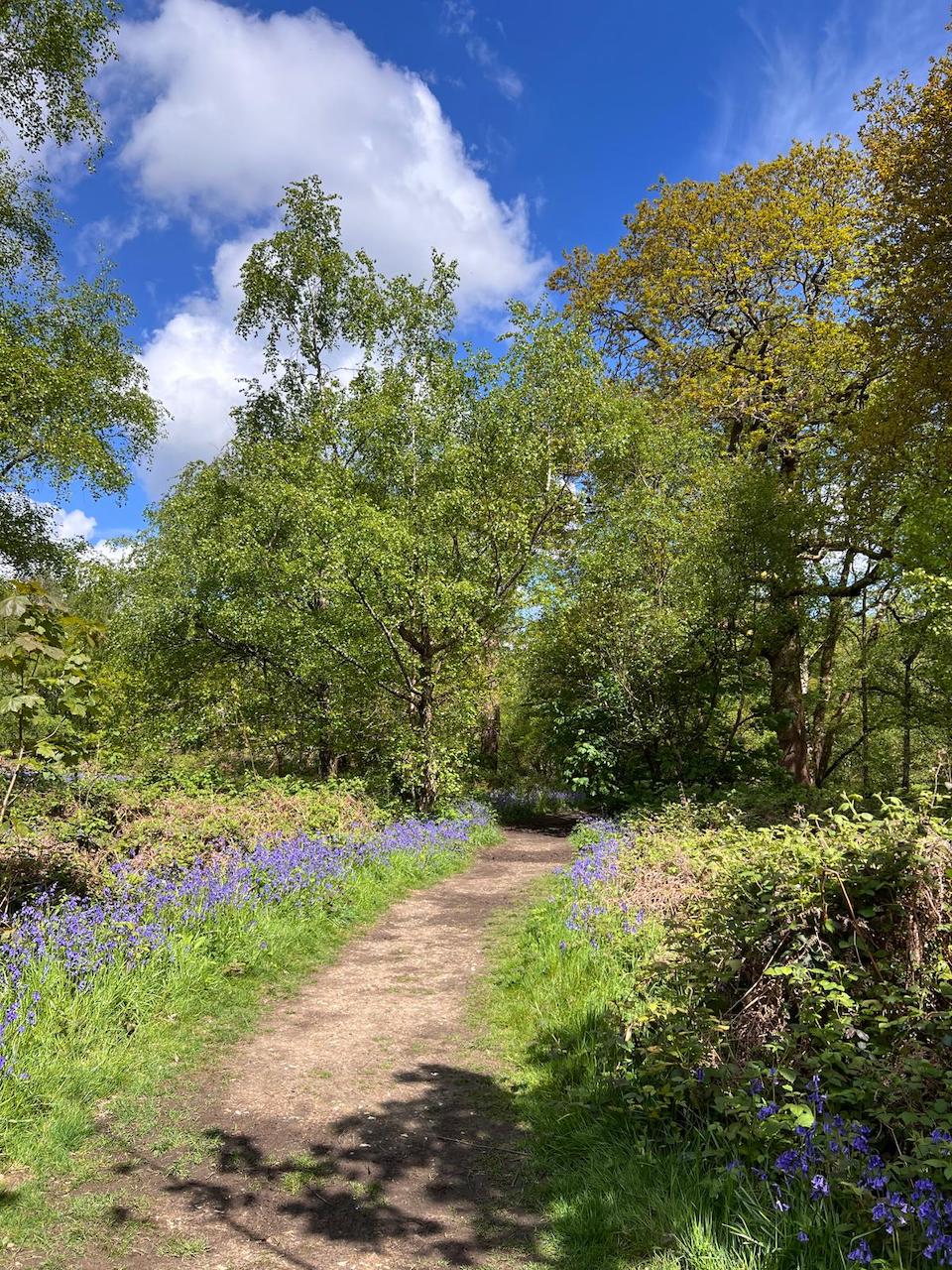
Initially we followed part of the Banstead Woods Nature Trail which is an ancient woodland full of English bluebells and containing three sculptures illustrating the C. S. Lewis Narnia books. Leaving the trail we picnicked on a grassy slope of Stagbury Downs with fine views across Chipstead valley. After carefully crossing a railway line we walked through an open valley in Shabden Park and across a golf course to the Well House Inn for a welcome if noisy drinks break. Suitably refreshed we walked through a remote area of country lanes, narrow paths and through the paddocks of Southerns Farm where two friendly donkeys came to say hello.

Our return route took us along a woodland path through Shabden Park’s Long Plantation, along the southern edge of Banstead Wood and across farmland.  We passed Kingswood House, an abandoned head office building, and reached Kingswood station for our journey home.

Thanks to Ida and Nita for the photos and to Carol for the scrumptious bliss balls.

Sunita and Jennifer 

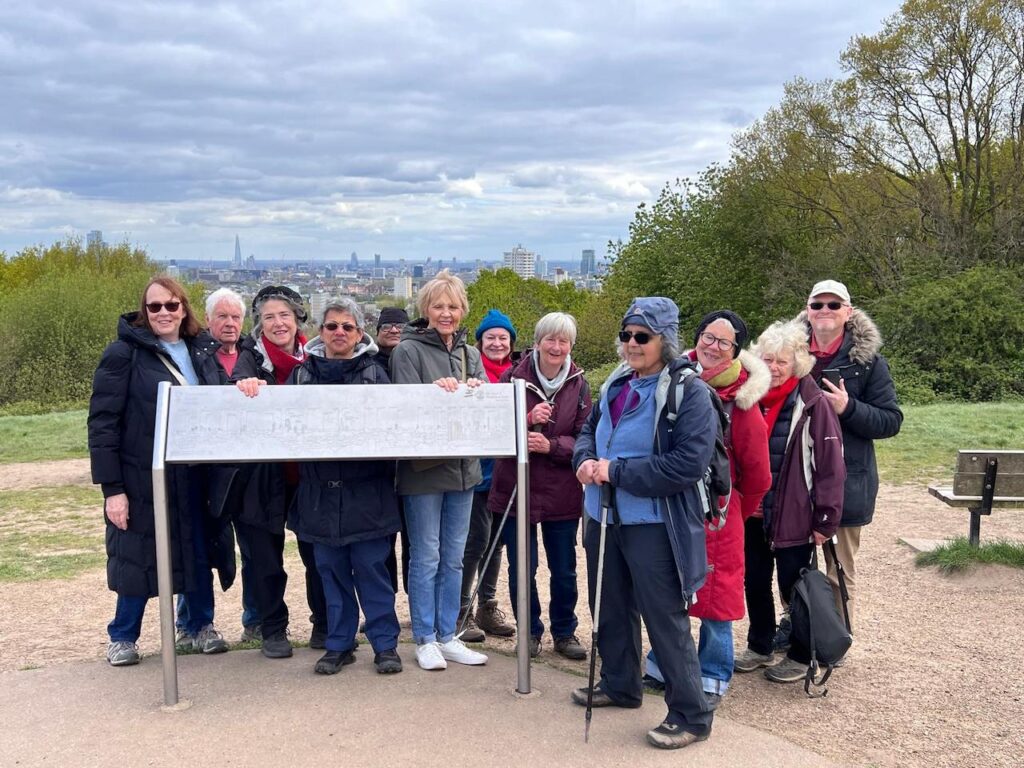
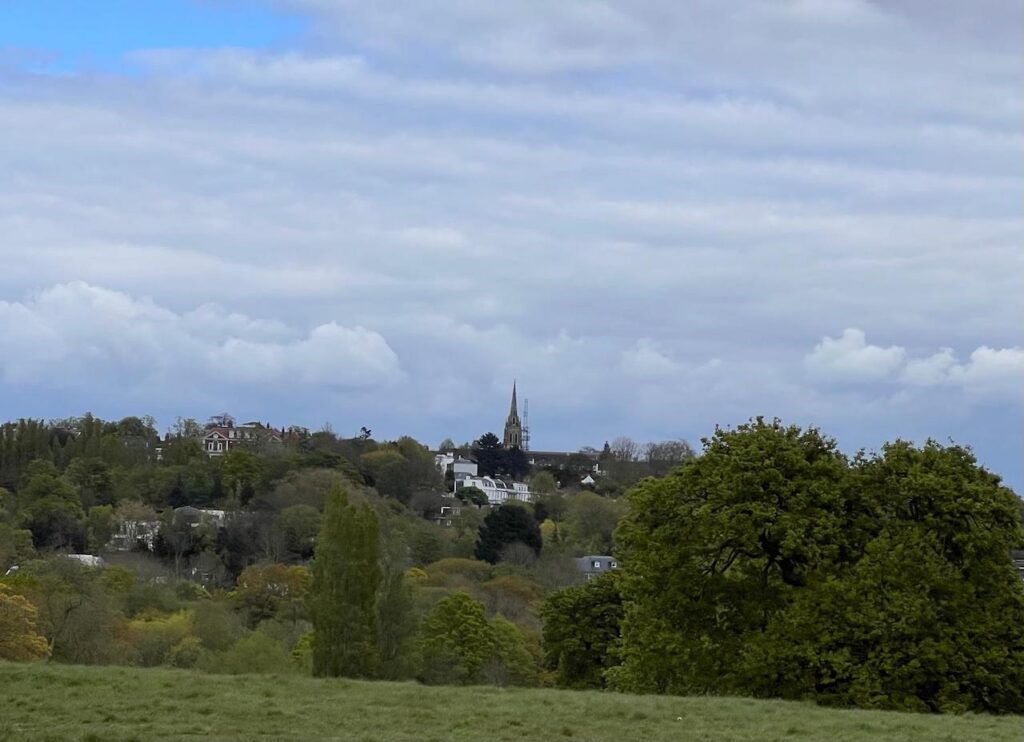
HAMPSTEAD to HAMPSTEAD HEATH – 14TH APRIL

Fourteen Polyramblers gathered for a walk through Hampstead, welcoming a prospective new member and Hilary on her first outing with us since her accident. 

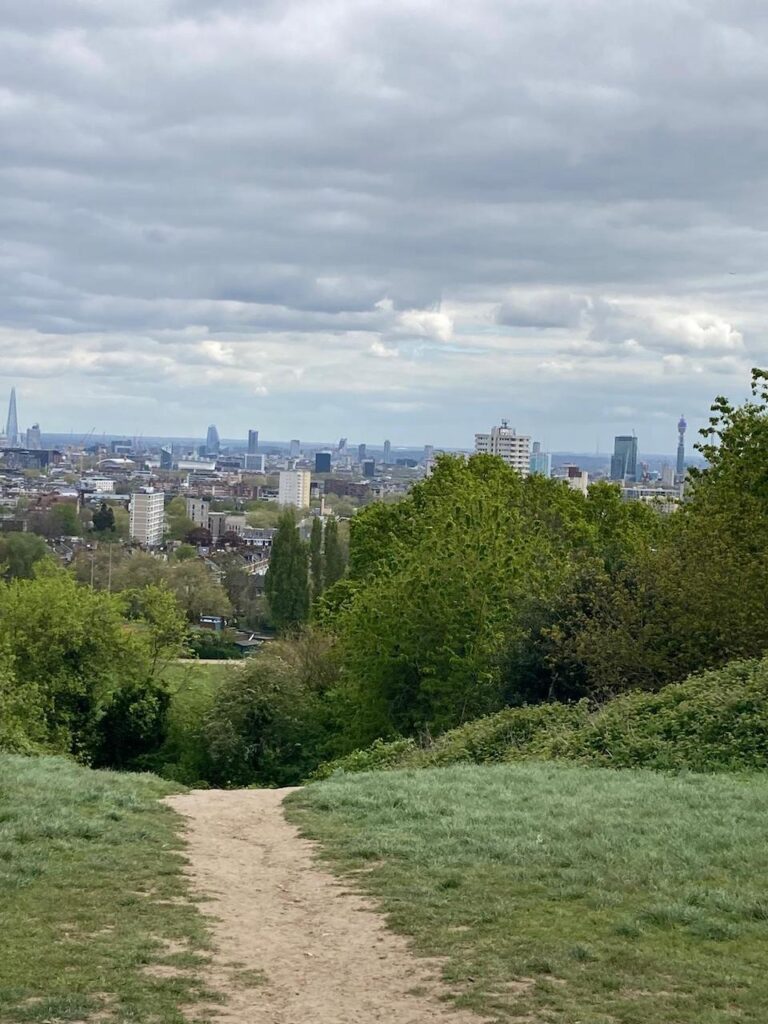
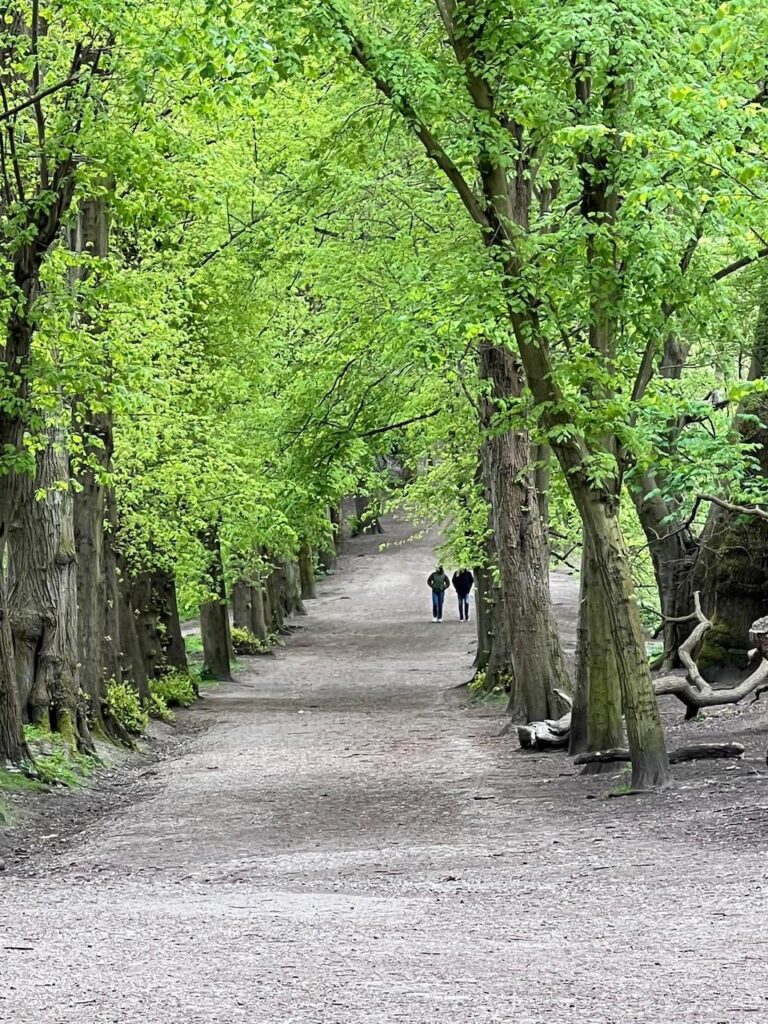
Initially we walked past several sites of interest including Constable’s tomb, Fenton House, Admiral’s House and Whitestone Pond, one of the highest spots in London, before entering the west side of the Heath. We strolled along the wisteria and vine covered Pergola and around the stunning vistas of Hill Garden before reaching the Old Bull and Bush pub where Peter led us in a spirited rendition of the music hall song.

Another stretch of Heath brought us to our lunch spot at Kenwood House where several of us visited the beautiful 18th century mansion with its first-rate art collection whilst others enjoyed the stunning grounds including a magnificent handkerchief tree.

Suitably refreshed ten of us set off to explore the Vale of Health, a magnet for centuries for artists and writers, before a final walk past architectural gems including the Modernist no. 2 Willow Road brought us to Keats House the finish of our walk.

Thanks to Nita, Hilary and Lan for photos.

Jennifer and Chris.

COCKFOSTERS TO HIGHGATE – 16TH MARCH

North to South London Trail Part 1  

Twelve Polys congregated at Cockfosters station for the first part of a new route across London from North to South: 34 miles Cockfosters to Carshalton Beeches, taking advantage of the many parks and green spaces. After a short walk through the suburbs, admiring some beautiful magnolia blooms, we negotiated some serious mud descending into the ancient woodland of Oakwood Hill Wood nature reserve where a woodpecker was hard at work in the surrounding trees. We then followed the Pymme’s Brook, a tributary of the River Lea, Trail into Oakhill Park, Brunswick Park and Arnos Park, passing the impressive Arnos Park viaduct built in 1932 when the Piccadilly Line was extended north from Finsbury Park.

We entered Broomfield Park with the remains of its, unfortunately seriously fire damaged, great house. The landscaped grounds with the original Tudor walls remain for the public to enjoy, so we stopped for lunch; either a picnic or delicious cake and coffee at the Palmers Green Community café, run by volunteers. After lunch we continued along the New River Path to Alexandra Palace station via Finsbury Gardens. This is not actually a river but a waterway opened in 1613 to bring drinking water from Hertfordshire to London. One of our members decided to return home from there, while the others took the uphill path to Alexandra Palace. 

While we were enjoying a refreshment stop Chris, who fortunately checks his phone more than the leader, informed us that Gillian, Stuart and Pam were walking towards us. We met up with them and were informed that Pam had sent a message advising of her transport issues getting to the start of the walk. The leader was mortified, but Pam was undeterred and had completed the walk starting just slightly behind us. Gillian and Stuart had been on a boat trip to celebrate the latter’s birthday. Now numbering fourteen, we proceeded along the North Parkland Walk and Highgate Wood to Highgate station. 

The other 4 sections will be offered on future programmes during the winter months when a walk in London is often convenient due to short days and uncertain weather. The leader also made a promise to ensure she checks her phone properly before setting off!

Susan

Photos by Ida and Rajesh


LONDON’S INNS OF COURT – 7th MARCH

There were two groups of walkers meeting at Temple tube station: Capital Walkers and the Polyramblers.  Some Capitals Walkers were attracted to our group, but we had to disappoint them.  Anyway, upon checking their programme, I discovered that they were doing an 11-mile walk.  Ours was 3 miles but was going to include a lot of interesting stops.  

There were 19 of us and our first stop was at Two Temple Place, a beautiful building built for William Waldorf Astor in 1895.  It’s not open very often but there is a free exhibition on glass until 21 April so we spent half an hour inside admiring the glass and the building.  Then, we started exploring the first two out of four Inns of Court: Inner Temple and Middle Temple, by going through an elaborate archway.  

We passed 16th century Middle Temple Hall where Shakespeare’s company performed Twelfth Night in February 1602 and where you can book to eat a very nice lunch Monday to Friday https://www.middletemple.org.uk/lunch . After Middle Temple Gardens, we joined the Strand, passed the premises of Twining Teas and re-entered Temple into Middle Temple Lane.  We went into Pump Court and Elm Court and then had lunch in the nice Garden Room Café.  We admired Inner Temple gardens and the Hall, Treasury and Library of the Inner Temple.  We went into Church Court where Temple Church is situated.  It is now famous for the book ‘The Da Vinci Code’ and there is an entry fee unless you go for a service.  The round section of Temple Church was built by the Knights Templars in 1185 and the chancel added in the 13th century. It is shared by Middle and Inner Temple. 
After a short detour into Hare Court, we went into Chancery Lane, passed the old Public Records Office – which is now part of Kings College – the former Law Fire Insurance Office and the Law Society building.  Then it was into Carey Street and the Silver Mousetrap shop (1690), the Seven Stars pub (1602) and the entrance to Lincoln’s Inn.  We admired the gardens, hall and library and the Ostler’s Hut, designed by George Gilbert Scott in 1852. It is London’s smallest listed building. It was essentially a porter’s hut. An ‘ostler’ was someone who traditionally looked after horses.  The next stop was Lincoln’s Inn chapel undercroft and the beautiful chapel whose foundation stone was laid by John Donne in 1620.  We admired the coats of arms of the treasurers of Lincoln’s Inn over the centuries – the Treasurer being the most senior position at the Inn.  

Continue reading LONDON’S INNS OF COURT – 7th MARCH