All posts by Gillian

EAST GRINSTEAD CIRCULAR – 14 MAY

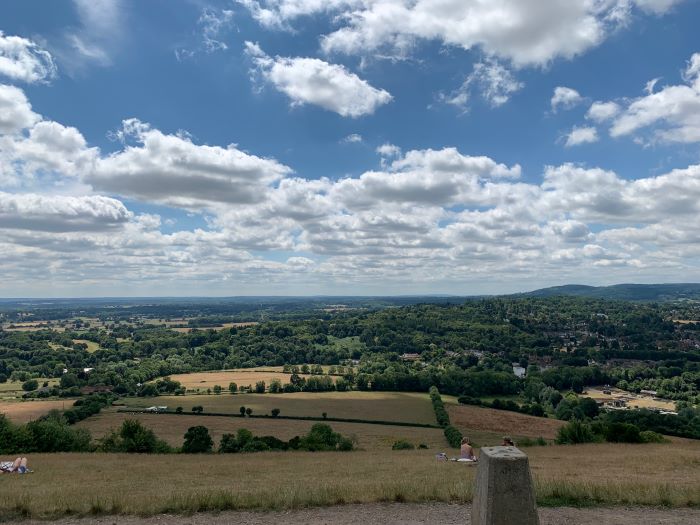
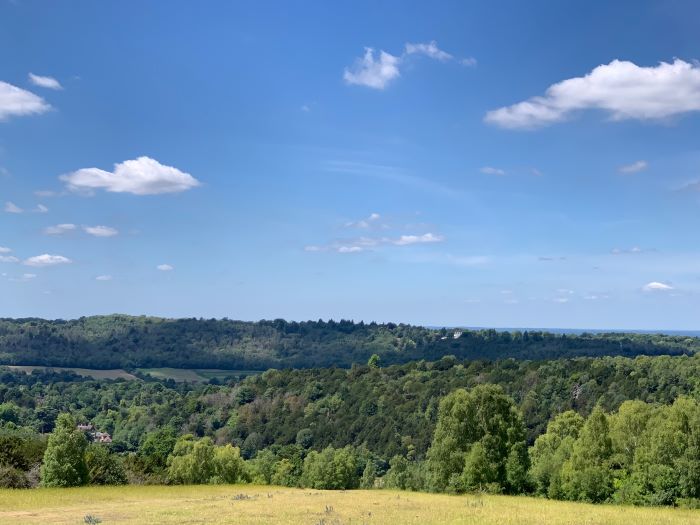
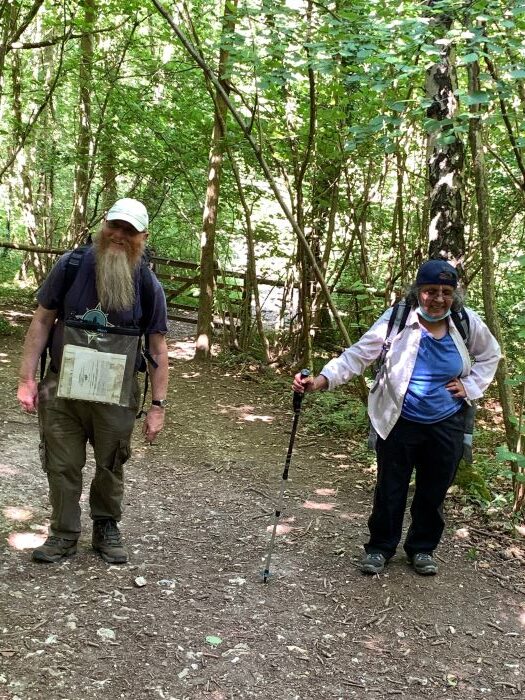
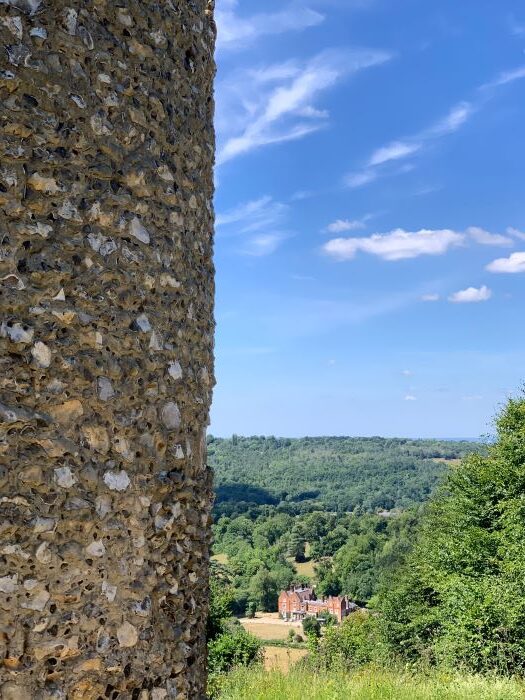
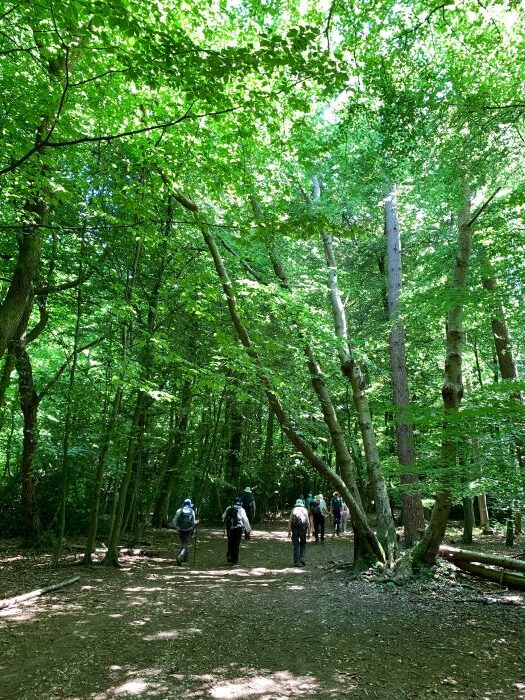
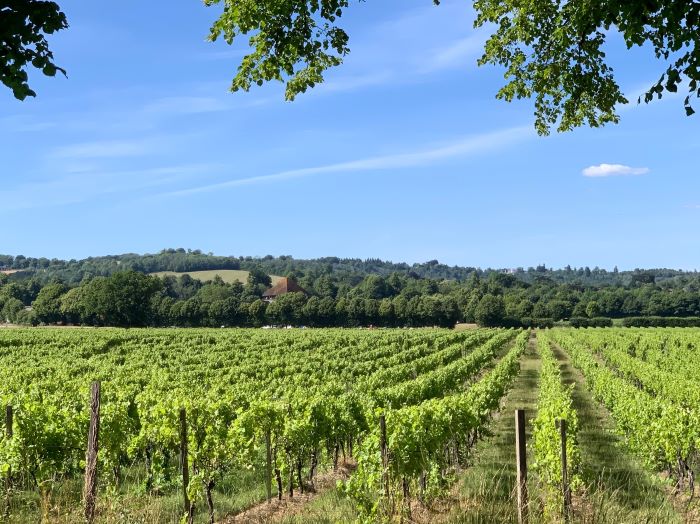
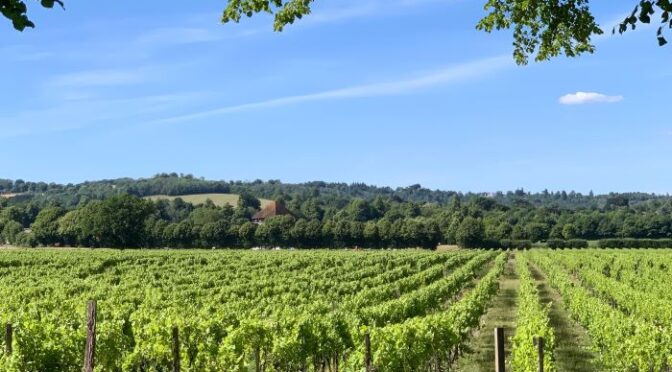
On a truly beautiful morning, 9 of us arrived at East Grinstead. The first bit of the walk almost took us back in time, beginning with tarmac pavement by a noisy road, then a quiet road, then a path, a track & eventually the slightly trodden grasses across a field which told us that other beings had been there. We had several lovely sightings of Weir Wood reservoir sparkling in the morning light, we passed a farm where they were preparing for a wedding celebration & someone warned us of a swarm of bees nearby & then we skirted the water, half in fields & half in light woodland.
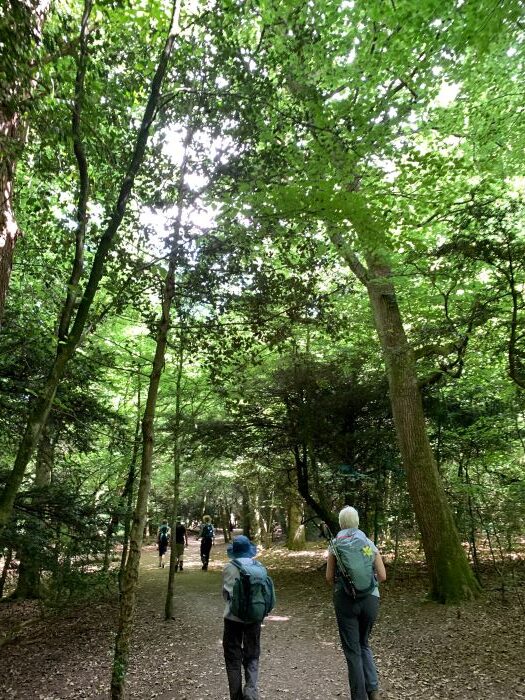
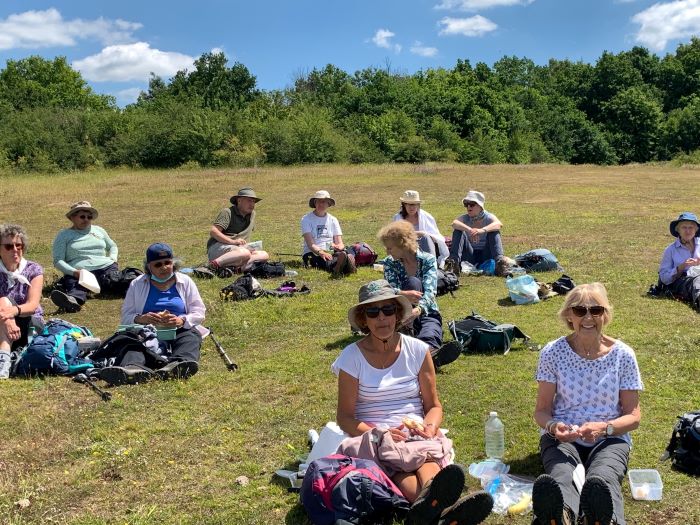
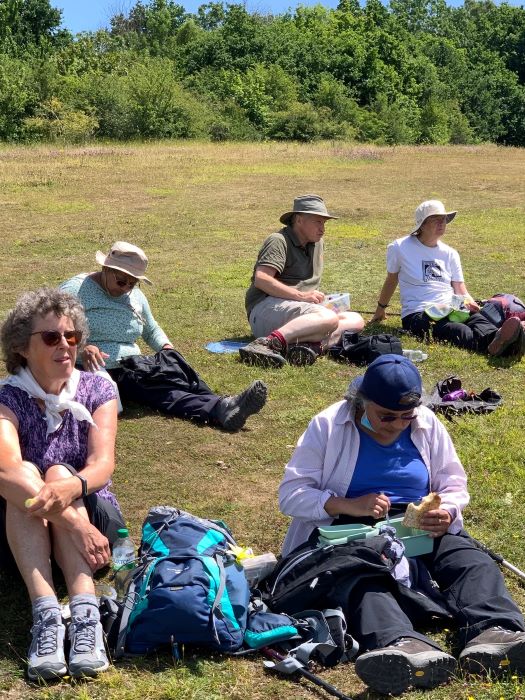
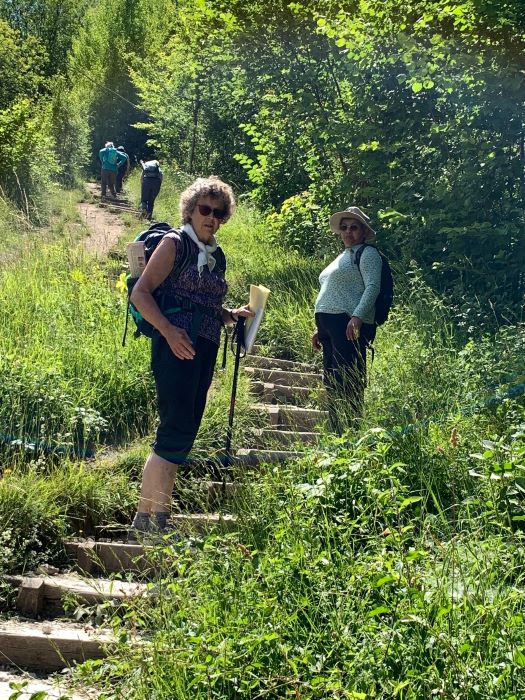
It was all very quiet with few people out on that lovely morning apart from ourselves. At the Stone Farm Rocks (SSSI), there were a few young people trying to climb them or just enjoying being there but really, until we hit the Cat Inn at West Hoathly, we had the world almost to ourselves. After lunch in the churchyard & swift pints in the pub, we climbed up past Gravetye Manor & walked in the cool, mostly deciduous woods enjoying the sunlight through the trees & the early summer smells. It was a mixture of meadows & light woodland after that until we hit Worth Way, the old railway line that goes to East Grinstead station so there was no horrible road-walking at the end to spoil the day.

Harriet.  Photos by Geoffrey

WEST DRAYTON AND CRANFORD COUNTRY PARK RETURN – 7 MAY

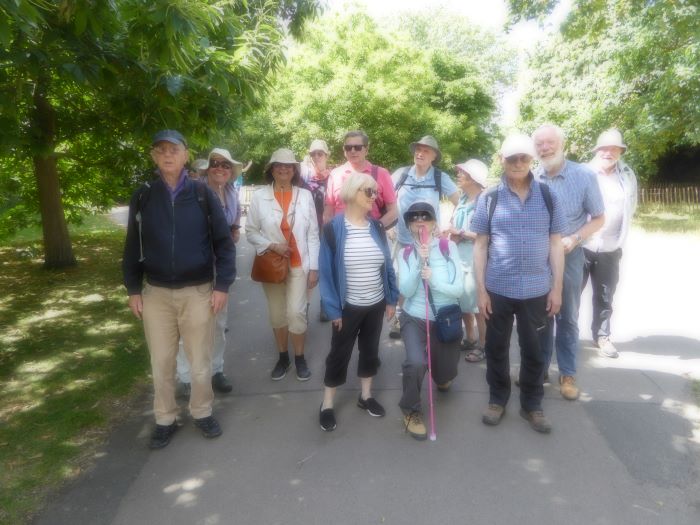
There was a group of 6 Poly Ramblers and myself who met outside West Drayton station on the day leaving around 10.15am. Unfortunately it was a wet and dismal day but nevertheless we did the walk there and back, rain not being so heavy although it did not brighten up until we finished it and ended up at my house for tea. One of the walkers cut the walk short at Hayes to get his train back but the rest of us continued to the end.

The walk was largely uneventful but I gave the background to the park which has no toilets and café facilities there as the council had demolished the old manor house which stood there around 1945 after the end of the last war as the council could not afford to keep it under repair. The old coach houses are still there and the clock above it and I told the group that lottery funding had been given during lockdown to refurbish the coach houses and cellars beneath and hopefully the toilets and café/visitor centre, which was all closed and neglected, would be reinstated. We were lucky to do the walk the day we did for as we entered the park the council had put a sign up saying the renovation works would start on 9th May and then there would be no access to that main part of the park where the seats, coach house site and other things were. We took our picnic lunch in the area on the seats in front of the coach houses. I told the group that during lockdown 2021 when I had done the first walkover an archaeology group had excavated the area near where we were sitting to find the remains of a former manor house there and had found historical remains going back to 17th century or earlier. This was the same group which has been excavating the grounds in Marble Hill House, Twickenham.

I showed the group where the community orchard still is and the placards showing the large number of different varieties of apples and pears. The blossom had largely fallen from most of the trees due to warm spring and now the rain. It was noted on these that the trees remaining now had been planted by someone in the community in 2003 but these replaced several earlier orchards going back as far as 17th century similar to the original remains found on excavation to find the earlier historic house.

We got back to my home around 4pm for tea and home-made fruit cake (delicious cake – Editor). Geoffrey and Chris  left the earliest to get back to West Drayton station where Geoffrey had parked his car  but Stuart, Gillian and Andrew  left to get back by bus and other routes.

Val Evans.  Photos by Stuart and Gillian


Isabella Plantation and Historic Houses – 30 April

Twenty four Poly Ramblers met at Richmond station and crossed the Green to reach the first of our historic houses, the remains of Richmond Palace. Sandy recounted that Elizabeth 1 died here necessitating a courtier to ride to Scotland to inform the future James I of her demise and consequently the union of the Scottish and English crowns.

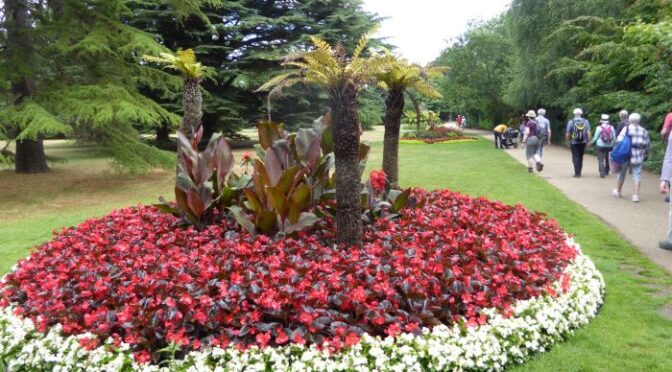
We then followed the Thames towpath upstream through Petersham Meadows, entered Richmond Park and walked onward to the Isabella Plantation. It is a gamble to choose the date of a walk based on seeing flowers but we were lucky and the rhododendrons were spectacular. After picnicking close to the Silent Pond we left the Plantation and Park and walked through Ham Common Woods. Passing between Ham House and a polo match we returned to the riverside and took the ferry to the other bank of the Thames.

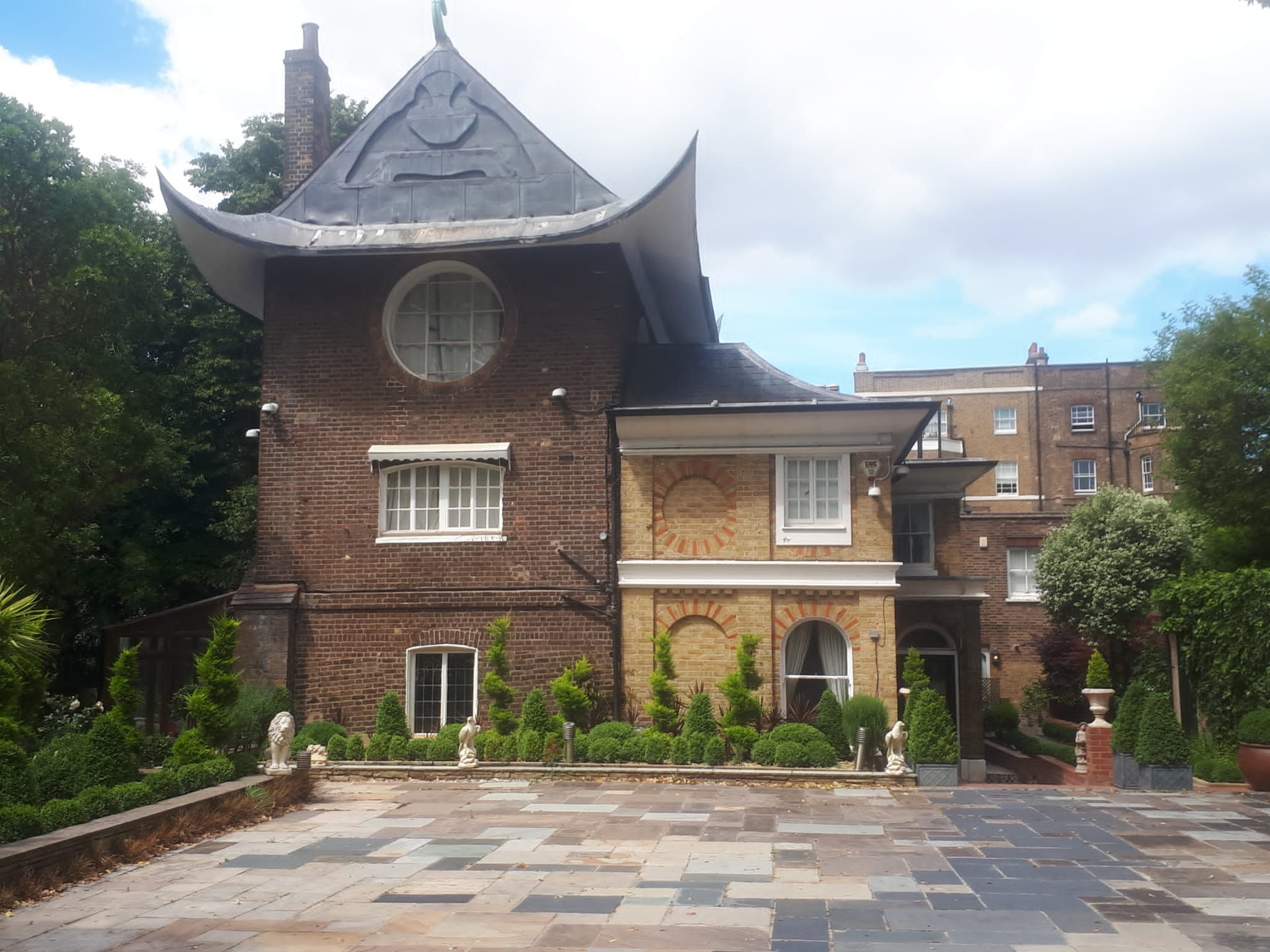
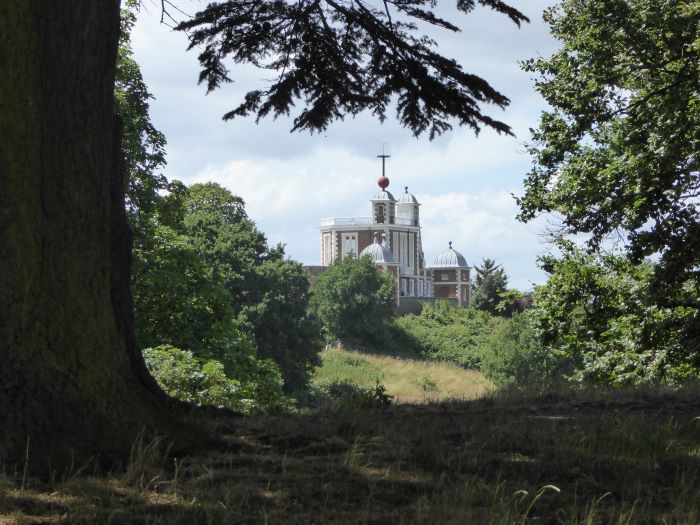
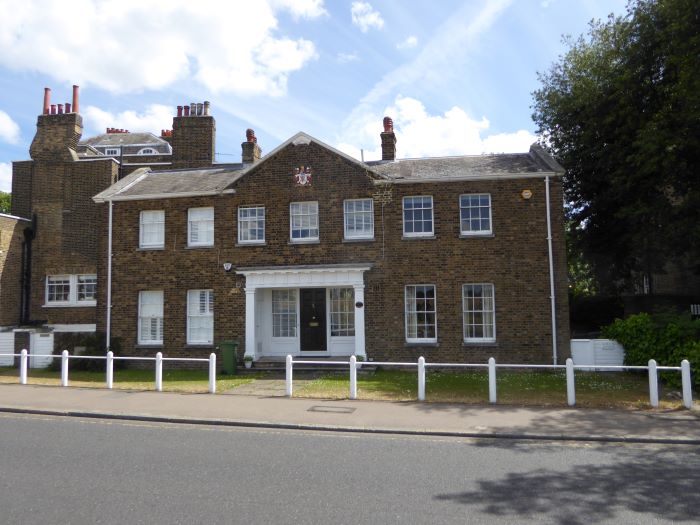
Patricia, who is a resident of the area, led us to Orleans House named after Louis Philippe, Duc d’Orleans where we admired the extravagant baroque style Octagon Room. After looking across to Eel Pie Island, famous in the 50s and 60s for its jazz and blues sessions, and reading the quotes from Twickenham’s favourite son Alexander Pope engraved on surrounding benches we entered the riverside gardens of York House home to the rockery and water cascade known as the “Naked Ladies” or “Oceanides”. Our walk finished alongside the Palladium villa, Marble Hill House, built for Henrietta Howard the official mistress of king George II, not currently open to the public.

A huge thank you to Patricia for sharing her local knowledge and providing tea and flapjacks in her garden and to Ida and Stuart for the photos.


Sunita and Jennifer.

NOTTING HILL EVENING WALK – 27 APRIL

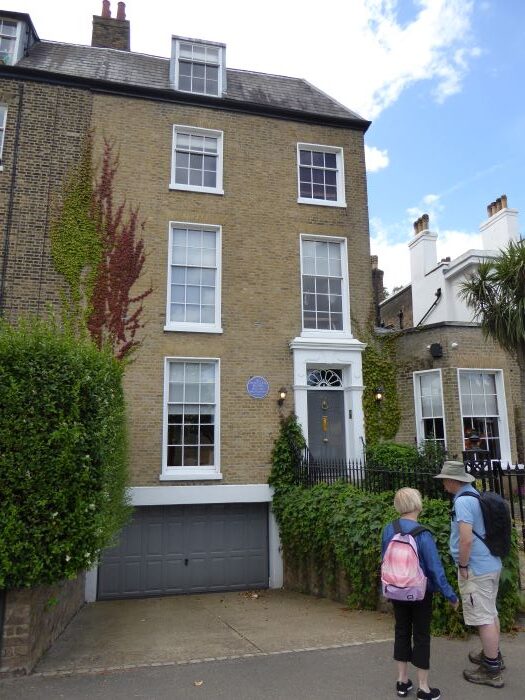
What was the Hippodrome Racecourse , potteries and piggeries in a notorious slum area, is now a world-known neighbourhood with beautiful and colourful houses alongside council estates.  Notting Hill Gate is known for its carnival, Hugh Grant film and the Portobello Road market which began in the 1860/70s.  Ten of us set off from Notting Hill Gate tube station to explore the area.  From Pembridge Gardens, we went to Portobello Road.  The beginning of the road is lined with very pretty, colourful houses with nice front gardens.  We passed a few mews, but their entrance was not as impressive as the arched entrance to Pencombe Mews.  We made a pit stop in the purpose-built toilets in Westbourne Grove then headed towards All Saints Notting Hill & St Michael’s North Kensington.  The church has an interesting history and the Reverend Dr Samuel Walker who began its build, had very ambitious plans, intending to crown the tower with a spire as lofty as that of Salisbury Cathedral.  The marshy ground put a stop to his plans.  We would see this church a few more times on the walk to the amusement of the walkers.  We continued towards the Tabernacle – a Grade II-listed building built in 1887 as a church – and Vicky persuaded us to go in.  We received a warm welcome from two QPR and Fulham supporters who told us about the history of the church and its impact on the community and the carnival.  We passed the Ledbury but did not stop for dinner (tasting menu £185 and matching wines £120).  We headed towards Elgin crescent.  As we walked west along this street, the houses became more luxurious.  We went up and then down as we were in a hilly area, passing the street where Andrew used to live as a child and continued towards Portobello Road, passing the blue door from the film Notting Hill.  Then I got mixed up and, as it was getting late, we headed towards Westbourne Park tube station where the walk finished.  Five of us went in search of food. We were walking along a small industrial estate when we saw the words ‘Restaurant’ and ‘Bar’ and a few people outside one of the units.  We were told to come in and did not know what to expect but people at the Portuguese Sporting Clube de Londres welcomed us with open arms and we had an excellent meal accompanied by three nice bottles of wine.

Dominique.  Photos by Ida