All posts by Chris Maslen

Staines, Shepperton, Weybridge and Chertsey Mead – 13th July 2024

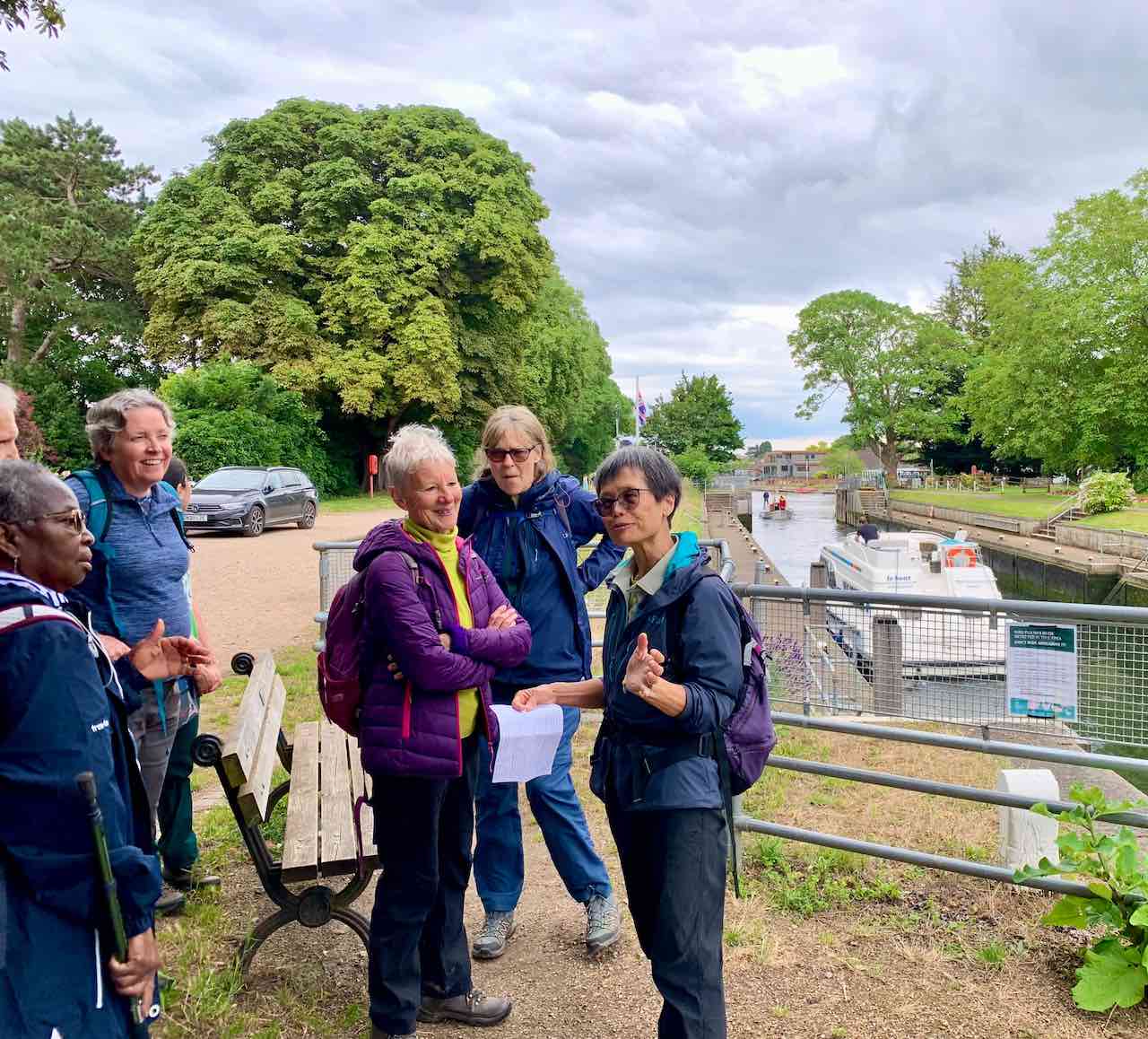
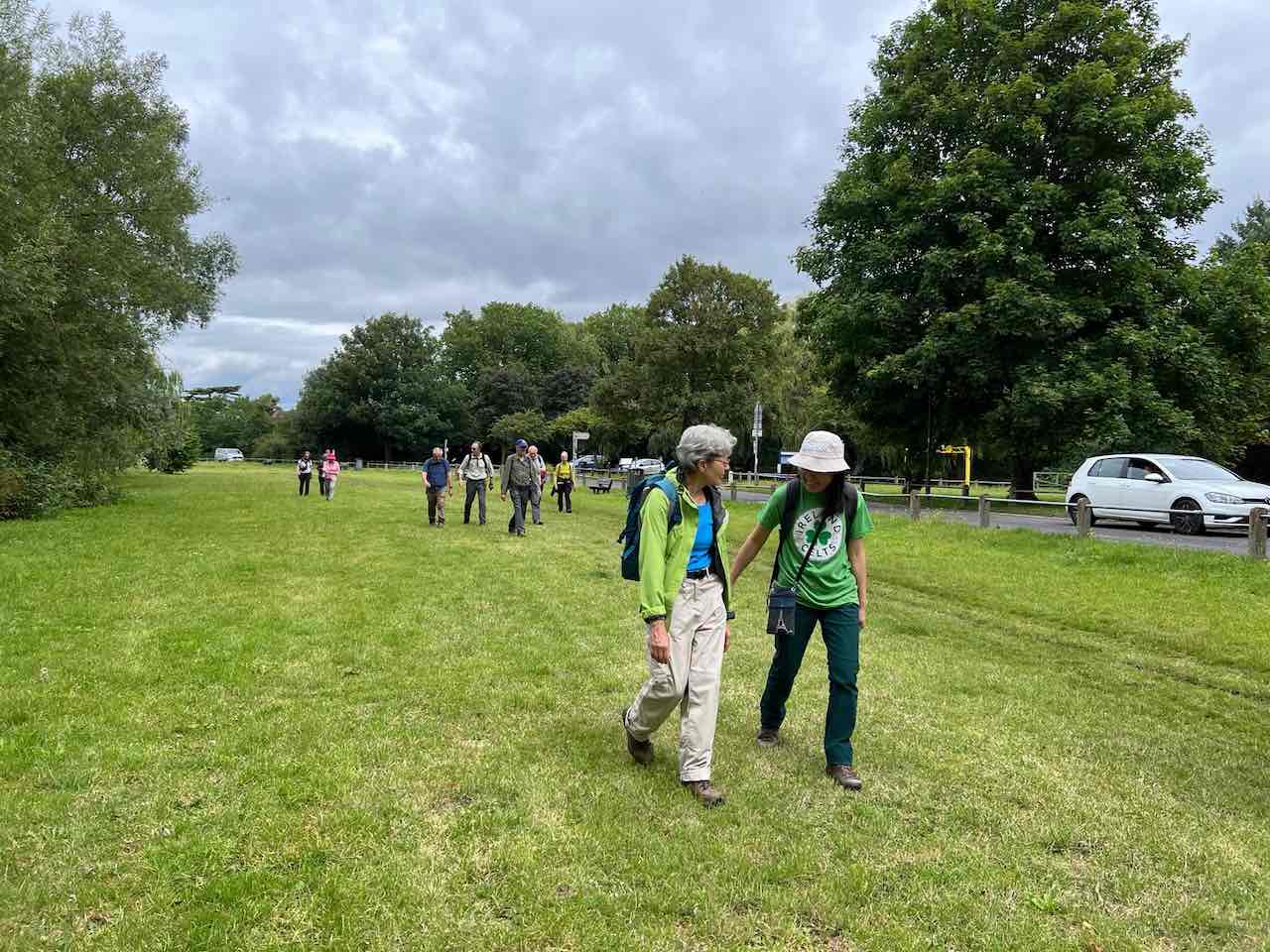
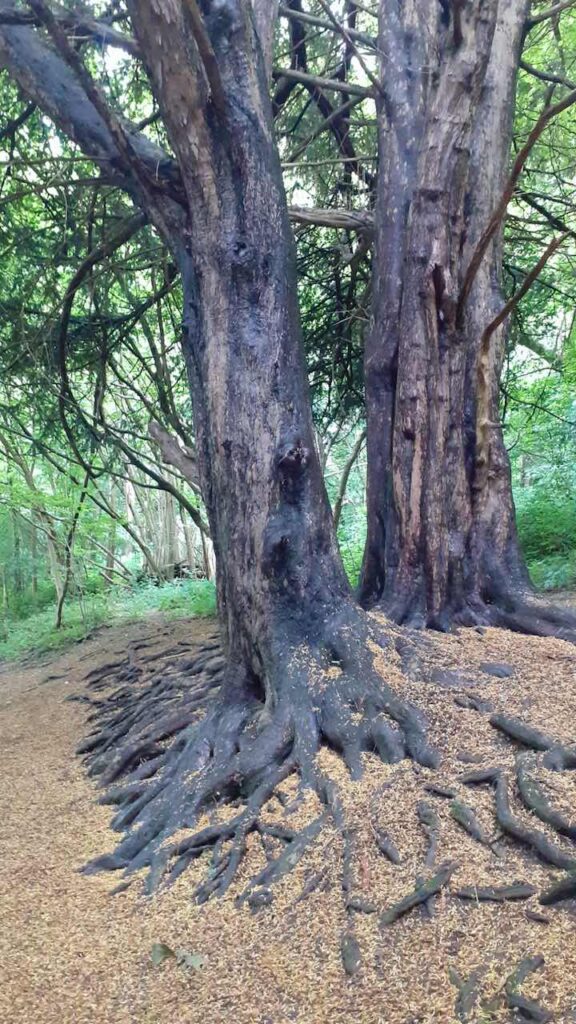
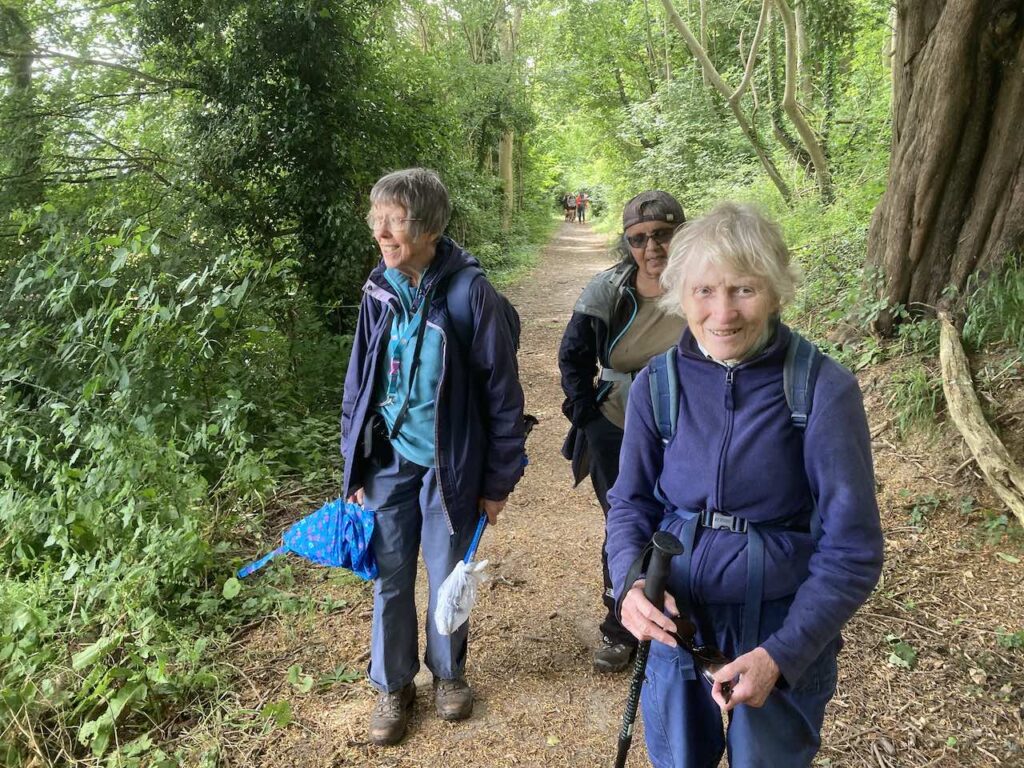
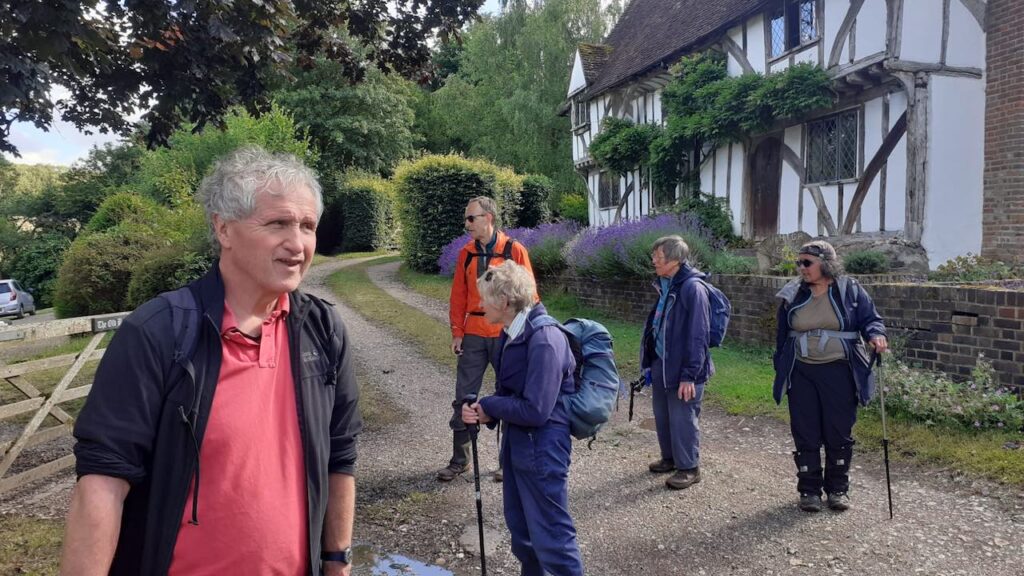
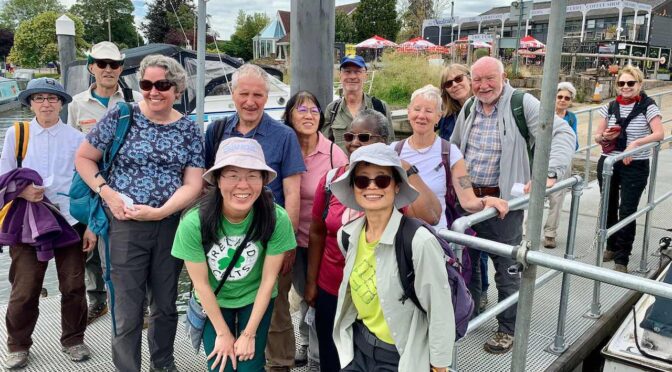
It was a good turn out for the revised walk. Fourteen Polyramblers met outside Staines railway  station and walked to the Staines Obelisk No.87 Coal Tax post,  marking the mid 18th century  boundary of the City of London. 

After half an hour along the Thames Path, the group arrived at the wildlife filled Penton Hook Lock & Island. We walked over the weir to the island. The area is now managed by the Environment Agency to protect wildlife. Fish can travel upstream to spawn via a special channel which bypasses the weir. The Salmon Ladder opened in 1995 linking Teddington to the upstream reaches of the Thames. There were lots of different birds singing when we passed through the island. 

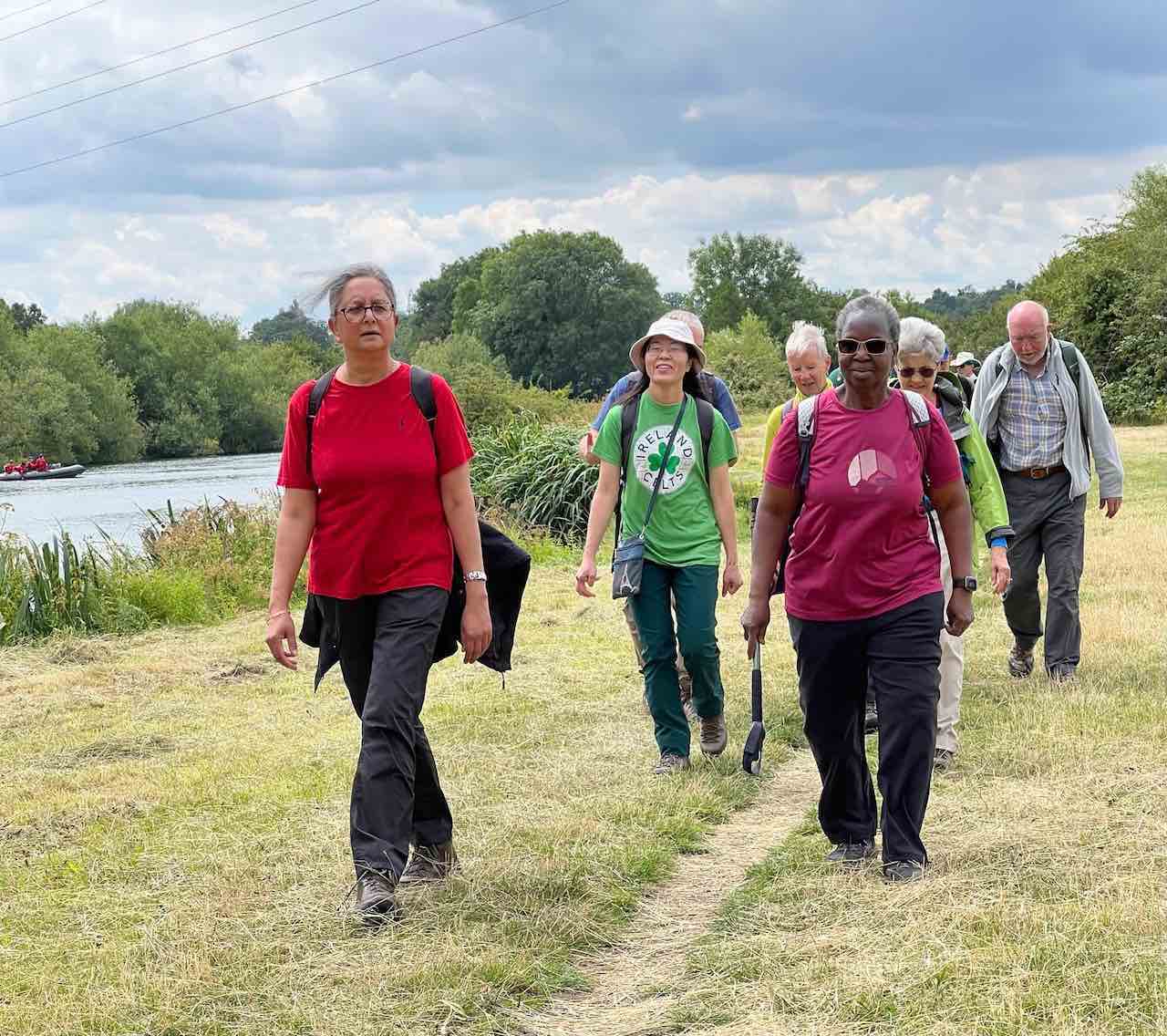
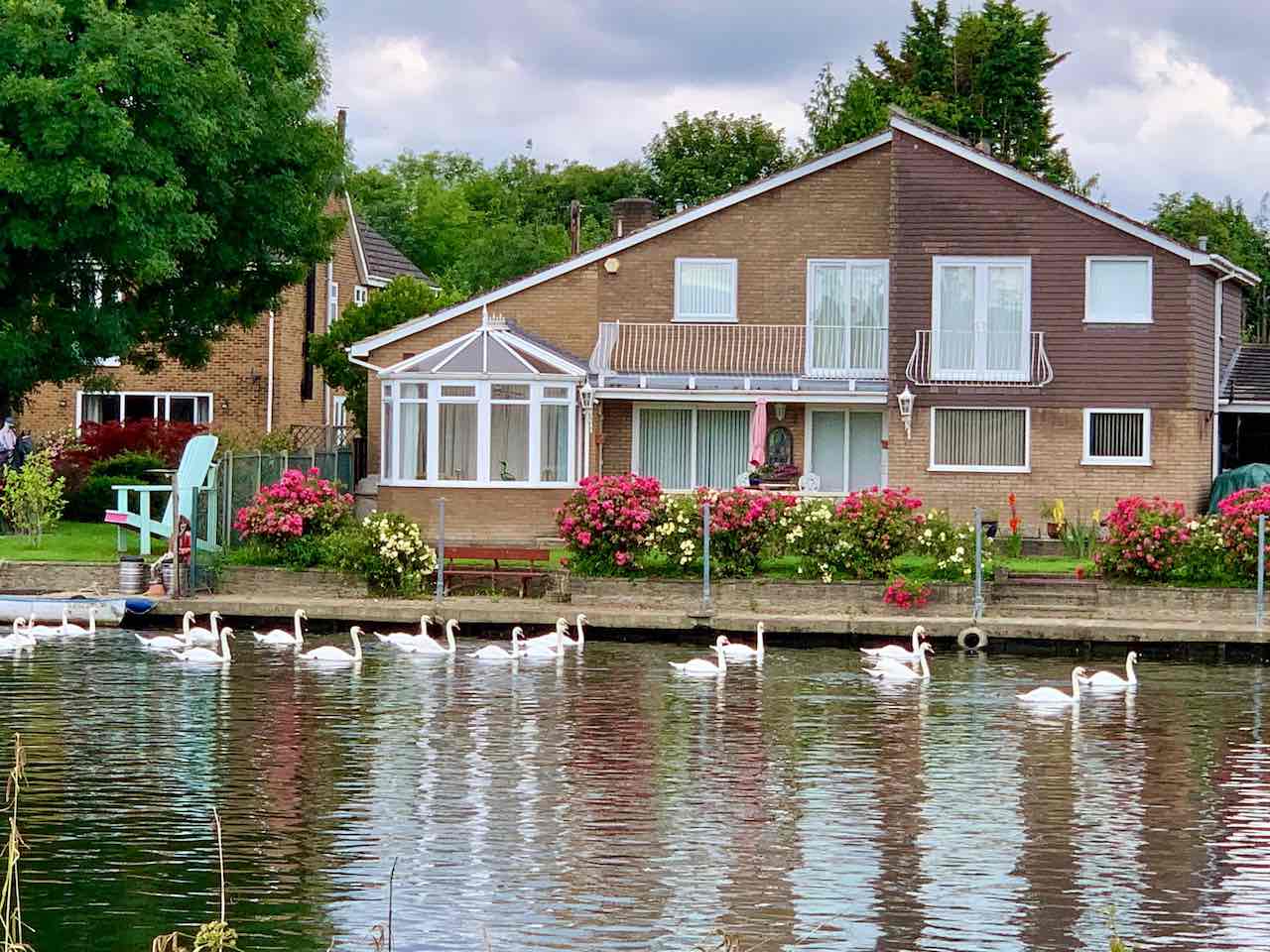
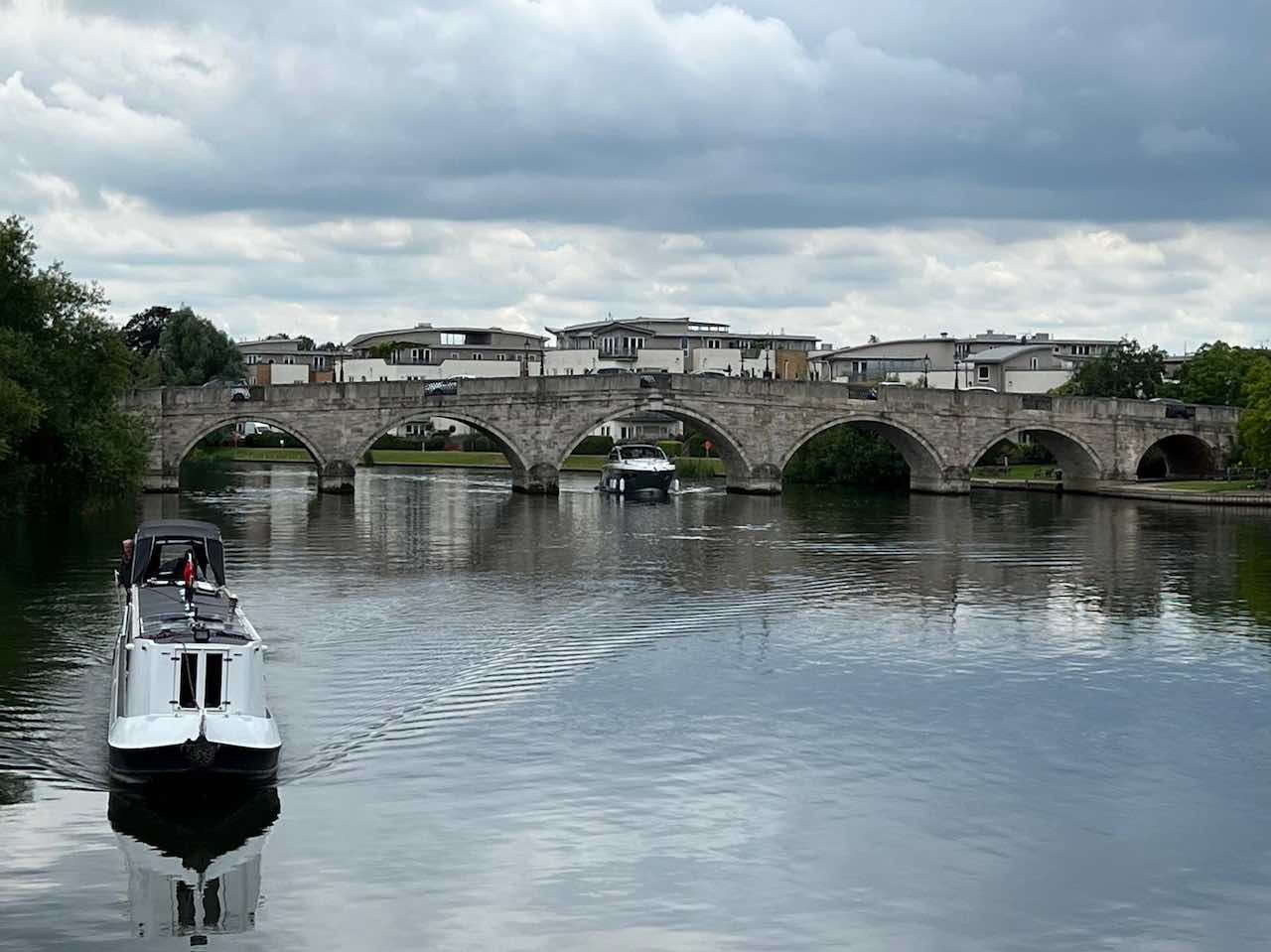
After a short stop for water and snacks, we continued along the towpath for another two miles. We saw a large number of swans, water birds and ducks in the river. We briefly stopped near Laleham Park to learn about the wildlife and birds in the area. Soon we passed the Chertsey Lock and Chertsey Bridge (which has a high water mark showing the level of flooding in 1947). Then we entered Dumpsey Mead, an improved grassland Site of Special Scientific Interest, for a short break. There were some interesting houseboats in the private Ryepeck Meadow Moorings area. According to Bradts Travel Guide both Dylan Thomas and Viv Stanshall once lived on houseboats at Chertsey. 

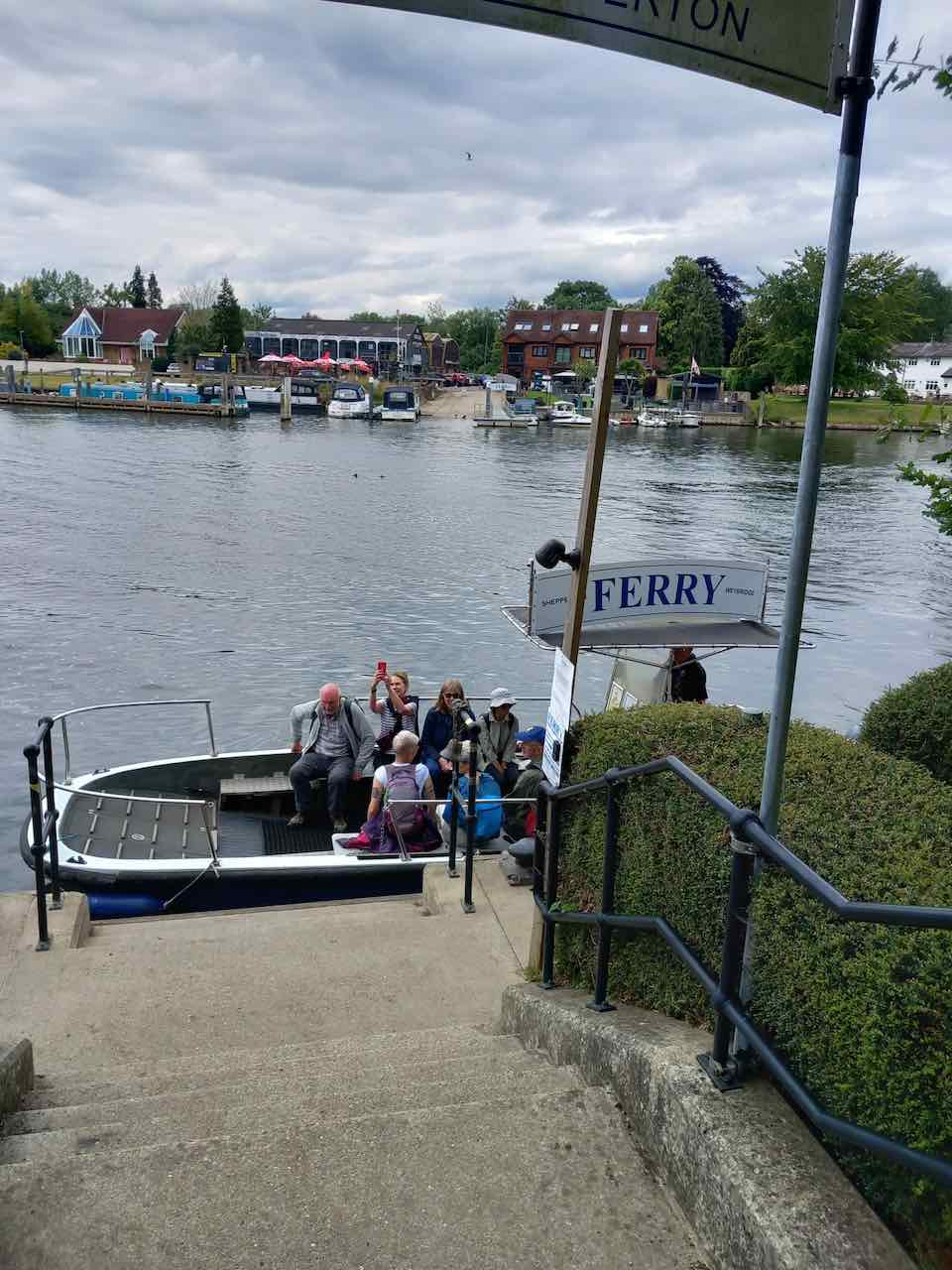
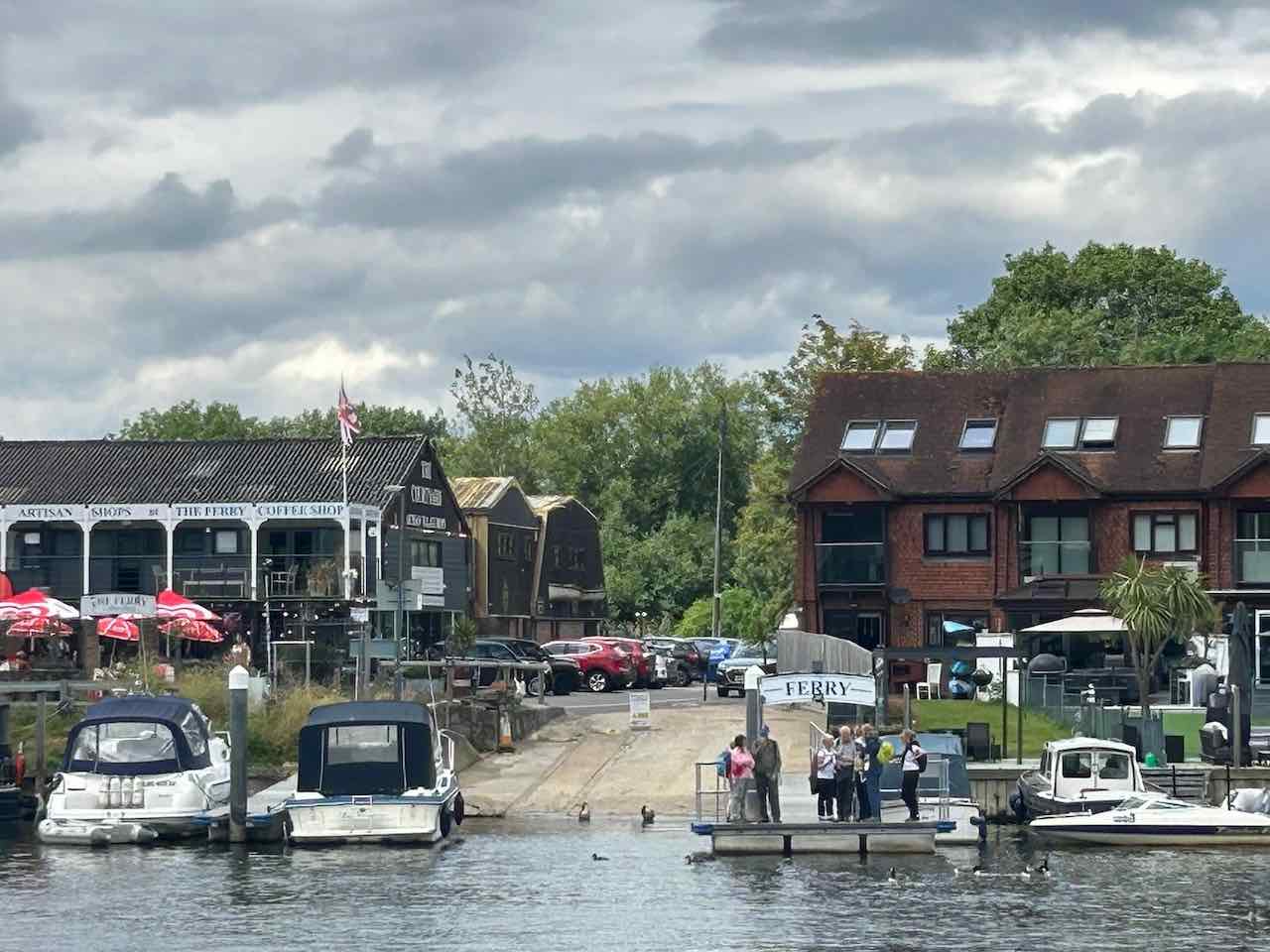
We reached the third lock of this walk, the Shepperton Lock. Some had a lovely lunch in the Ferry Cafe and some had a picnic nearby. I am glad that no one dropped out at Shepperton and everyone took the  oldest Thames river ferry crossing to the Weybridge side. 

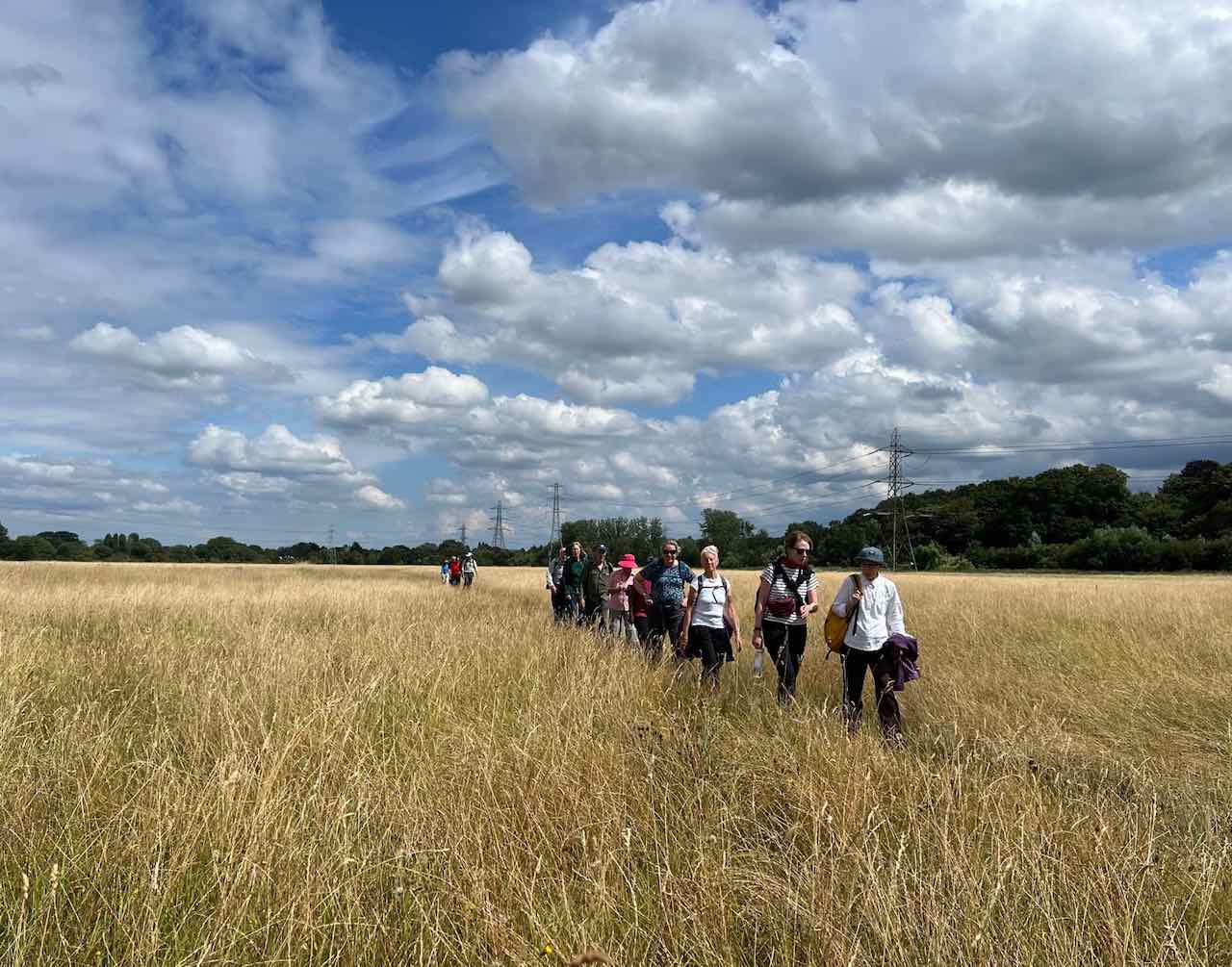
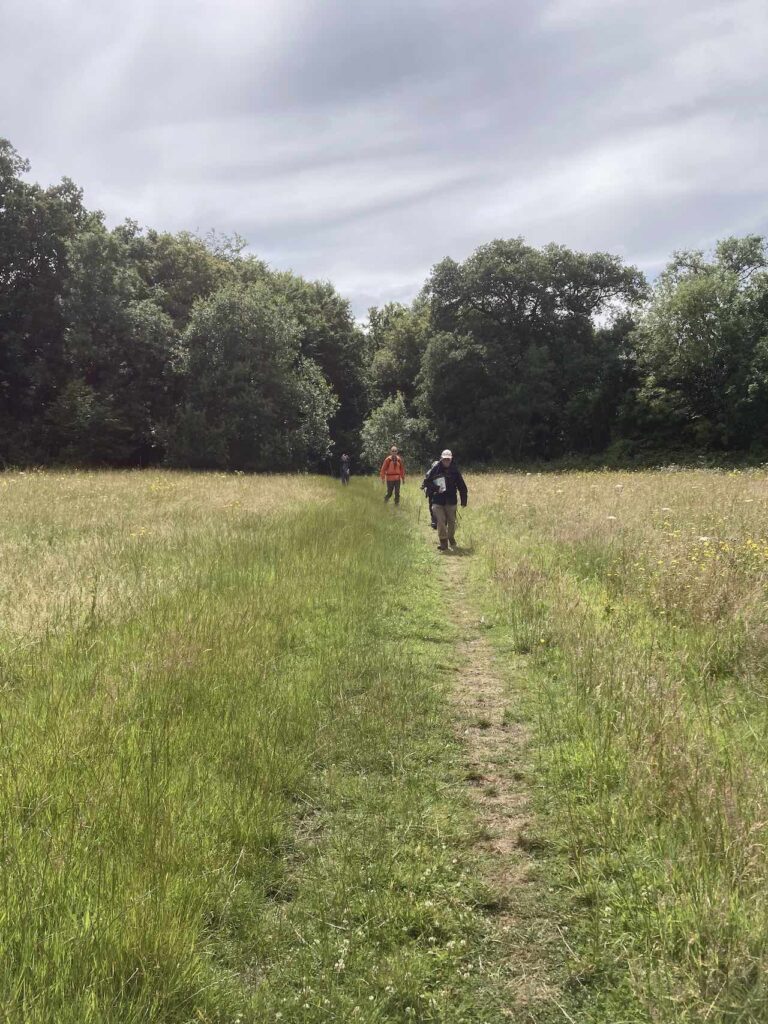
We then followed the Church Walk to the oldest Wey Navigation System (now managed by National Trust). After a short walk along a beautiful stretch of the river Wey, the group finally entered the southern edge of Chertsey Mead. We walked through the fresh and open fields. It was fantastic that the whole group completed the longer revised route, a total of nine miles. Overall, this route included four river locks, two meadows, a bridge and a weir plus the oldest river ferry crossing and the oldest canal navigation system. Not bad for one day out! 

Ida

Photos from Ida, Lan, Nita and others.


ALONG THE NORTH DOWNS WAY(NDW) FROM WROTHAM TO MEDWAY BRIDGE (Bekkusdunnet) – 6th JULY 2024

This walk which I measured as 12 miles,(but felt more like 13 miles!), repeats most of the ramble performed by Polyramblers back in July 1985, some 39 years earlier, less 1 day. But instead of starting from Otford, as we did in 1985, I shortened it slightly to start from Borough Green station ending at Cuxton, near the Medway Bridges.  I now say Bridges as, since 2003 a second bridge has been built beside the M2 bridge,  which carries the HS1 railway towards Ashford.  
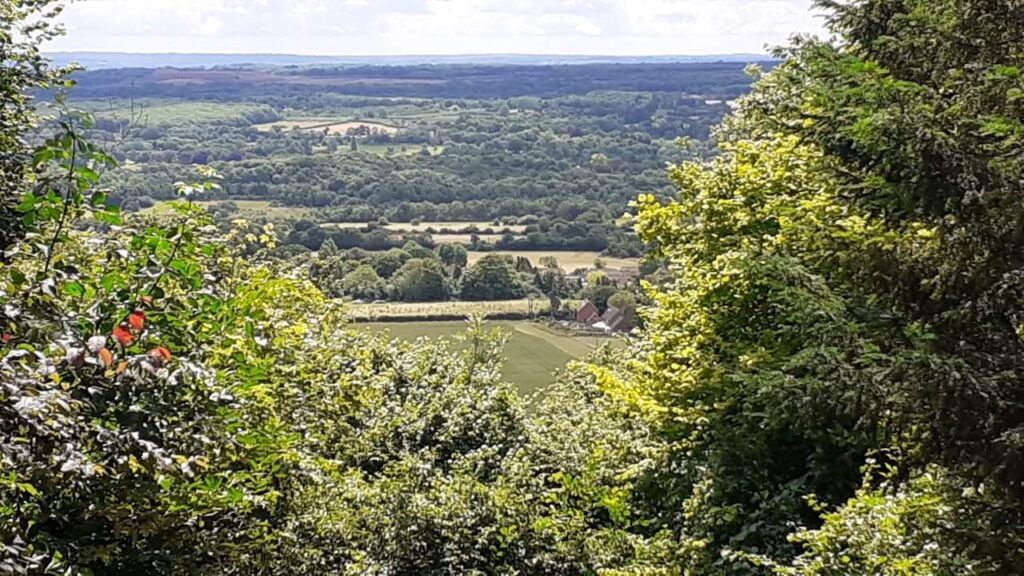
Six Polyramblers gathered off the train at Borough Green & Wrotham station. Unusually a smaller group than in 1985.  After road walking into Wrotham village, we picked up the NDW in the far corner of a playing field. This suddenly led us to the A20 where we immediately crossed over the M20 to a roundabout. We proceeded along a lane then a path. So far, this had been a gradual climb, and by now views on our right were opening up across the High Weald. After another mile we climbed through Hognore Wood on the slope of the Downs, until this National Trail led us up to Trosley Country Park on the hills above Trottiscliffe(Pam advised pronounced Troesley) village.  A forest path ensued, taking us north-eastwards with the odd amusement siding, one of which was a hidden orchestra pit containing several  outdoor percussion instruments for the joy of children and a few Polys in my party!!  Soon we reached Vigo Village and the green outside ‘The Villager’ PH, where we sat on benches to eat our picnics.  Weather was cool and blowy, so some of us went inside to buy a hot drink which we drank on their patio.  Virtually no customers, the publican assured me that due to the pending Euros England soccer match, they were currently at home with their families and would come here  to watch it this afternoon. 

As we set off from the pub we continued through Great Wood, still affording views to the South, until a right turn sent us steeply down the escarpment to the lower Pilgrims Way,  where we came across a group of Surrey ramblers from West Horsley undertaking that route from Winchester to Canterbury in stages.  We then had to reclimb the escarpment into Whitehorse Wood to reach White Horse Road at Holly Hill Lodge.  Meanwhile, a noisy group of cyclists negotiated the road junction before we proceeded.  Views opened up across the Medway Valley.  After half a mile of lane, we proceeded into Great Park Wood, our route now swinging northwards,  then across some fields and into Horseholders Wood,  famed for what happened there when Polys did the ramble in 1985!  At a place in the centre of this wood I found a spot to stop the party and do a speech to explain that  whilst  rambling through this wood in 1985, the Wimbledon Single Men’s final, followed on the radio,  had suddenly reached its Championship Point,  causing a cry from that party of “Becker’s Done It“.  Since then, Boris Becker became (in)famous.  As you can see, I’ve given this ramble a pseudo-latin name of “bekkusdunnet” as a reminder of 1985!

Anyhow, back to 2024. From Horseholders Wood, we proceeded through Pastead Wood, Wingate Wood, across an open valley into North Wood,  thence northwards through the pretty hamlet of Upper Bush, until we reached the road taking us into Cuxton and its station, situated on the Medway Valley line.  We were in good time for 17.45 train to Strood, as I anticipated we might not finish before 18.30.  With some train jiggery pokery including 2 changes, within 25 minutes I got us onto a fast train from Rochester to Victoria where we arrived before 18.50. 

The party enjoyed the views during the day and this is a lovely walk with long wooded stretches.

Geoffrey Waters

Photos by Geoffrey, Chris and Pam

GREEN LONDON WAY PART 4: WOOLWICH TO GREENWICH – 15th May 2024

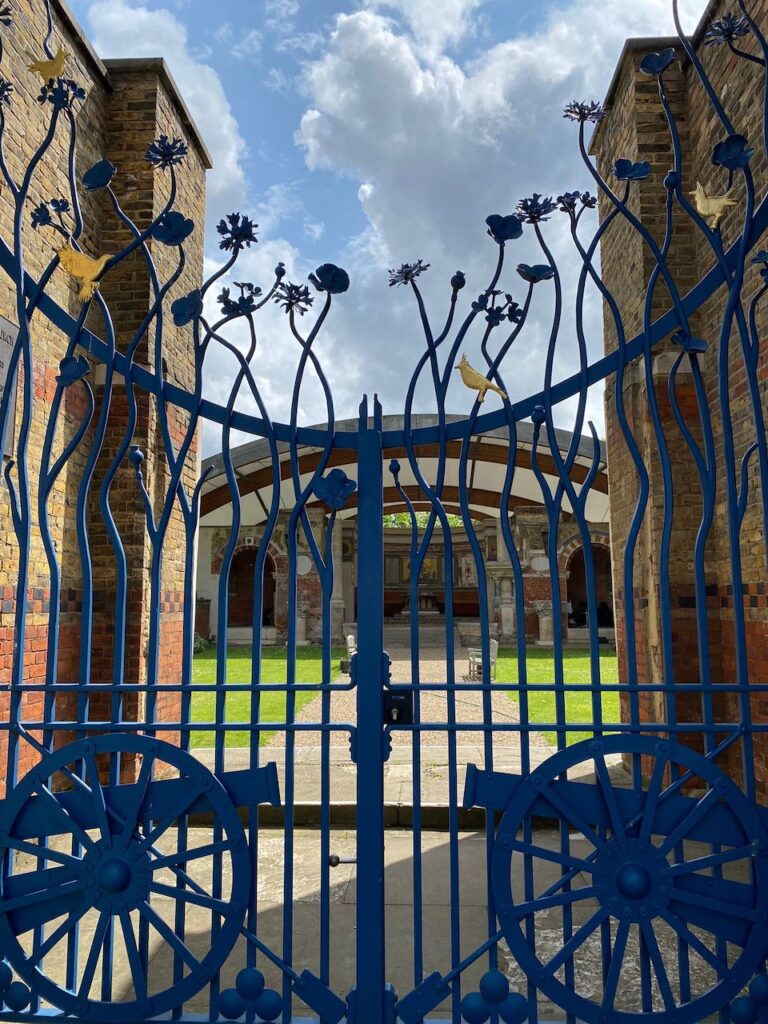
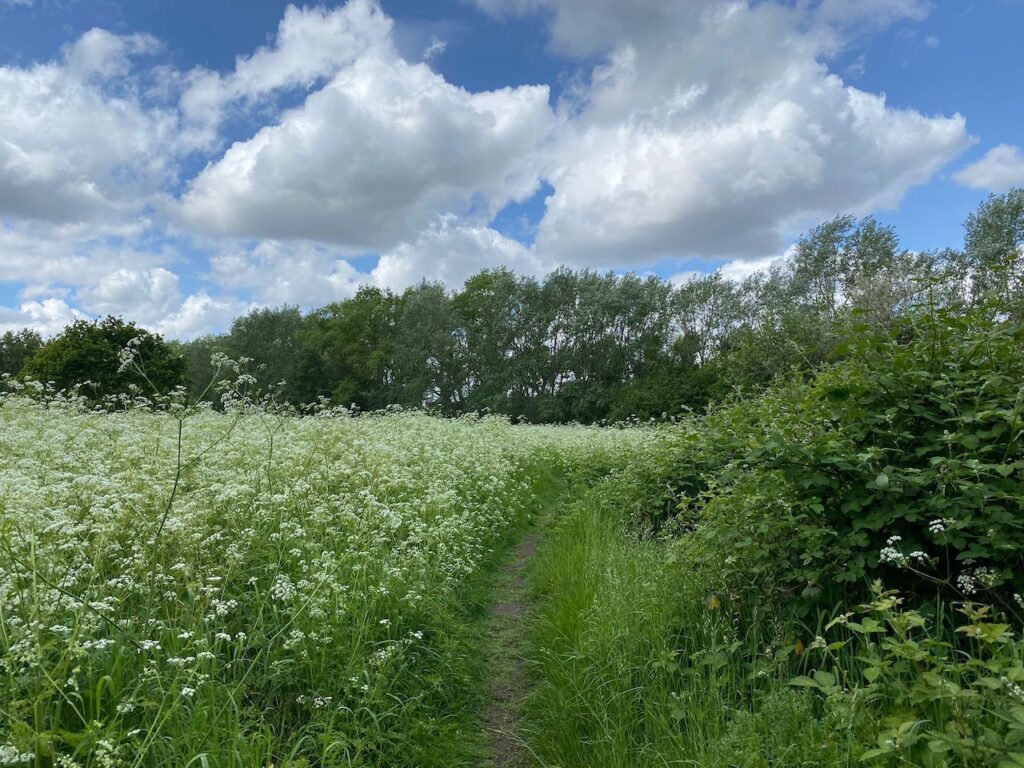
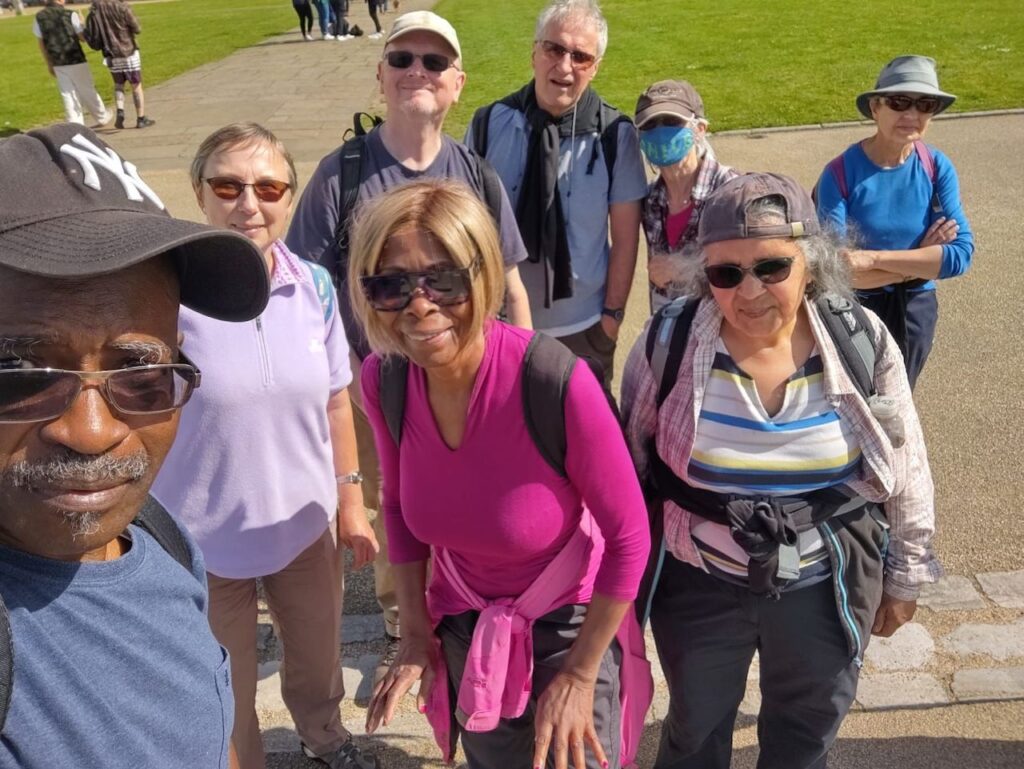
It was a sunny day when 9 Polyramblers met at the Elizabeth Line Woolwich station. We walked up to Woolwich Common, passing St George’s Garrison Church which was bombed during the Second World War. The beautiful mosaics have been restored and are protected from the elements by a canopy roof. We crossed the common which was covered with Queen Anne’s Lace (am I right, Kim?) as far as the eyes could see.

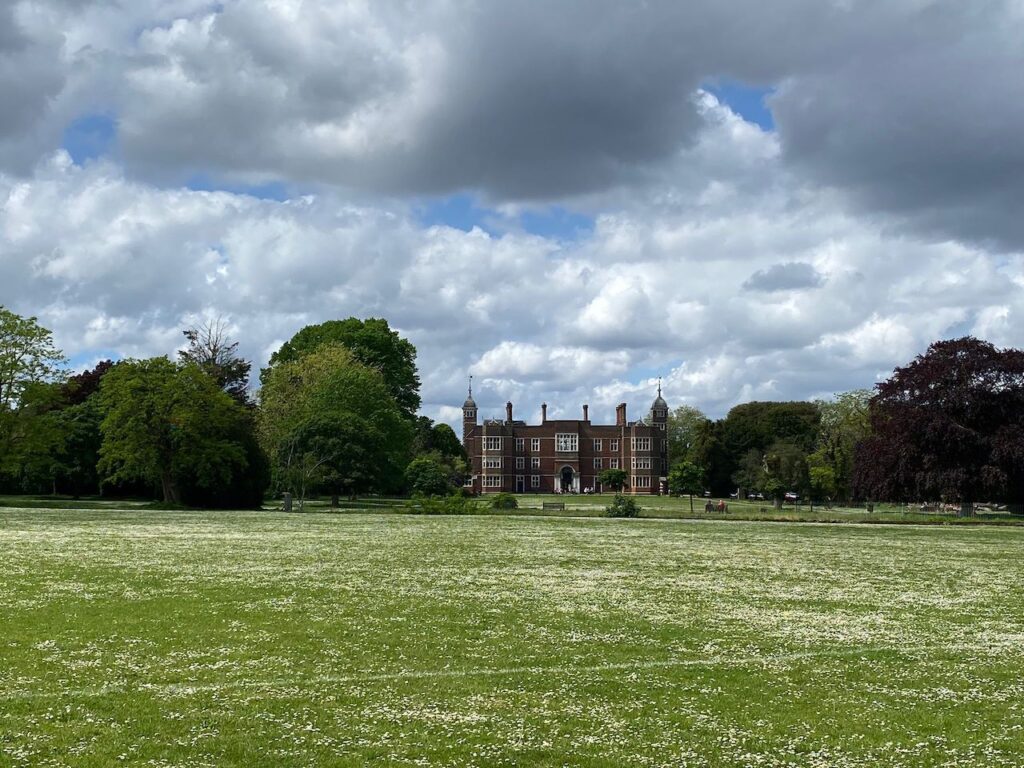
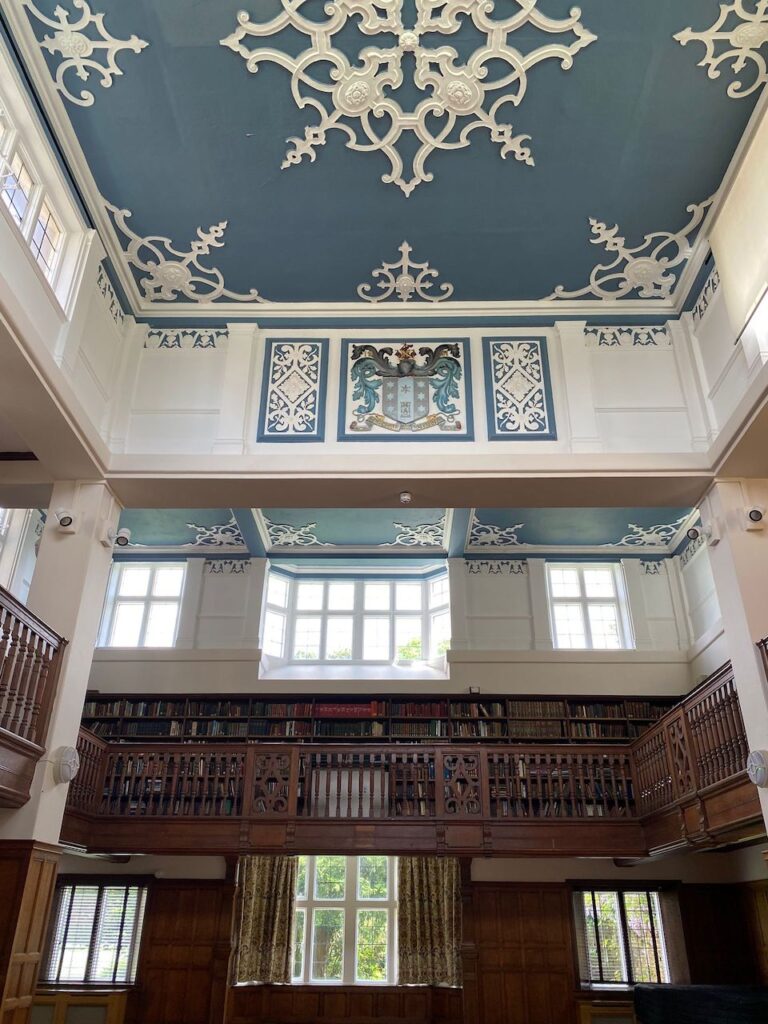
After Hornfair Park, we arrived in Charlton Park. We had lunch in the sun on the terrace of Charlton House, one of the finest Jacobean houses in the country. Geoffrey used to go to the library there but it is now a venue for different events. We had a look at a small exhibition on saris and sneaked a glance at the beautiful room which served as a library. 

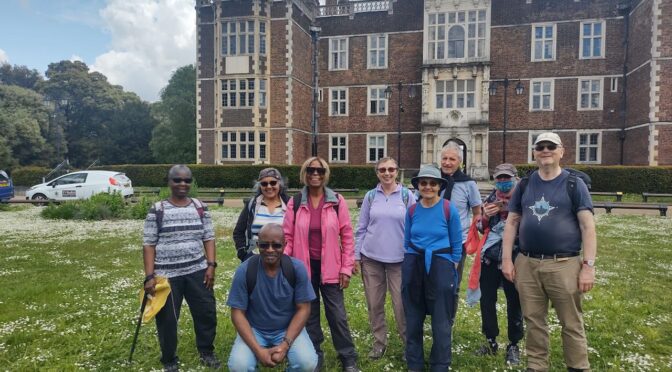
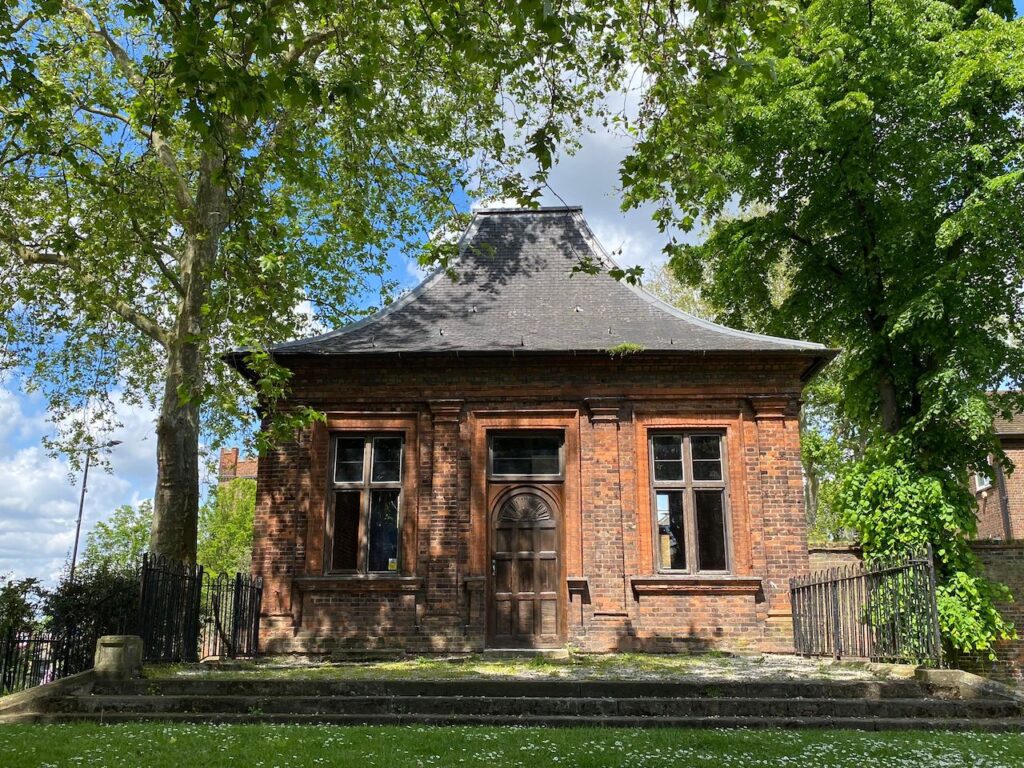
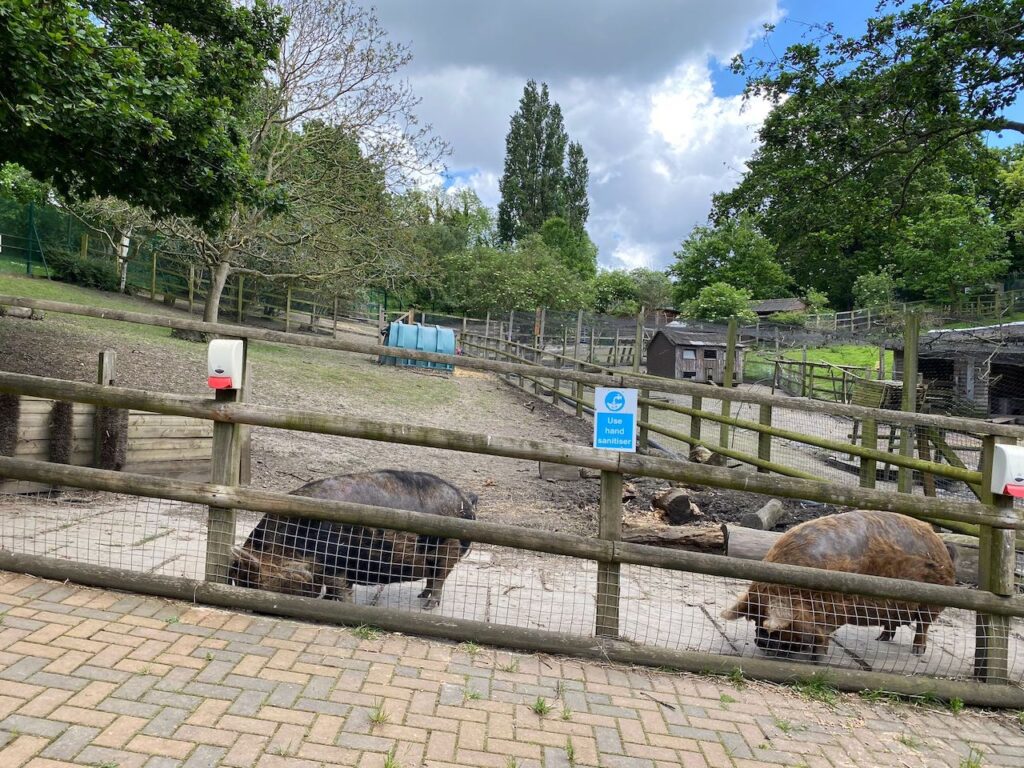
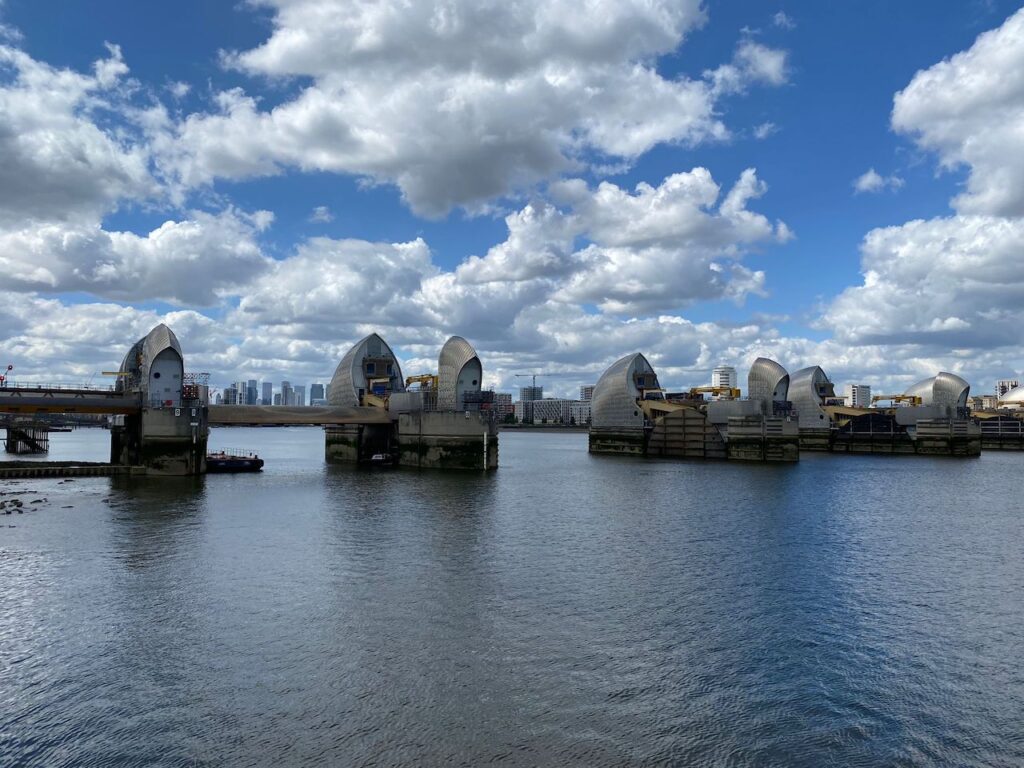
After lunch and a group photo, we passed what was formerly a summer house and is the only part of the Charlton buildings attributable to Inigo Jones. The Borough Council converted it into public toilets in 1936. Geoffrey remembers when the building was a public toilet. It is now unused and empty. Then, we walked through Charlton village, went back to Charlton Park and crossed into Maryon-Wilson Park. The Maryon-Wilson family used to own Charlton House but sold it to Greenwich Borough Council. It’s a nice park with animal enclosures (sheep, pigs and poultry). We continued through Maryon Park and up and down Cox Mount (89 ft) to the Thames Barrier. We followed the Thames, first through a tunnel under the Barrier buildings, then along industrial estates and newly built flats.

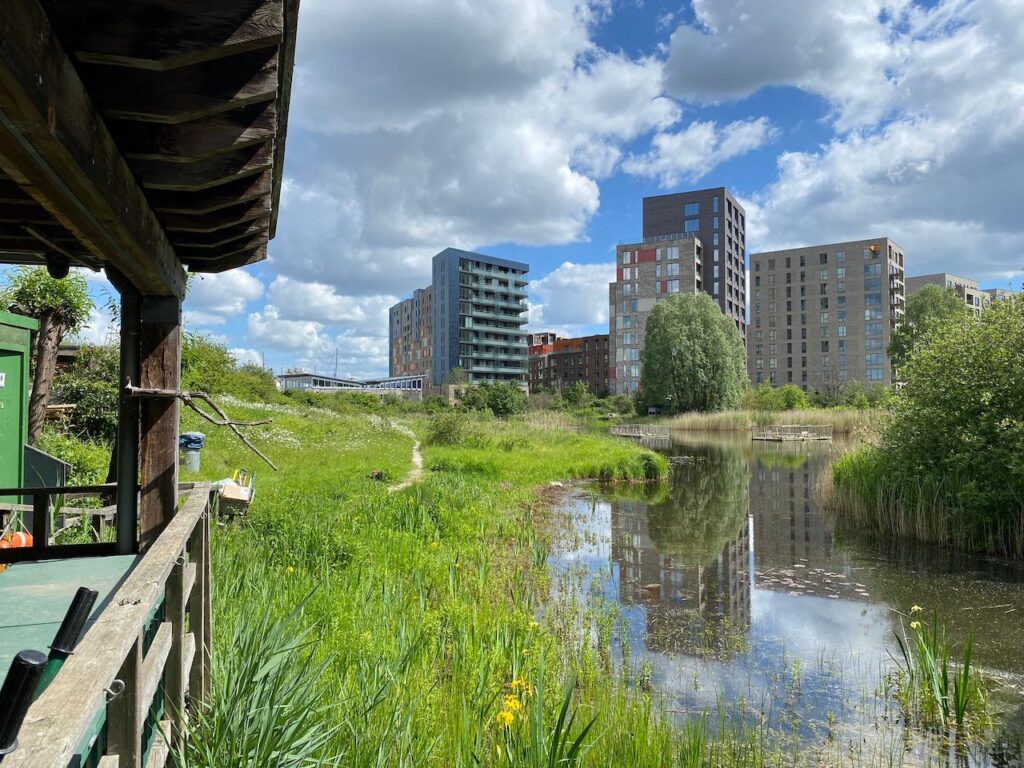
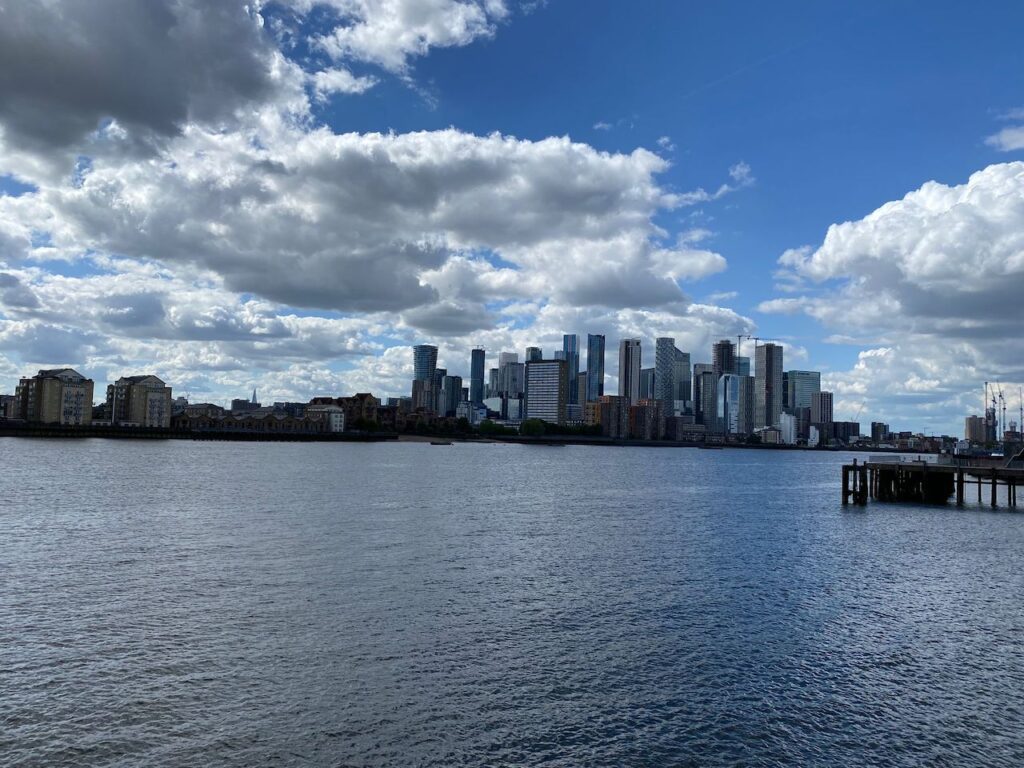
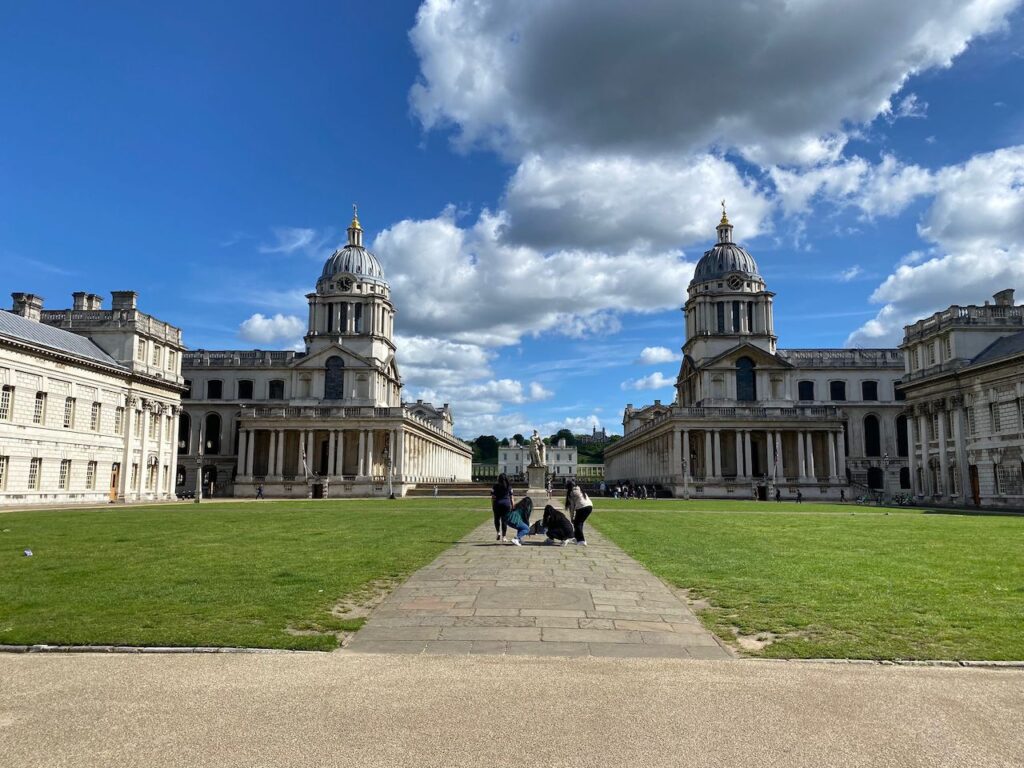
In the middle of all this is the Greenwich Peninsula Ecology Park, a small oasis with a lake and a visitor centre. We stopped there for a rest and to have a look at the birds from one of the hides. We then crossed the Greenwich Peninsula going above the Blackwall Tunnel Southern Approach – better forget this part of the walk which, although not very pleasant, is thankfully short. The last part of the walk was towards Greenwich with, at first, newly built flats, then Greenwich Power Station built in 1906, The Trinity Hospital which is being renovated, Crane Street and the Trafalgar Tavern and, finally, the Royal Naval College buildings, the Cutty Sark and the end of the walk.

Dominique

Manningtree Circular – May 18th 2024

The BBC had forecast that there would be rain in the morning but the rain had arrived very early and by the time 19 ramblers assembled outside Manningtree station the clouds had rolled back and the sun was shining.  We were lucky that it remained dry and sunny all day.  

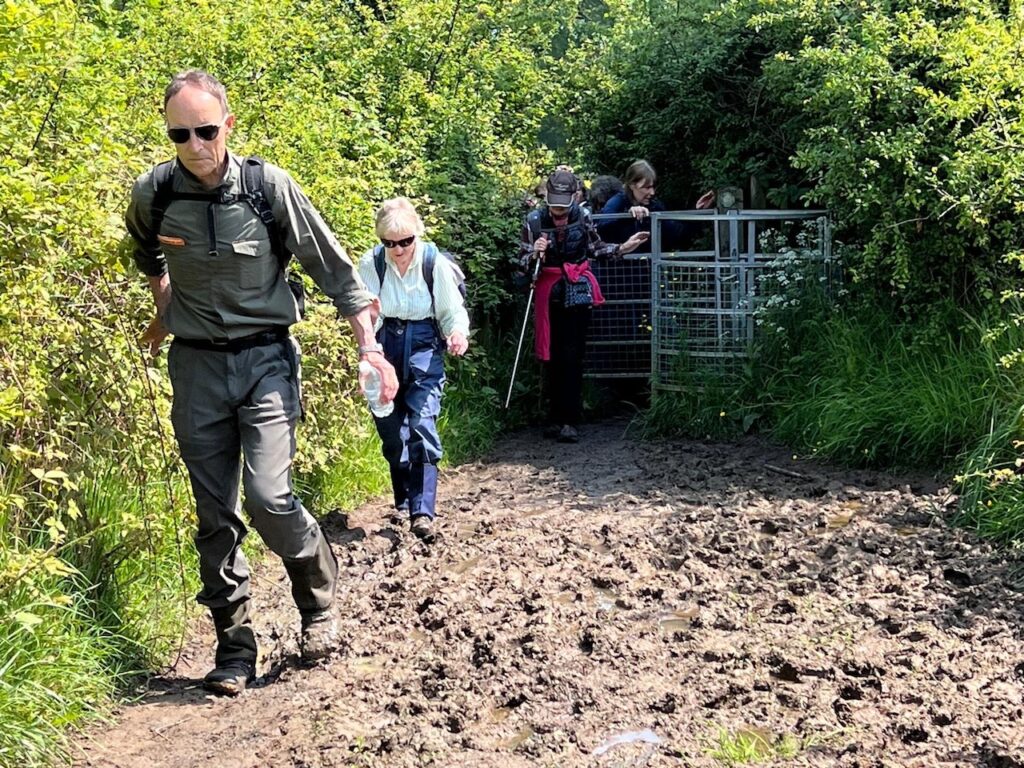
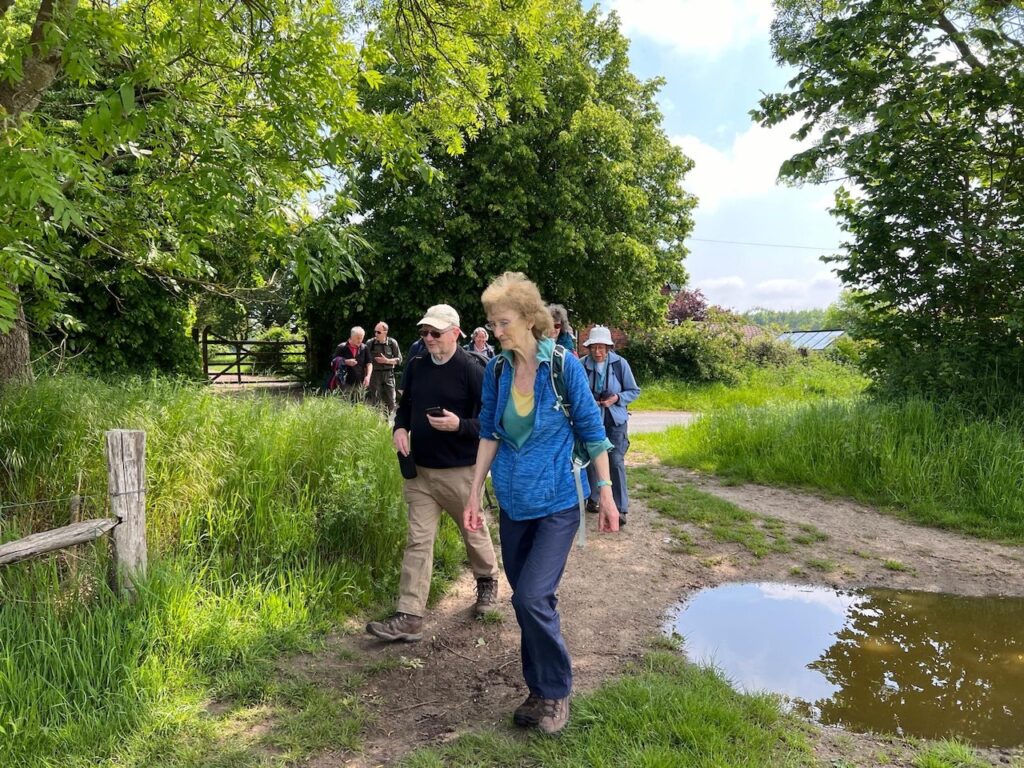
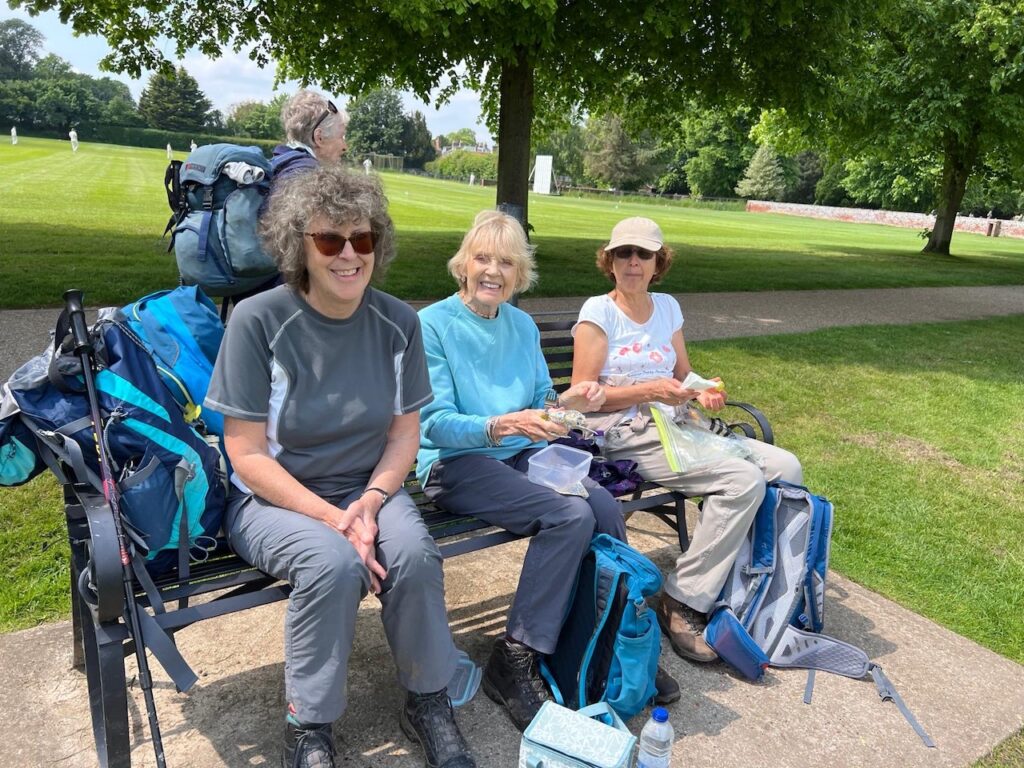
After the briefing we set out.  The walk in its entirety was relatively flat and there were mud and puddles in only a few places which was not as bad as I had feared.   We walked through lovely quiet spring countryside and sometimes all we could hear was the sound of birds in full song.  We came to the pretty village of Dedham with its brightly coloured houses where we stopped for lunch, with those who had brought a packed lunch sitting in a nearby park watching the local team play cricket and a small group of poly’s eating at a café in the Arts and Craft Centre.  

After lunch we made our way out of the village until our path turned off the road and across fields towards the village of Stratford St Mary.  There was an ominous sign saying ‘Beware of the Bull’ on the stile entering the field.  There was no sign of a bull or any cattle, so we decided to cross the field.  Then in the distance we saw cattle in a field beyond that we would have to pass through.  It was clear as we got close that there was a large number of cows and some young animals which always makes me wary.  However, as they were some distance from us we decided to venture across the field keeping close to its edge and in quiet single file so that we did not excite them.  Thankfully we managed to get everyone across safely and it was only when I looked back that I spotted a large bull amongst the herd.  I might not have been quite so confident about leading the group into that field if I had seen him.  

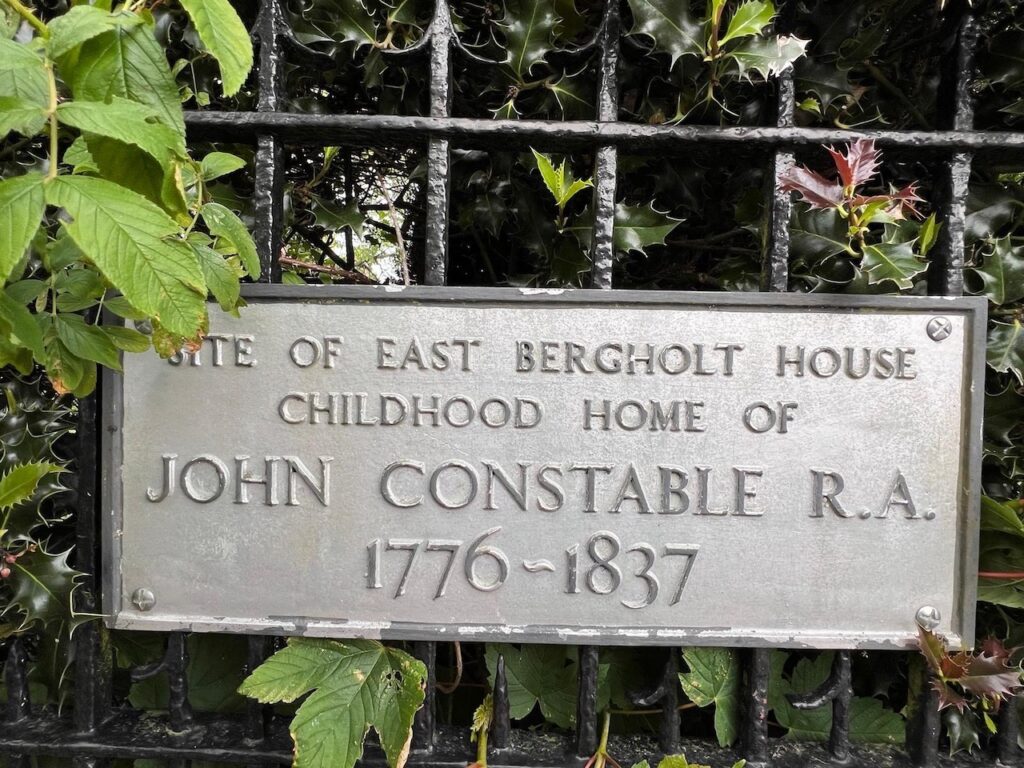
Our peaceful walk was soon shattered by the drone of traffic on the A12 which we passed very close to, but this soon faded as we struck out across ploughed fields in the direction of the village of East Bergholt where the eighteenth century English painter John Constable was born and brought up.  Although Constable spent much of his time in London, he always returned to the Stour valley to paint and many of his iconic landscape paintings are of scenes from this area.

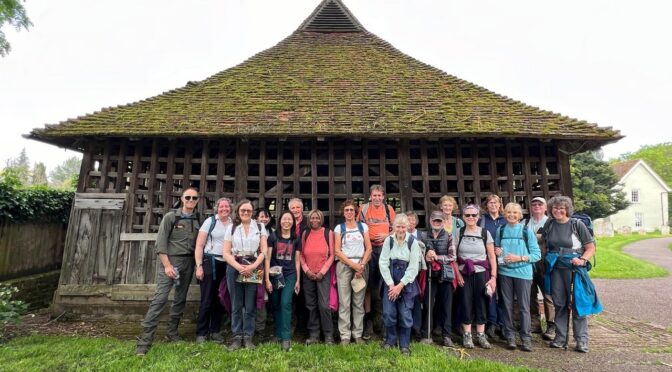
Whilst in East Bergholt we went to look at the church and, in the churchyard, the Bell cage built in 1531 to house the church bells as a temporary measure whilst the tower was being rebuilt.  It became a permanent structure and houses the heaviest peal of five bells in the country which are still rung by a team of ringers for special occasions.  

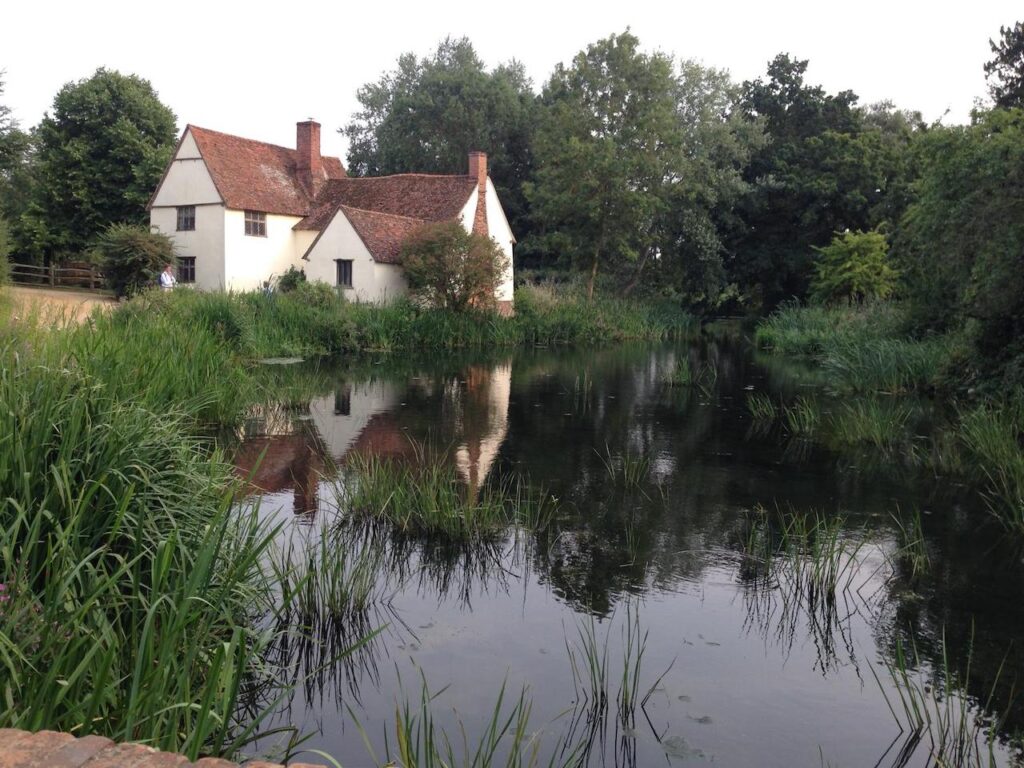
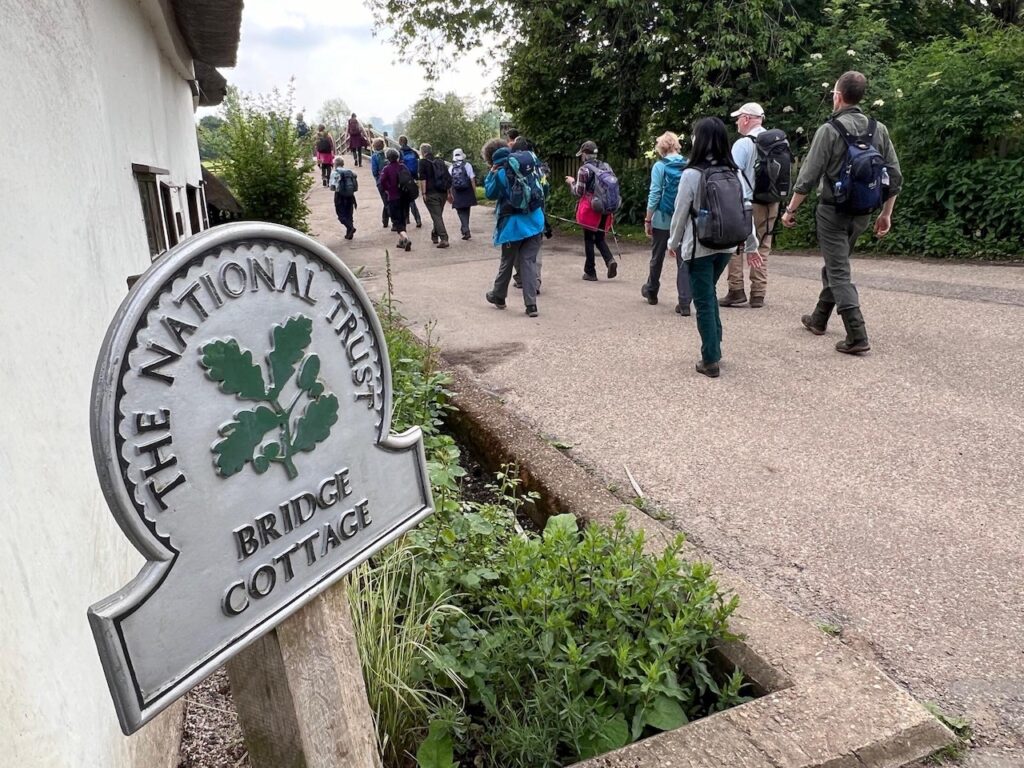
It was a short walk from East Bergholt to Flatford Mill, the scene of John Constable’s most famous painting, The Haywain, where we saw the old mill and Willy Lot’s cottage.  The old mill is now a field study centre, and the National Trust have a very nice tea room where we stopped and had refreshments in the garden next to the river.  

From Flatford Mill it was a short walk across water meadows bordering the Stour that were full of birdsong, back to Manningtree station where the train for London was already waiting.  Thankfully the guard held up the train to allow us to all embark before the train left for London.  

Mary K

Photos by Ida, Mary and Chris